
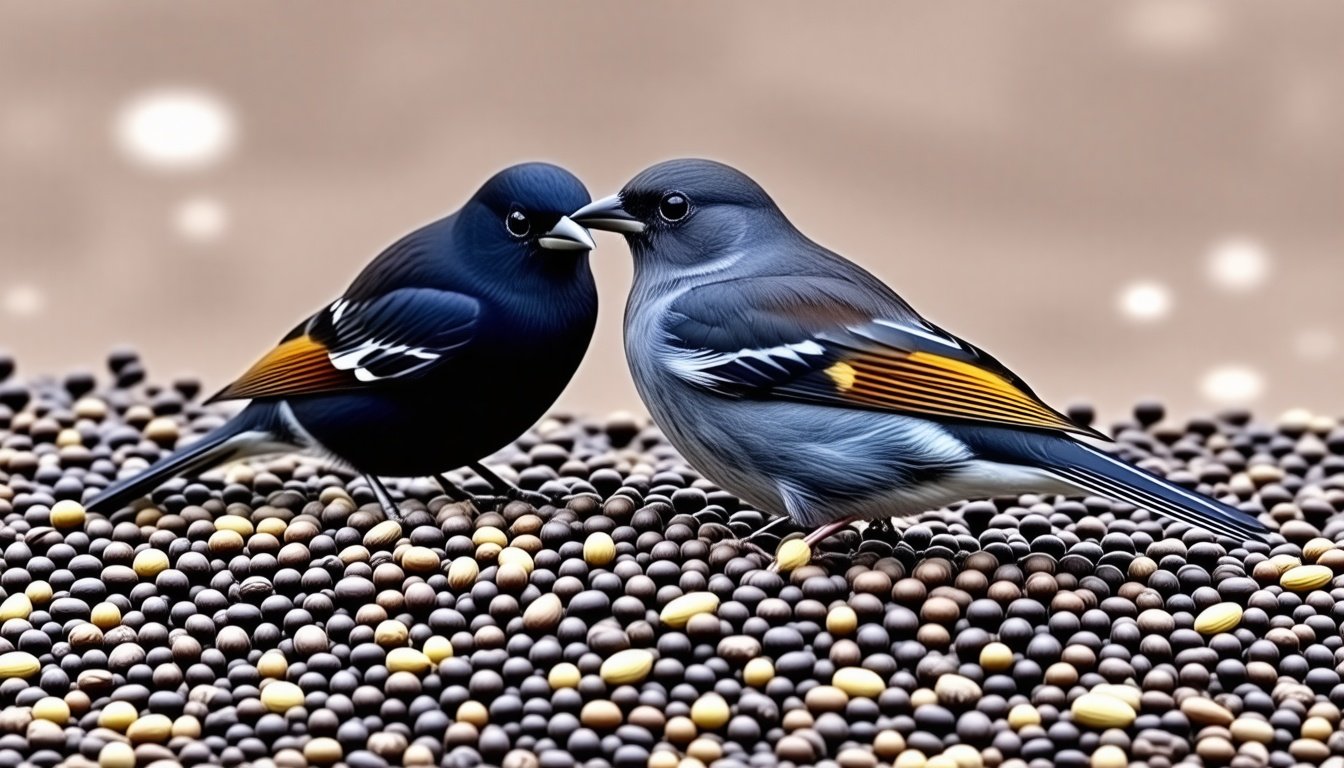
There is something about late fall that slows the world down, even if it is only a drizzle or cold breeze whispering through bare branches. It is a quiet signal, a gentle nudge, telling all living creatures to brace themselves for winter’s chill. But for those of us who love watching our feathered visitors, this time of year feels like a secret handshake between us and the birds. We know what is coming: colder days, scarcer natural food, and longer, darker nights. And because we care—as any bird lover does—we try to do a little more, give a little extra. That is why I switch to high-fat seeds in late fall. Not right now, not in summer, but when the earth seems to hold its breath and the birds’ needs start changing.
If you have ever put out bird food in your backyard, you know the usual routine. Sunflower seeds, millet, maybe some cracked corn for variety. But come late fall, I reach for something richer, denser, and yes—greasier. Those high-fat seeds might look like little nuggets of bird treasure, but they are much more than that. They are like tiny batteries, packing an energy punch to keep birds warm and alive through the cold months ahead.
Why Fat Matters When Things Get Frosty
We humans think about fat in a very complicated way, often associating it with unhealthy things. But for birds? Fat is survival. It is their fuel, their winter coat, their emergency blanket. When temperatures drop, birds do not just need more food; they need the right kind of food. They need something that gives them quick, long-lasting energy to stay warm and keep their little bodies going all day and night.
Think about it like this: if you had to hike up a mountain all day carrying groceries, you would want a good mix of snacks. Some fruits, nuts, maybe a sandwich. But if you knew you were going to be out there for hours in the freezing cold, you might grab some trail mix heavy on nuts and chocolate—dense with calories because your body needs that power to keep moving. Birds are no different.
Late fall is when their natural food sources start to dwindle. Insects disappear, berries dry up or are eaten, and seeds left on plants become scarce or covered by snow. Their bodies start to stack up fat reserves, and their feeding habits shift accordingly. If we can provide their food with extra fat, we help them build the energy stores they will need to survive longer nights when they cannot feed much at all.
What High-Fat Seeds Are We Talking About?
So, what kind of seeds should you reach for? Here is the good stuff:
- Sunflower Seeds (especially black oil sunflower): These little guys are a favorite of many birds, and with good reason. They are loaded with fat and have thin shells, making it easier for small birds to crack them open. Perfect energy boosters.
- Nyjer (thistle) Seeds: Tiny but mighty, these seeds are packed with oil and attract smaller birds like finches. They are an excellent high-fat option for late fall.
- Safflower Seeds: Slightly less oily but still rich, safflower seeds are excellent for cardinals, grosbeaks, and chickadees. They have thick shells and provide steady, slow-burning energy.
- Peanuts (shelled or in the shell): Peanuts are practically bird candy. Loaded with fat and protein, they are loved by jays, woodpeckers, and titmice. Just make sure they are unsalted and fresh.
If you have ever watched birds pecking through your feeders in cold weather, you might have noticed their hunger for these types of seeds. They are not picky; they know what works. And they are more than happy when you give them a little something special.
What About the Different Birds? Who Gets What and When?
Not every seed is for every bird. Each species has its own little tastes and talents when it comes to feeding. Switching to high-fat seeds in late fall means thinking about who is showing up in your yard and what they like best.
Chickadees and Nuthatches: Tiny Balls of Energy
These little birds zip around with endless energy, flitting through branches and peeling bark off trees like expert woodworkers. They love black oil sunflower seeds and safflower. For them, those high-fat seeds are not just snacks; they are life support. Their tiny bodies cannot store much fat, so they eat often. Offering high-fat seeds helps them fuel their rapid metabolism so they can keep warm and active.
Finches: The Thistle Fans
Goldfinches and house finches adore nyjer seed. It is skinny and oil-packed, perfect for their small beaks. During late fall, they flock to feeders loaded with nyjer, diving in headfirst. They seem to know that these seeds help them bulk up for the cold months.
Cardinals and Grosbeaks: The Bold and Beautiful
These birds have strong beaks fit for cracking safflower seeds. They are often a highlight of the feeder scene with their bright reds and dramatic markings. Safflower and sunflower seeds keep them fueled, and the extra fat lets them carry through chilly mornings.
Woodpeckers and Jays: Big Beaks, Big Appetite
Peanuts are the way to a woodpecker’s heart. These birds need a lot of energy to hammer at tree trunks and search for insects hidden beneath bark. Jays will also come running for peanuts and larger seeds. The high fat and protein content in peanuts get these big personalities through cold spells without missing a beat.
How I Make the Switch Without Freaking Out the Birds
When you suddenly swap out the usual snack for something richer, some birds can get suspicious. You might see a few confused looks or even some hesitation. It is like if someone showed up at your favorite pizza place and they were suddenly serving gourmet sushi instead. You would blink a few times, wonder what happened to your pepperoni, and maybe give it a try later.
That is normal. Birds learn quickly, but they also stick to what works. When I switch to high-fat seeds in late fall, I do it gently:
- Start slow. I mix a few new seeds into the old mix before moving to a full switch.
- Keep it fresh. Especially with oil-rich seeds, freshness is key. Old seeds go rancid and birds can tell.
- Use a variety of feeders. Some birds prefer platform feeders; others like tube or suet feeders. Changing feeders can help accommodate different species’ preferences.
- Observe and adjust. I watch who shows up and what they like. If a certain seed is ignored for days, I swap it out or add another.
The birds are incredibly adaptable and will figure it out. Plus, with fewer natural resources available, they will come around and appreciate the energy boost.
Why Late Fall? Why Not Earlier or Later?
It all comes down to timing. If you start too early, you might attract birds when they do not need that much energy boost. That can actually cause problems, like disrupting their natural molting or migration patterns. And if you wait too long, you miss the chance to help them build up fat reserves gradually, leaving birds with a tougher time when the cold really sets in.
Late fall feels just right. The days are shorter, the nights colder, and plants have mostly dropped their seeds. Birds are already beginning to change behavior, and their bodies are craving denser food that will get them through winter. By the time snow falls or temperatures stay below freezing for several days, they have already stocked up thanks to your timely feeder change.
Some Extra Tips for Winter Bird Feeding Success
Switching to high-fat seeds helps, but there are a few other things I do to make sure my backyard is a bird-friendly winter heaven:
- Keep water unfrozen. Birds need water, even in cold weather. A heated birdbath or a shallow dish with fresh, unfrozen water makes a huge difference.
- Clean feeders regularly. Winter is harsh, and mold or bacteria can coat old seeds quickly. Fresh food means healthy birds.
- Add suet cakes. Suet is basically pure fat and is a lifesaver in freezing weather. Woodpeckers, chickadees, and nuthatches go crazy for it.
- Plant native bushes or trees. If you want to help beyond feeders, berry-bearing shrubs like dogwood or holly provide natural fat-rich food later into the winter.
Feeling Connected, One Seed at a Time
Watching birds flit and chatter around my feeders in late fall feels like a small celebration of life’s resilience. Each tiny seed I scatter is a little promise: you will not be forgotten when the cold comes. It is a tiny act of kindness that feels larger than itself. They do not need fanfare or fancy gadgets—just simple, fatty seeds and a little patience.
There is a special bond in this ritual, one that unfolds every year. It is a quiet sharing between me and the birds, a way to say “keep going” when the world outside turns cold and gray. And when I see the flash of red from a cardinal or hear the cheerful call of a chickadee, I know that the switch to high-fat seeds was worth every handful.
So if you have never tried this before, why not give it a shot? Late fall is waiting. The birds are waiting. And all you need is a bag of the right seeds and a little heart to share.