
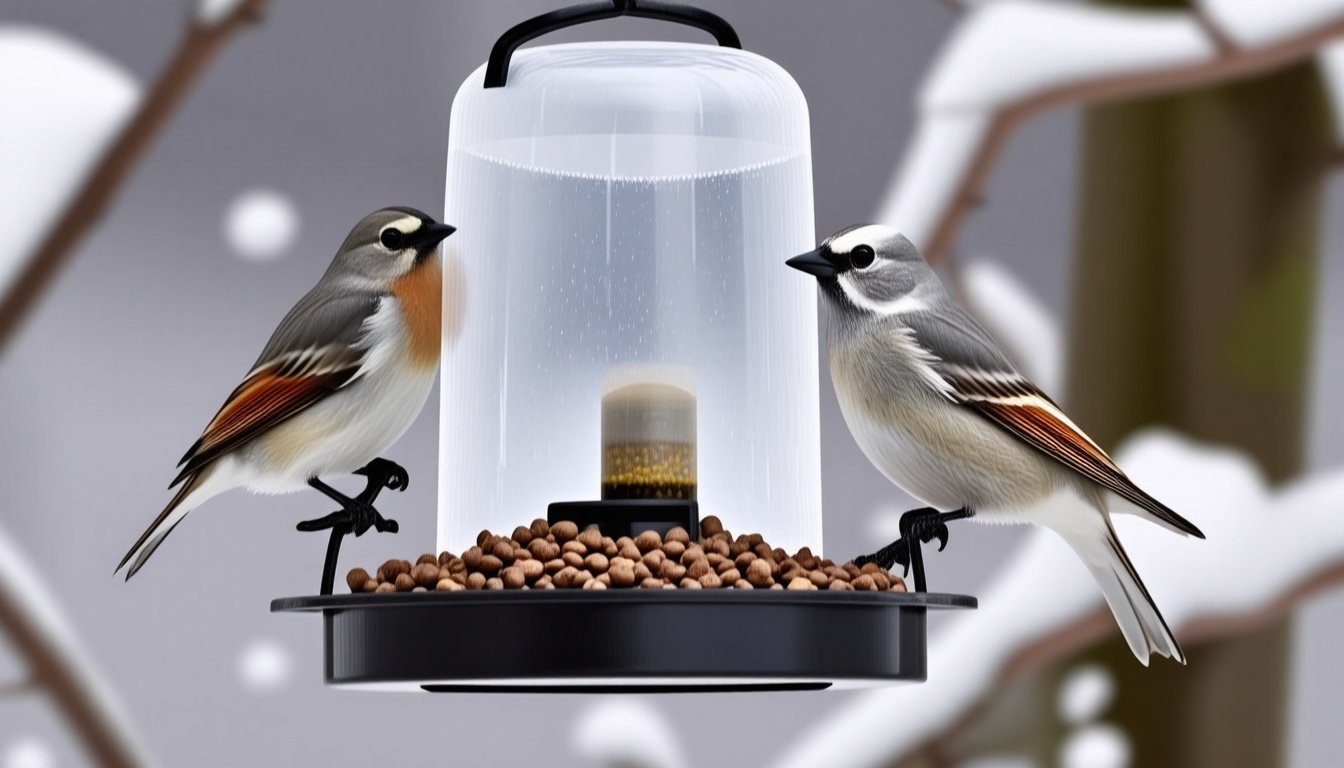
It happens every year. Late winter rolls around, and suddenly my bird feeders are empty more often. I refill them again and again, watching the crowds outside grow just a bit hungrier. It makes me wonder: Why does this season demand more refilling? And which birds actually benefit the most from my efforts during these chilly gray days? If you have a soft spot for backyard birds like me, you will find this story familiar. The hunger of winter birds is real, urgent, and beautifully simple. It tugs at something inside—maybe that little hope that life goes on no matter what the weather throws at us.
Why Late Winter Makes Me Refill Feeders More Often
Late winter can feel endless. The charm of sparkling snow fades into a dull routine of frost and mud. Daylight lingers just enough to remind you that spring is close but not quite here. For the birds, too, things feel tight. Natural food sources have thinned dramatically by this time. The seeds from fall are now buried under snow or spent altogether. Insects? Forget about it. They are tucked away waiting for warmer days.
Birds need energy to keep their bodies warm. Every single calorie counts. The cold saps their strength faster than you might think. Even a few degrees drop in temperature can double the amount of energy a chickadee or nuthatch needs just to survive the night. That means more visits to the feeder, more pecking at every crumb, and more demanding refills on my part.
One thing I noticed long ago is that late winter is the “hungry gap” for many birds. If I do not keep topping up the feeders, they have less food than usual and might even skip my yard entirely. It feels like they are quietly asking for help, almost pleading with their little fluttering visits. I never want to say no to those tiny faces.
Plus, there’s something about the late winter blues hanging in the air that makes feeding the birds feel extra meaningful. It is not just about giving them food; it is about offering warmth and hope in a season that wears everyone down, feathered and human alike.
More Birds, More Empty Feeders
Winter crowds the neighborhood birds together. Since natural resources are limited, they flock to reliable food sources. That means my feeders go from a quiet stampede of a few sparrows to a full-on party featuring chickadees, finches, juncos, and even the occasional woodpecker. The more mouths to feed, the faster the food disappears. I find myself watching the feeders like a hawk, mentally calculating if I have enough seed for another day or two.
It is a little funny how a round of seed can be gobbled up in just a matter of hours. I swear, if birds had wallets, they would be the ultimate shopaholics late winter. They visit multiple feeders, check every nook, and clearly have no shame in asking for more.
The Bird Cast of Late Winter Visitors
Not every bird loves the same food or feeder. Some have very particular tastes, and others just want to stuff their faces with whatever comes first. Here is a quick mix of the most common backyard birds I see crowding my feeders as the winter wanes, and what they love to munch on the most.
- Black-capped Chickadees – These little clowns show up in close-knit groups. They have big appetites and small bodies, which means they burn energy fast. They adore sunflower seeds and suet, and their acrobatic feeder hanging acts are a joy to watch.
- Dark-eyed Juncos – Sometimes called “snowbirds,” they love pecking around the ground near feeders. They enjoy millet and cracked corn, which fall easily to the ground. You might see them skittering through snow, looking for fallen bits.
- American Goldfinches – Bright flashes of yellow during winter dullness. These birds prefer nyjer seeds. I learned this the hard way—offering sunflower seeds made them look politely confused.
- Downy Woodpeckers – They come for suet cakes and sunflower seeds. Watching a woodpecker cling to a feeder is like seeing a tiny acrobat defy gravity while snacking.
- House Sparrows – Tough, adaptable, and often the first at the buffet. They will eat almost anything but seem particularly happy with cracked corn and coarse grains.
Why These Birds Matter in Late Winter
Sometimes we forget how harsh late winter really is. The days might be longer, but the food is scarcer. Each bird arriving at the feeder reflects a small victory—the battle to stay warm and alive, day by day. Helping them eat means helping them hold on until spring arrives with a fresh burst of life and food.
It also means we get to share a piece of their lives, part of their story. Every visit is a tiny moment of connection with the wild world right outside our windows.
How to Feed Different Birds Seasonally
Feeding birds is not just about dumping seed into a tray and hoping for the best. Different birds need different things, and what works in late winter might not be right for early fall or summer. Since I like to keep things simple yet effective, I have settled into feeding habits that shift with the seasons.
Late Winter Feeding Tips
In these lingering cold days, here is what the birds seem to appreciate the most:
- Sunflower Seeds (especially black oil sunflower) – These are a high-energy treat packed with fat and protein. Almost every bird I feed loves them. They are easy to dig out of snow and travel well in little bird tummies.
- Suet Cakes – Suet is a fantastic energy booster. It is basically bird candy made from fat and seeds. I hang suet cages near trees or feeders so woodpeckers and chickadees can snack easily.
- Millet and Cracked Corn – These are favorites on the ground. If you spread a bit of birdseed mix under your feeders, you might notice the juncos and sparrows hanging out there.
- Clean, Fresh Water – Water can freeze over in late winter, which leaves birds struggling to find a drink. If you can keep a small heated birdbath or frequently break ice, they will thank you with more visits.
How I Know When to Refill
It is less about a strict schedule and more about watching carefully. When I see more birds around or notice the usual favorites coming back quickly after a refill, I know it is time to top up again. It feels like a little routine dance between me and the birds—one where I try to stay one step ahead of their hunger.
Sometimes, I walk outside just to check the feeders. Other times, I keep my eye out from the kitchen window. The moment food disappears faster than usual, my hands reach for the seed bag again. I do not mind this little ritual. In fact, it feels like a silent conversation with my feathered visitors.
What Happens When Feeders Go Empty in Late Winter?
This is what you do not want to happen. Birds rely more on feeders in late winter because nature is stingy then. If the feeder runs out, they might get desperate or leave your yard entirely in search of better supplies. That means you lose the daily joy of watching them—and it can put strain on the birds during a tough time.
I have seen feeders go empty before. The silence afterward is kinda eerie. No more chatter, no more tiny dust-ups for the freshest seed, just stillness. That stillness reminds me how much those little moments of eating together matter.
So, I keep refilling. Not too little, not too much. Just enough to keep the music alive and the birds fed through the last of winter’s chill.
Final Thoughts on Winter Bird Feeding
Giving birds a helping hand in late winter is simple but powerful. It means watching a cheeky chickadee dart in for a seed or spotting a shy junco hopping through the snow. It is about holding space for life in the quiet season when everything feels slower and colder.
Feeding birds through late winter is a kind of small kindness. It wakes me up a little with each refill, reminding me that even in tough times, small acts can make a difference—not just for the birds but for our own hearts too.