
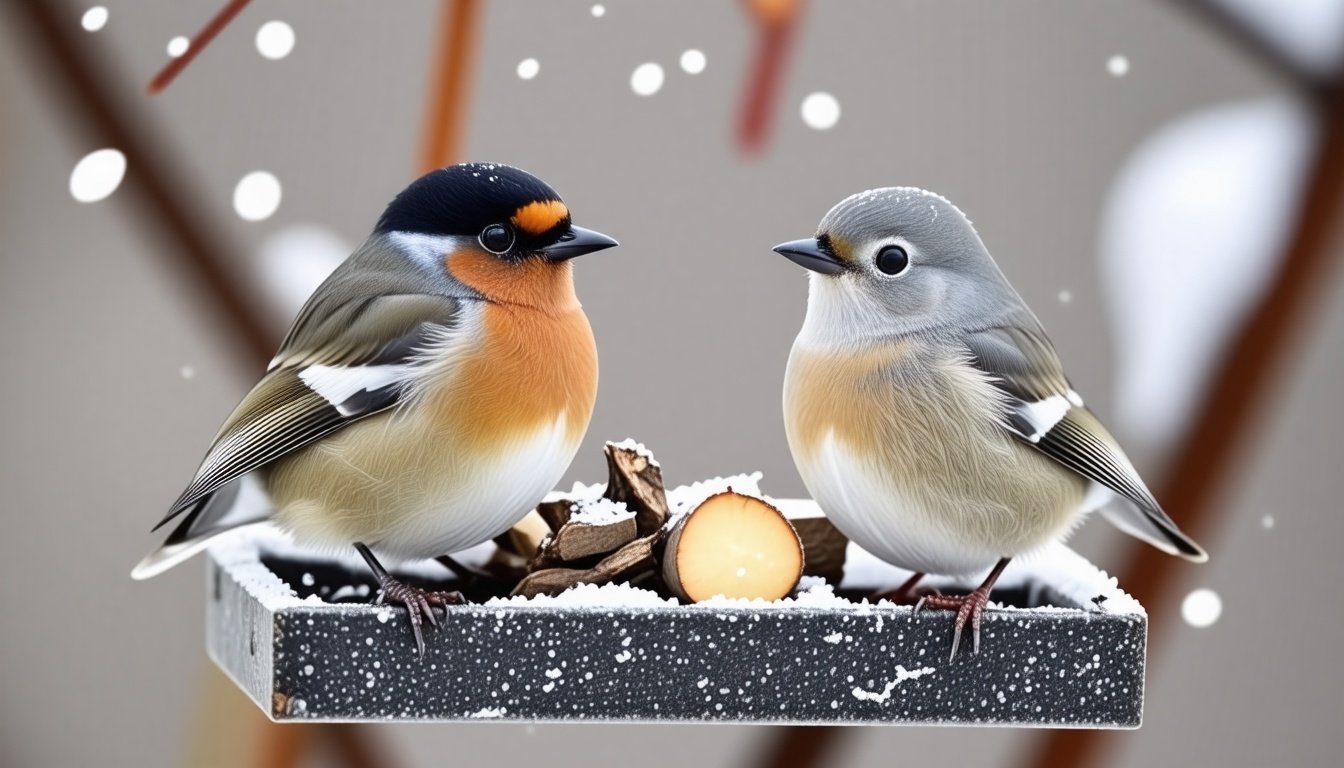
There is something quietly wonderful about the chill of winter settling in. The world slows down, trees stand bare and patient, and the birds around my yard become little warm sparks of life against the cold gray. This is when I pull out the suet. Not before. Not after. Just when the frosty mornings bite and the sun looks weaker than usual. Maybe it sounds odd—why not offer suet year-round if it is such a favorite? But here is the thing: suet is winter magic, and I save it like a special treat because the birds need it most when the weather turns harsh.
Over the years of watching feathered visitors come and go, watching them hustle and flutter, I have learned that different birds appreciate different foods at different times. Suet, that crumbly little block of pure, animal-fat goodness, is not just bird candy—it is a survival snack when natural food sources vanish under snow and ice. Let me tell you why I hand it out sparingly, and who stops by most eagerly once it is ready.
Why Offer Suet Only in Winter?
First, picture the outdoors in summer versus winter. In summer, the buffet is endless for birds. Bugs, worms, berries, nectar all over the place. Their menus are diverse and balanced. Suet, which is mostly animal fat rendered down from beef or pork, is energy-dense fuel, but birds simply do not need that kind of heavy, concentrated energy when they can just peck at fresh, juicy caterpillars or ripe berries.
Now, flip the calendar to December or January. The bugs are hiding or dead, berries are gone, and seeds are trapped under snow or ice. Birds still have to keep their tiny bodies warm and maintain energy to survive long, cold nights. This is when suet shines. It offers fat in its purest form, a quick and efficient energy boost that helps birds burn calories fast to stay warm. It is like their little winter heater in block form.
But here is something more subtle—suet also tends to spoil when it is warm. It can get soft, go rancid, and attract pests you do not want hanging around (like squirrels or raccoons). Because of this, many bird lovers, myself included, prefer to avoid putting out suet when temperatures climb. It just is not the best treat when it is hot outside.
So suet becomes a seasonal offering. I bring it out when frost is likely and pack it away by the time spring starts whispering in the air again. That rhythm suits the birds, and it suits me too. It feels like a little winter gift to them. And knowing who appreciates it most? Now that is where the real joy starts.
The Birds That Go Crazy for Winter Suet
You might think all birds like suet, but nope. Just like us, they each have their favorites. The birds that really flip for suet are often those with high metabolisms, small frames, or tough winters where food is scarce. Here are the stars of my suet show:
1. Woodpeckers
Woodpeckers are the first to claim the suet feeder. I have a special spot in my yard just for them, near a sturdy tree. They are a treat to watch, with their bold black-and-white-and-red plumage and their confident tapping on the feeder. They love suet because it mimics the kind of fatty insects they dig out of bark during the warmer months.
Downy woodpeckers and hairy woodpeckers especially appear without fail once the suet goes up. They cling headfirst, pecking at the suet like little pros. Their tongues are made for pulling insects out of crevices, so fat blocks are a nice substitute in winter when insects are hiding.
2. Nuthatches
These little acrobats are another winter regular. Nuthatches can hang upside down on tree trunks and feeders, poking tiny beaks into cracks for hidden treats. They adore suet because it is soft and easy to peck at, and it gives them energy for their busy exploration.
Watching them balance upside down while gobbling fat is both amusing and heartwarming. They are also loud little chatterboxes, adding a cheerful soundtrack to cold days. Their favorite flavors? Usually suet with sunflower seeds or bits of peanuts mixed in.
3. Chickadees
Ah, chickadees. Those sweet, bold little birds with their distinctive “chick-a-dee-dee-dee” call. They are a joy to have around and often visit in small flocks. Chickadees are curious and fearless, often coming close enough to your window to make you smile.
Chickadees love suet too, though it is more of a treat alongside seeds and nuts. They benefit from the extra calories to keep their energy high, helping them stay spry through cold snaps. Unlike woodpeckers, they tend to nibble more gently at suet, making tiny holes in it.
4. Starlings and Grackles (but with caution)
Now here is a twist. Starlings and grackles are often called “feeder bullies” because they can overwhelm other birds at feeders, including suet. They really like the fatty suet blocks, but too many of them can scare off smaller birds.
I have learned to keep an eye on how many starlings show up. Sometimes it is okay, but if they begin to dominate, it is better to temporarily remove the suet or use feeders designed to keep larger birds out. It is a balancing act between sharing and protecting the smaller suet lovers.
5. Blue Jays
Blue jays also have a taste for suet. These colorful, bold birds are noisy visitors and love all things fatty and hearty in winter. They will happily snag a piece of suet and gobble it up quickly.
Occasionally, blue jays get a bit greedy and might chase off other visitors. But honestly, their vibrant blue feathers and cheeky antics make up for it. Plus, they help spread nuts and seeds in the yard, so they are welcome guests overall.
How I Serve Suet: Tips and Tricks
Okay, I have talked a lot about why and who likes suet. But how do I actually serve it? You might picture a simple square of suet slotted into a cage feeder, and yes, that is classic. But I have learned a few things over the years that make the experience better for both me and the birds.
- Buy or make fresh suet: I prefer fresh suet—either homemade or high-quality store-bought. Fresh basics like beef fat mixed with sunflower seeds, oats, and peanuts work wonders. Avoid suet with preservatives or artificial ingredients.
- Use suet feeders with cages: These feeders let the birds cling onto something sturdy while they peck, and the cage keeps the suet intact longer. I like a metal cage feeder that is easy to refill and clean.
- Offer suet in shaded spots: If the sun hits the suet directly, it can melt or spoil faster. A spot with partial shade keeps it firm and fresh longer. Plus, birds feel safer feeding in shaded, secluded areas.
- Mix in treats: Sometimes I add bits of dried fruit, chopped nuts, or seeds to the suet mix. This variety keeps the birds interested and gives them an extra nutritional boost.
- Check suet regularly: I peek at the feeders often to make sure suet is still fresh and not moldy or rancid. Old suet can be harmful to birds, so I replace it every few days during cold spells.
- Manage squirrels: If pesky squirrels start raiding the suet, I get creative. I use squirrel-proof cages or place suet feeders on metal poles far from trees to discourage unwanted visitors.
Seasonal Bird Feeding: Adjusting the Menu All Year
Suet has this perfect winter window of glory, but what about other seasons? I like to think of feeding birds like hosting a party where the menu changes with the weather.
Spring and Summer
Once the snow melts and the air warms, I retire the suet. Instead, I fill feeders with mixed seeds, sunflower seeds, and peanuts. This matches the natural abundance outside. I also plant native flowers and bushes that attract insects for birds to snack on naturally.
Additionally, I hang hummingbird feeders during late spring to summer when those tiny nectar lovers arrive. It feels like a whole new party with different guests.
Fall
Fall is a transition period. I start to reduce the seed offerings and prepare for winter by slowly introducing suet again once the temperature dips. I also scatter cracked corn and millet to attract sparrows and doves who enjoy these carbs as the weather cools.
Watching this shift reminds me how nature cycles through rhythms, and how birds adjust their diets just like us. It is a dance of survival and adaptation.
What I Have Learned from the Birds
Spending winters watching birds flock to my suet feeders taught me far more than just what they eat. It taught me patience, attentiveness, and a special kind of joy that comes from small, everyday kindness.
Birds do not ask for much. A little food, a little shelter, a watchful human keeping an eye out. In return, they bring life, color, and music to gray winter days.
Offering suet only in winter feels like a small gift that matters—a way to help creatures survive when times get tough. It is a reminder that even in coldest seasons, there is warmth to be shared. And watching those downy woodpeckers, chickadees, and nuthatches bustling around the feeder is a gift to me too.
So if you want to start a simple winter tradition, try suet. Just for a few months, when nature needs it most. Watch who comes to visit. You might just find your heart a little fuller and your days a bit brighter.