
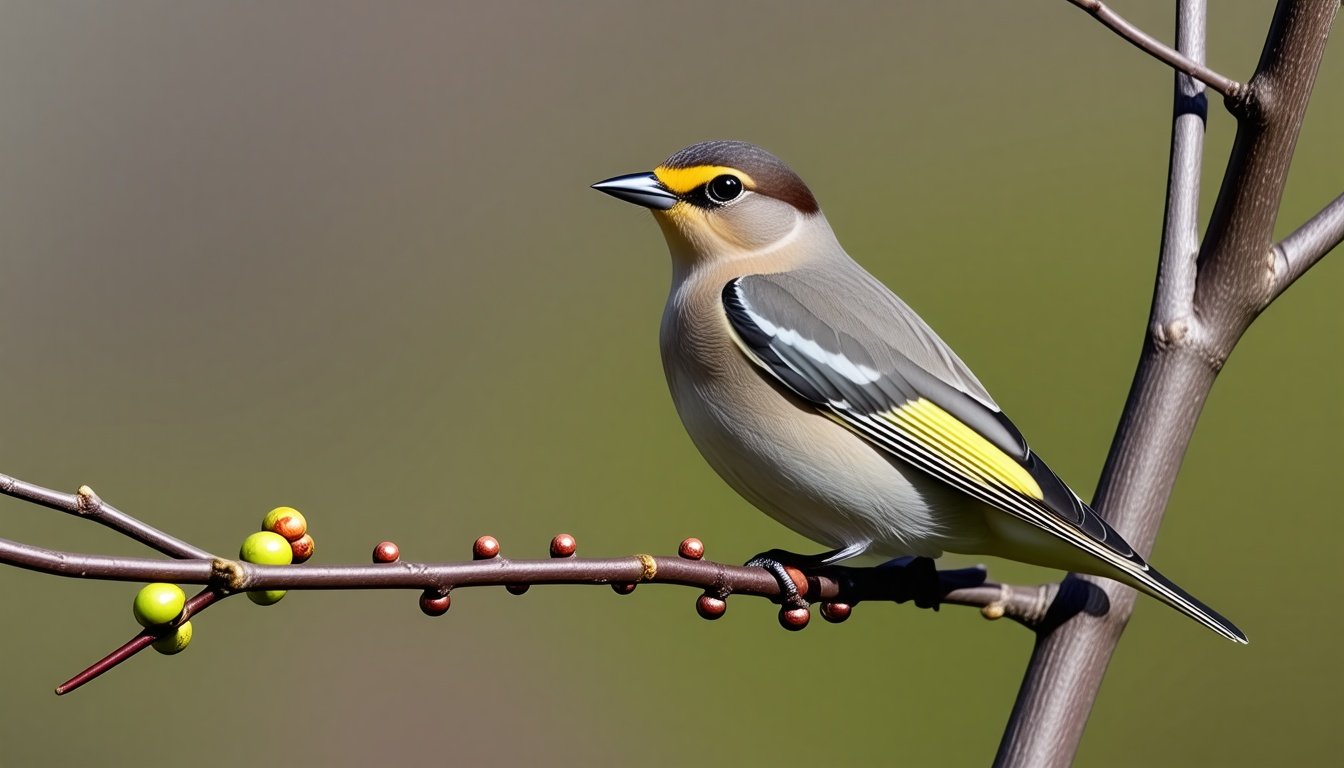
There is something quietly magical about watching birds flutter around your backyard, each one flashing colors, chirping their tiny songs, and chasing each other like little winged comedians. But here is what I learned after years of feeding them: if you want to see a variety of birds through the seasons, you cannot simply leave one bag of seed on your feeder all year long. Birds are picky, and their tastes change with the days and months just like ours do. I realized that changing my seed mixes with the seasons did not just attract more birds; it made every morning feel like a live nature show, fresh and full of surprises.
Why stick with the same mix when spring, summer, autumn, and winter each call for a different snack? Some birds crave fat-packed goodies in the cold months, while others want fresh, lighter fare when bugs and berries are abounding. If you want to chat with your feathered neighbors, you have to speak their language. Or, in this case, fill their pantry with exactly what they want. So, pull up a chair, and I will share what I learned about feeding birds through the seasons, and how changing seed mixes brought a whole new world of bird friends right to my window.
Spring: A Fresh Buffet for New Life
Spring has a certain excitement in the air. You feel it in the buds on the trees, the warm breeze, and that buzz of birdsong at dawn. Birds are coming back from their winter homes or waking up after a tough season. They need protein, energy, and lots of nutrients to raise their babies and rebuild their strength.
This is the time when I switch to seed mixes rich in sunflower seeds (black oil kind), millet, and cracked corn. Sunflower seeds are like a little power bar for birds. They are packed with fat and energy, which is perfect for busy parents hopping from branch to branch, gathering nesting materials, and feeding babies. Millet is small and easy to eat, a favorite among sparrows and doves, and cracked corn gives extra carbohydrates for energy.
I remember one morning last spring when a pair of vibrant cardinals showed up in my yard. They seemed almost shy but could not resist the black oil sunflower seeds. Watching them, I felt like I was part of a secret club. The birds knew this spot was open for fresh, tasty food, and they returned every day to snack and sing.
Along with the seed mix, I always keep a water source nearby. Birds use water not just to drink but also to clean their feathers and cool off. I swear, once your feeder is set with the right mix, and a shallow dish of water is present, your backyard becomes the hottest restaurant in town for birds—that is if you keep your eyes open and your phone ready for some adorable selfies.
Spring Seed Mix Components
- Black oil sunflower seeds – small, high-fat, easy to crack
- Millet – tiny and popular with ground feeders
- Cracked corn – extra carbs for energy
Summer: Light Snacks and Fresh Treats
Come summer, birds want something different. The heat is on, bugs are everywhere, and many birds are busy feeding fledglings or their second broods. Too much fat can weigh them down in warm weather, so I cut back on sunflower seeds and add more safflower seeds and nyjer (thistle seed). I also start sprinkling in dried mealworms because, boy, do those little wriggly critters make baby birds happy.
I have learned that summer is when you see a real party at the feeder. Goldfinches love nyjer, and they come in flocks, looking like little yellow confetti tossed in the air. Safflower seeds are a bit tougher for squirrels, which is a bonus because sometimes those furry freeloaders rule the feeder during summer. Plus, squirrels are not fans of safflower, so I get to keep the seeds for birds instead of sharing my snack with bushy-tailed bandits.
Summer feeding is all about offering light, easy-to-digest seeds that keep birds fueled without being heavy. If you want to attract orioles, toss in some orange halves or grape jelly near your feeder. They do not eat seeds much, but oh, how they love juicy fruit treats on hot days. I remember that one summer when a little oriole couple showed up like clockwork, and every morning they returned to feast and splash in the water dish. It was joy in motion.
Summer Seed Mix Components
- Safflower seeds – hard for squirrels, great for cardinals and doves
- Nyjer seed – beloved by finches, especially goldfinches
- Dried mealworms – protein boost for babies and insect lovers
Autumn: Preparing for Cold Days
Ah, autumn—the season of change, falling leaves, and long, golden afternoons. Birds are busy fattening up for winter or migrating south. They want seeds with serious calories now, so I switch back to something similar to spring but with the addition of peanuts (unsalted and shelled) and sunflower hearts. The hearts are like sunflower seeds without the shells, so birds like chickadees and nuthatches can munch quickly and pack on calories.
One of my favorite things about fall feeding is watching jays and woodpeckers arrive like clockwork, snapping up peanuts and sunflower seeds. These birds are such characters, noisy and bold, and they make feeding time a lively event. Plus, peanuts hold a lot of fat and protein, helping birds get ready to survive cold snaps or long flights.
A little fun fact: If you scatter some whole peanuts on the ground, you might spot squirrels or even a curious raccoon. But hey, wildlife is wildlife, and sometimes the best feeding moments come with unexpected guests.
Autumn Seed Mix Components
- Black oil sunflower seeds – energy-packed classic
- Sunflower hearts – easier to eat and calorie-rich
- Peanuts (unsalted, shelled) – favorite for jays and woodpeckers
- Cracked corn – fillers for doves and pigeons
Winter: Comfort Food for Cold Feathers
Winter is when your yard turns into a lifeline for birds. Outside, the world looks bare and cold, but your feeder should be a warm refuge. Birds want the fattest, most energy-rich food they can get. I bring out a mix heavy on suet, sunflower seeds, and peanuts to help them survive freezing temperatures and scarce natural food.
One year, a brutally cold winter brought flocks of chickadees, titmice, and even a couple of hardy nuthatches to my feeder every day. I knew they needed the extra energy, so I made sure the suet cakes were fresh and the seed mix was loaded with sunflower seeds and peanuts. It felt like I had become a tiny winter diner owner, serving gourmet comfort food to my feathered friends.
Suet is amazing. It is basically animal fat, pressed with seeds or berries, and birds love it—they especially adore woodpeckers, chickadees, and nuthatches. It is hard for them to find fat in winter, yet they need it to keep warm. While suet feeders might be less common than seed feeders, trust me, they are the best gift you can give to winter birds.
Also, I make sure to keep fresh water even in winter, using a heated birdbath or changing the water several times a day to prevent freezing. Birds need water as much as seeds, and sometimes more than you think.
Winter Seed Mix Components
- Suet cakes – high fat and irresistible
- Black oil sunflower seeds – energy and fat
- Peanuts – protein and fat-packed
Why Changing Seed Mixes Made All the Difference
At first, I was lazy. One bag of seed, one feeder, all year. But the birds? They barely came. It took me a few seasons to realize the birds were not just passing through; they were simply ignoring my menu. Birds have different needs just like we do. Imagine eating the same grilled cheese sandwich for breakfast, lunch, and dinner every single day—boring, right? That is how birds feel about seed mixes that do not change.
Switching seed mixes with the seasons brought a burst of life to my yard. Different birds, different sounds, different antics. It became a living, breathing connection to nature. And the best part? It made me pay attention. I watched, I learned, and I felt part of a story bigger than myself.
Changing seed mixes also helped keep feeders cleaner and healthier. When birds eat the right foods, less waste piles up, and the seeds last longer. It felt good knowing I was not just feeding birds, but feeding them well.
Seasonal Seed-Fed Birds Quick Guide
- Spring: Cardinals, chickadees, sparrows
- Summer: Goldfinches, orioles, doves
- Autumn: Jays, woodpeckers, nuthatches
- Winter: Chickadees, nuthatches, titmice
Final Thoughts: Feed With Your Heart
Bird feeding is one of the simplest joys in life. It requires little effort but returns endless happiness. Changing your seed mix with the seasons is like tuning into the secret radio station where birds share their preferences and needs. It is a quiet way to connect with nature, learn its rhythms, and celebrate its wild, beautiful messiness.
So, if you want to keep your backyard buzzing year-round, mix it up. Watch who comes by and try new seeds when the seasons change. Your feathered friends will thank you with their colors, songs, and wild, wonderful visits. Trust me, once you start changing seed mixes, you will find yourself looking forward to every season—not just for the weather but for the bird stories unfolding right outside your window.