
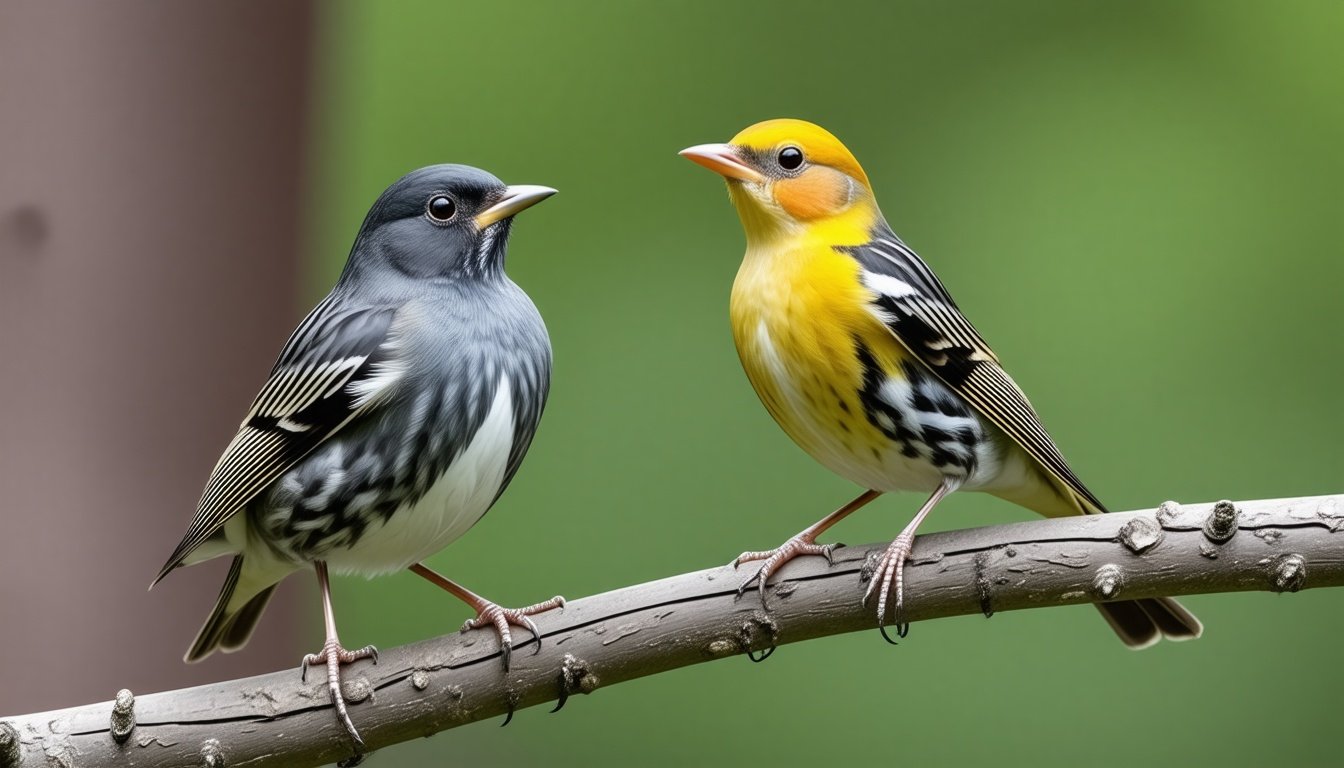
Every summer, for what feels like just a blink of an eye, orioles show up in my backyard like little bursts of orange sunshine. Bright, bold, and impossible to miss, they flit around with the kind of confidence that makes other birds seem shy. But getting them to actually stick around? That has been a wild ride of trial, error, and a few moments of pure bird-feeder magic.
Orioles visit for only a short time each year, and each season I find myself trying something new. Sometimes it works, sometimes it does not. But the thrill of seeing those orange gems swinging from my feeders makes every attempt worth it. If you want to invite orioles to your yard, pull up a chair. I am sharing what I have learned, what made my yard their summer hangout, and what felt like a hilarious failed experiment.
Why Orioles? Because They Are Worth It.
I am not going to lie, orioles are a bit finicky. They do not eat birdseed like your typical backyard chickadee or sparrow. They prefer sweet nectar and juicy fruit, which means you cannot just toss out any old seed mix and expect a party. It took me a while to figure out what these flamboyant birds really wanted. Hint: it does not involve sunflower seeds.
What hooked me at first was the way orioles seem to dance in the air — nimble, bright, and bursting with color against the green leaves. They feel like fleeting summer guests who want to be noticed. And somehow, having them around makes the whole summer feel like it has special moments baked in. Kind of like catching fireflies or hearing the ice cream truck’s jingle on a hot afternoon.
The Basics: What Should You Actually Give Them?
Before I started messing around with various options, I checked the basics so I was not just randomly throwing fruit outside. Here is a simple list that orioles like to munch on:
- Nectar: A sugar water mix, similar to hummingbird nectar. No red dye needed (I learned this the hard way).
- Fruit: Orange halves and grapes, cut open for easy snacking.
- Jelly: Grape jelly is a classic, but I also tried other flavors.
- Specialty feeders: Feeders designed for orioles are often a must. They usually have deep cups for nectar and spots for fruit or jelly.
With this in mind, I was ready to shake up my backyard bird buffet and see if I could finally get those oriole visits longer than just a flyby.
Step One: The Nectar Experiment
So I started with nectar because, honestly, it sounded the easiest. I found an oriole feeder online — bright orange, of course, because these birds love colors. I mixed sugar and water, but I refused to buy the red dye stuff because the internet was screaming about how it can be bad for birds.
Feeding time. I filled the feeder and hung it on my old maple tree. Every few hours, I peeked out the window, hoping for an oriole to show up, only to see squirrels first, then a curious cardinal, and finally a couple of bold hummingbirds swooping around the feeder. But no orioles.
I was about to give up when, on day three, a flash of orange zipped by! A single oriole hovered briefly, dipped its beak into the nectar, and vanished. Victory! Well, sort of. Over the next week, more orioles came by, but only briefly. They nibbled, sipped, and then disappeared as if they were just testing the water.
The lesson here: nectar is necessary, but by itself it is not going to turn your yard into oriole central.
Next Up: Fruit and Jelly Fame
Fruit! That was the next logical step. I sliced oranges in half and stuck them on skewers near the feeder. I also put out a small shallow dish with grape jelly, which I had heard was a favorite. Honestly, the first day was a bit of a fruit salad disaster. Ants discovered the oranges immediately, the jelly dish was a sticky mess, and I wondered if I had made a mistake.
But patience, as always, was the deal here. Orioles started to notice the oranges within a day. Suddenly, flashes of orange would pop up near the fruit stations; their beaks pecking gently at the juicy flesh. And the jelly? That was a hit. One or two orioles would perch on the nearby branch, dipping their beaks in the sticky sweetness like kids with candy.
What blew me away was how different individual orioles acted. Some were all about the fruit, ignoring the nectar. Others went straight for the jelly and barely touched the oranges. It was like hosting a backyard brunch where everyone orders something different.
Learning the Feeder Setup
This is where I got a bit fancy, but only because I wanted to see what was really working. I hung the nectar feeder, skewer-holders for fruit, and jelly dishes in the same general area. I also made sure to place everything in spots that caught the sun gently — too much shade and the nectar would spoil faster; too much sun and the fruit would shrivel.
One funny thing I found was orioles liked some privacy while they fed. If the feeders were too exposed, they barely lingered. But if branches or shrubs surrounded the feeders, they would hang out longer, sometimes even singing from their perches nearby.
It made me laugh thinking, do orioles want shade and privacy just like me? Or maybe they are just shy little creatures who need a cozy corner to eat.
What About Water?
At first, I thought since the nectar and fruit were juicy, orioles did not need extra water. Then, on a scorching afternoon, I set out a shallow birdbath. Within minutes, an oriole splashed around, flapping and looking downright delighted. Okay, water is a yes.
That was one of those moments that made all the effort feel worth it. Watching the oriole enjoy a bath was better than any fancy coffee or TV show I had that day. When was the last time a bird splash made your heart leap? If you do not have a bath, get one. You will feel like you gave a guest a spa day.
Handling the Neighborhood Critters
Now, inviting orioles means inviting all sorts of other wildlife curiosity. Squirrels are sneaky and will try to get to your nectar. Ants are relentless and perfectly happy to set up shop on your fruit if you are not careful.
I tried a few tricks: ant moats on feeder poles, hanging orange netting around the fruit, and repositioning feeders higher and further from tree trunks. Some tricks worked better than others. The ant moat was a game changer; ants never made it past that watery barrier. Squirrels? Well, they are persistent little Houdinis.
If a squirrel stole an oriole’s snack, I just thought of it as a backyard soap opera — drama included. You start rooting for your orange friends a bit more fiercely.
The Unexpected Joy of Watching Orioles
After a few summers of practice, my backyard became a low-key oriole hangout. Not every day brought visitors, but when they came, the yard felt alive. They are not just feeding machines; they are little characters, each with a quirky movement or sound that made me smile.
One summer, I even spotted a pair building a nest nearby, which felt like a secret honor. To get orioles to visit means more than just filling feeders; it is about opening up a small world of nature that feels special and fleeting.
Quick Tips I Wish I Knew Earlier
- Always mix nectar fresh every few days. It goes bad quickly, and orioles will turn their beaks up at stale nectar.
- Use real fruit, especially oranges and grapes. The juicier, the better.
- Place feeders in a sunny spot with some nearby cover for privacy.
- Keep an eye out for ants and squirrels; simple ant moats can keep ants away.
- Do not use red dye in nectar — just sugar and water.
- Water is just as important. A shallow birdbath nearby is a nice bonus.
Seasonal Feeding: Changing It Up for the Best Visits
Orioles do not stay long, which means your feeding game needs to shift by season. Early in the season, before fruit is ripe, nectar and jelly are big hits. Once summer warms up, fresh fruit becomes the star.
In late summer, orioles start to get ready for migration — their visit is winding down. That is when they might not linger as long, no matter how tasty your offerings. I learned that sometimes, the best you can do is make their brief time here feel like a five-star meal.
After the orioles leave, I switch my feeders back to favorites for other birds, because every season deserves its own flavor of happy visitors.
Final Thoughts (But Not Really Because I Could Go On Forever)
Trying to attract orioles is part science, part patience, and a whole lot of joy. Sometimes I walk away with empty feeders, and other times, I catch an oriole mid-sip and feel like I just made a new friend.
If you want to welcome these bright little visitors, get ready to experiment, laugh at squirrel shenanigans, and maybe, just maybe, see your yard become a tiny summer stage for some of the most graceful birds around.
And if it does not work immediately? Trust me, that oriole is out there somewhere, checking the neighborhood. Maybe next week, next feeding, you will see that flash of orange and know you got it right.