
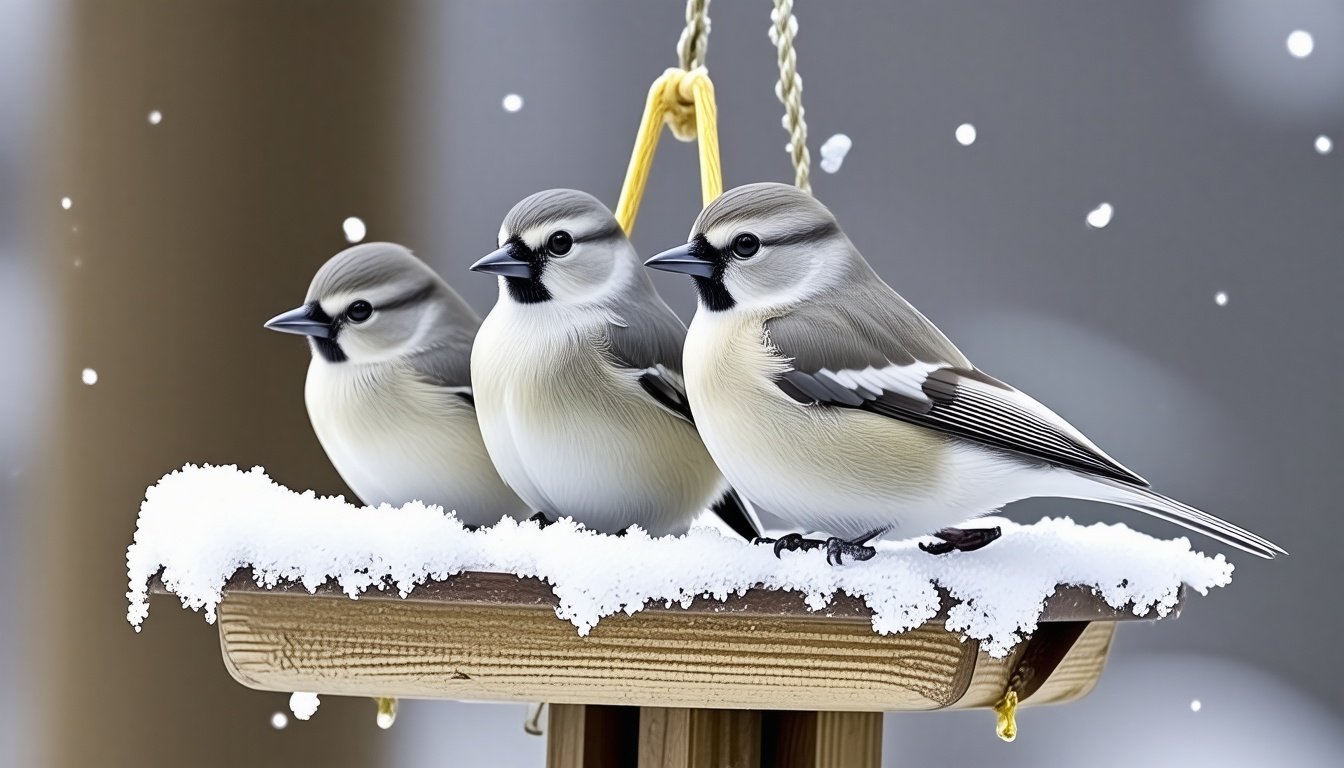
Winter Warfare: How Chickadees Show Up When It Gets Tough
There is something quietly magical about watching chickadees flit around the feeders on the coldest, grimiest days of winter. They do not wait for a sunny spell or an easy meal—they dive right into the frozen world with a tiny burst of energy and curiosity. You know that feeling when everything outside seems harsh, cold, and uninviting? Chickadees live in that exact space, thriving where many of us just want to hide under a blanket. Over the years, feeding them during those brutal months has taught me a few things about grit, patience, and maybe a little bit about hope.
So, what have I noticed when I cracked open the winter door to invite my feathered friends in? A lot more than just watching birds eat, that is for sure. It turns out, chickadees do not just survive winter—they use it to remind us what real toughness looks like.
Chickadees Are Winter’s Little Warriors
Think about chickadees as tiny snow warriors, small enough to slip through the tightest branches but brave enough to face the biting cold. Their little bodies work overtime to keep warm, which means they need fuel more often than you might expect. They show up first thing in the morning, usually the hungriest, and keep coming back until the sun dips low. It feels like they are in a hurry, as if every bite counts toward making it through the night.
Feeding chickadees during bad weather is a bit like fueling up a car before a long trip. You want to give them the best kind of gas—something rich and full of energy. Over the years, I have learned that black oil sunflower seeds are their absolute favorite. Small and packed with fat, they offer quick energy, which is a godsend on days when the cold just will not quit.
They Are Not Fussy, But They Know What They Want
It is easy to assume birds will eat whatever slop is thrown out, but chickadees are actually pretty choosy little diners. They do not waste time on things that do not offer them enough energy—it is survival, after all. Shelled peanuts, sunflower seeds, and suet blocks that melt slowly in the cold are the go-to snacks. You might think any seed mix would do, but chickadees tend to leave the fillers alone.
And here is a secret: they have a little trick for remembering where the best food spots are. If you set up multiple feeders, they will zip from one to another, keeping an eye on what has been freshly filled. They are so smart that once a feeder runs low or gets cold and icy, they might just skip it for a while.
Winter Feeding: Not Just About Food, But About Trust
There is something deeply emotional about feeding chickadees when the world outside freezes. They do not just swoop in, gobble, and vanish. Some stick around, sitting just a few feet away, watching with those bright eyes that seem to say, “Okay, I think I can trust you.” It is like the start of a delicate friendship, built one seed at a time. I have found myself talking to them, joking about the bitter cold or wondering aloud where their little buddies have gone.
In fact, chickadees often come to rely on the steady supply of food you provide. When the snow piles up and natural sources disappear under ice, those feeders turn into lifesavers, and they know that. It feels good—and strange—to know that such a tiny creature might be counting on you.
How Harsh Winters Change Their Behavior
On brutally cold days, chickadees gather in small groups. They huddle in thick bushes or on tree branches close to each other, sharing warmth the best way little birds can. Sometimes it seems like they take a brief pause from their frantic feeding to just be together. This is why it is smart to leave some cover nearby—evergreens or thick shrubs—so they have a place to rest that feels safe.
When the wind howls and frost bites, chickadees will feed more rapidly and more often. They can burn up half their body weight each day just staying alive. If a feeder runs out, they get stressed and may stop showing up until you refill it. I have seen them call out, almost like they are asking, “Where is the food? We need it now!” Well, that is just me imagining their little voices, but it does feel like that sometimes.
Simple Tips That Make All the Difference
Feeding chickadees during hard winters does not have to be complicated or expensive. The little joys come from paying attention and getting a bit creative.
- Keep feeders clean and dry. Moist seeds are no fun for birds. Wet seeds can mold and make them sick.
- Put up multiple feeders. This helps reduce crowding and keeps the food accessible even if one feeder is icy or empty.
- Use quality seeds. Black oil sunflower seeds and shelled peanuts are favorites. Avoid cheap mixes with lots of fillers.
- Consider suet blocks. These are fat-rich energy bombs especially helpful on freezing days.
- Make sure your feeders are easy to reach. Chickadees like quick escape routes if a predator shows up.
- Provide cover nearby. Shrubs, evergreens, or brush piles give them places to rest and hide from the wind.
- Refill often. Do not let your feeders run empty, even for a day or two, or the chickadees may give up on you.
Seasons Change, and So Do Their Needs
While this article is mainly about brutal winters, it is worth noting that chickadees’ diets and habits shift with the seasons. Come spring and summer, they switch to more insects and caterpillars. Winter? They are all about fat and fuel to beat the cold. That means we have to change our feeding game if we want to keep seeing those cheerful faces year round.
If you want to keep your yard friendly to chickadees all year, try mixing in mealworms during warmer months. They love the protein boost. But in the freezing months, keep it simple: fat and seeds. The birds know what they need better than we do.
Some Thoughts About Other Winter Birds
Feeding chickadees is just part of the winter bird-feeding story. Other species like nuthatches, woodpeckers, and juncos drop by too. Each has their own flavor and demands. Woodpeckers, for example, absolutely adore suet and will often take the top spots at the feeder, sometimes intimidating smaller birds like chickadees.
That said, chickadees usually hold their ground with a bold little chirp. Watching those interactions feels like a tiny, frozen soap opera every day. You quickly realize how much personality is packed into these little bodies.
Why Feeding Chickadees Feels Like More Than Just Helping Birds
There is a bigger picture here, one that hits home on those long, dark winter days. Feeding chickadees is a kind of ritual that reminds me that beauty and persistence exist all around us, even in cold and quiet moments. Every visit from these tiny birds feels like a nod from nature, a way of saying, “Hey, you are not alone in this harsh season.”
The way chickadees rely on each other and the small kindness we offer is a sharp contrast to the busy, often isolated world we live in. It pulls me out of my head and into a simple, shared experience with life that is beautiful in its own right.
Final Thoughts on Winter Feeding
Feeding chickadees through winter may seem small, but it is a powerful act of connection. These birds remind us how resilience can look tiny and fierce at the same time. They teach us patience (they will test your refilling schedule), kindness (they trust you with their lives), and joy in the simple things (a seed, a moment in the cold). Next time you see those black-capped little faces popping out of the snow, remember: you are part of something bigger than a bird feeder. You are a lifeline in their cold world.
So, grab a handful of sunflower seeds, find a quiet spot near your window, and watch winter’s little warriors do their thing. I promise you will be surprised by how much warmth a tiny chickadee can bring when the world feels frozen solid.