
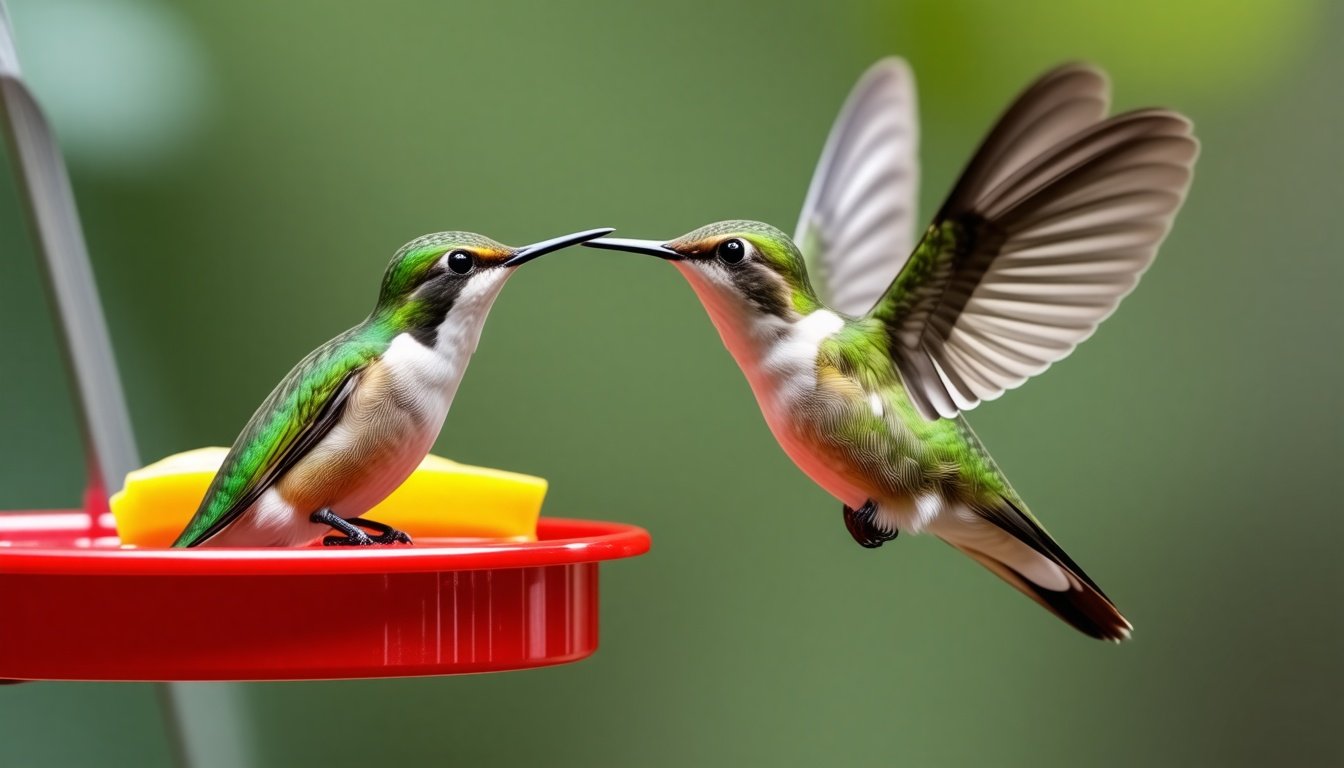
Summer heat and hummingbirds seem like a match made in backyard paradise. But taking care of these tiny winged dynamos when the sun turns the thermometer into a fiery monster has been a bit of a juggling act for me. At first, I thought feeding hummingbirds was as simple as hanging a sugary feeder and watching the show unfold. Turns out, there is a lot more emotion, care, and yes, sweat, involved in helping these feathers floaters stay happy and healthy through the hottest months.
Hummingbirds are like little jewels zipping around with the energy of a double espresso shot. They do not just survive the summer heat; they thrive on it. But they depend on us—their human cheerleaders—to keep their nectar fresh, feeders clean, and water readily available when everything else in the yard feels parched. So, here is what I have learned after a few summers of trial, error, and heartbeat moments watching these extraordinary birds up close.
Summer Is Not Your Average Season for Feeding Hummingbirds
Most people imagine hummingbirds simply gliding from flower to flower, sipping sweet nectar, and dazzling us with their iridescent feathers. That part is true. But what they do not see is the constant battle hummingbirds face against the heat, dehydration, and energy loss. When temperatures climb, hummingbirds need more water and nutrients than usual. You might think that just cranking up your feeder with sugar water is enough. It is not quite that simple.
Here is the thing: sugar water can spoil faster in hot weather, which becomes dangerous for hummingbirds. Mold and bacteria grow quickly in warm feeders, and no one wants to serve a nasty bug smoothie to a little bird. Plus, hummingbirds need variety. Nectar alone will not fill their needs. So, what have I found works?
1. Keep Nectar Fresh and Cool
I learned this the hard way after watching hundreds of hummingbirds flock to my feeder one day—and refuse to touch it the next. That sticky liquid was fermenting in the summer heat faster than I could say “hummingbird happy hour.” Now, I make fresh nectar every two days—sometimes even daily on the hottest week—and keep the feeders shaded to slow down the gunk party. If you want to make your own nectar, mix four parts water to one part white granulated sugar. No honey, no artificial sweeteners, no fancy flavors. Just the good old sugared water that mimics what flowers naturally produce.
One trick I discovered is storing extra nectar in the fridge and swapping it out before it becomes cloudy or sour. Hummingbirds are surprisingly picky; they instinctively know when their food is spoiled. Keeping the feeder clean is also a must. I scrub mine with hot water and vinegar every time I refill to stop mold from taking over.
2. Hydration Stations Go Beyond Nectar
Nectar is the main fuel, but hummingbirds also need water for hydration and bathing. In scorching summer weather, I add a shallow birdbath nearby. The little birds love splashing and cooling off—sometimes they seem to throw a tiny water party. It is heartwarming to watch them pause for a quick dip before zooming off again.
Make sure the birdbath stays clean and filled with fresh water every day. If you have a water mister or fogger, try turning it on during the hottest parts of the day. Hummingbirds adore hovering through the fine mist. Watching them dance in the spray is a reminder that they, too, search for little moments of relief when the world feels too hot.
3. Plant Native Flowers That Bloom in Summer
Feeders are wonderful, but nothing beats natural nectar from flowers buzzing with life. I started planting native, sun-loving flowers in my garden that bloom through summer heat waves. Think trumpet creepers, bee balm, salvias, and hummingbird mints. These flowers are like little energy bars dangling on green stems, perfectly designed for hummingbird beaks.
I cannot recommend this enough—it brings an extra layer of joy to watching hummingbirds flit and dive for the “real deal.” Plus, flowers support other pollinators and add wild beauty to your space.
Other Summer Bird Feeding Tips for Different Species
While hummingbirds steal much of the spotlight during summer, other bird buddies also need a little help staying hydrated and nourished under the blazing sun. It feels rewarding to watch a diverse group of birds gather around one feeding station, each with their own quirks and preferences. Here are some things I have noticed feeding various summertime feathered friends.
Warblers and Flycatchers Talk Nectar Too
Though hummingbirds are nectar specialists, I have seen warblers and flycatchers—normally insect eaters—sip sugar water from feeders in extreme heat. These birds need energy-rich fuel during migration or when bugs hide away from the heat. Offering some diluted nectar in a separate shallow dish can help them refuel safely. Just remember not to tempt too many species to one feeder; it can cause stress and competition.
Seed Lovers Need Water and Shade
Sparrows, cardinals, and finches love their seeds, but summer heat dries out their water supplies fast. I add water stations near seed feeders and make sure there is plenty of shade nearby. Birds pant and flutter their wings to cool down, and having a water source close by helps them stay alert and active. I also watch for signs of heat stress like slow movement or drooping feathers, then gently spray nearby bushes with water to cool their environment.
Fruit Eaters Need Fresh Food Daily
Orioles and tanagers enjoy soft fruits and berries in summer. I place slices of oranges and melon on platform feeders, replacing old fruit every day to avoid fermentation or mold. These birds have complicated taste buds and will ignore tired or spoiled fruit. Giving them fresh snacks encourages more visits and brings an orchestra of color to my backyard.
Summer Feeding Mistakes I Made (So You Do Not Have To)
Let me save you the heartache of watching your feeder go ignored or worse, become a hazard. I have stumbled plenty, and some mistakes left me feeling like I was letting those tiny lives down.
- Neglecting Feeder Cleanliness: I once left a feeder too long without cleaning. It went moldy and sickened hummingbirds who tried drinking from it. That memory still stings.
- Using the Wrong Nectar Mix: Honey and artificial sweeteners seem like a good idea at first. It is not. Honey ferments fast and can even host dangerous bacteria.
- Ignoring Shade Placement: Putting feeders in full blazing sun is a fast track to spoiled nectar and quickly overheated birds.
- Forgetting Water Stations: Birds need water for more than thirst: for bathing, cooling, and digestive health too.
- Setting Up Feeders Too Close Together: I made the mistake of crowding many feeders. That caused fights and scared the birds off.
The Emotional Payoff: Watching Life Zoom by
There is something quietly magical about hummingbirds in summer heat. They live with an intensity that makes everyday worries seem small. Their tiny hearts beat so fast it is almost a blur. They remind me to move through life with joy and purpose, even when the sun feels merciless.
Feeding these birds is not just about sugar water. It feels like a small conversation with nature—a gift of life I get to nurture back. Each summer, I grow more patient, more careful, and more grateful for these quicksilver miracles that flash through my garden. They teach me resilience. They teach me tenderness.
If you decide to invite hummingbirds and their feathered neighbors into your yard this summer, remember it is a gentle promise. A promise to show up with fresh water, clean feeders, and a curious heart. Because sometimes, the smallest creatures carry the biggest lessons about kindness and care.