
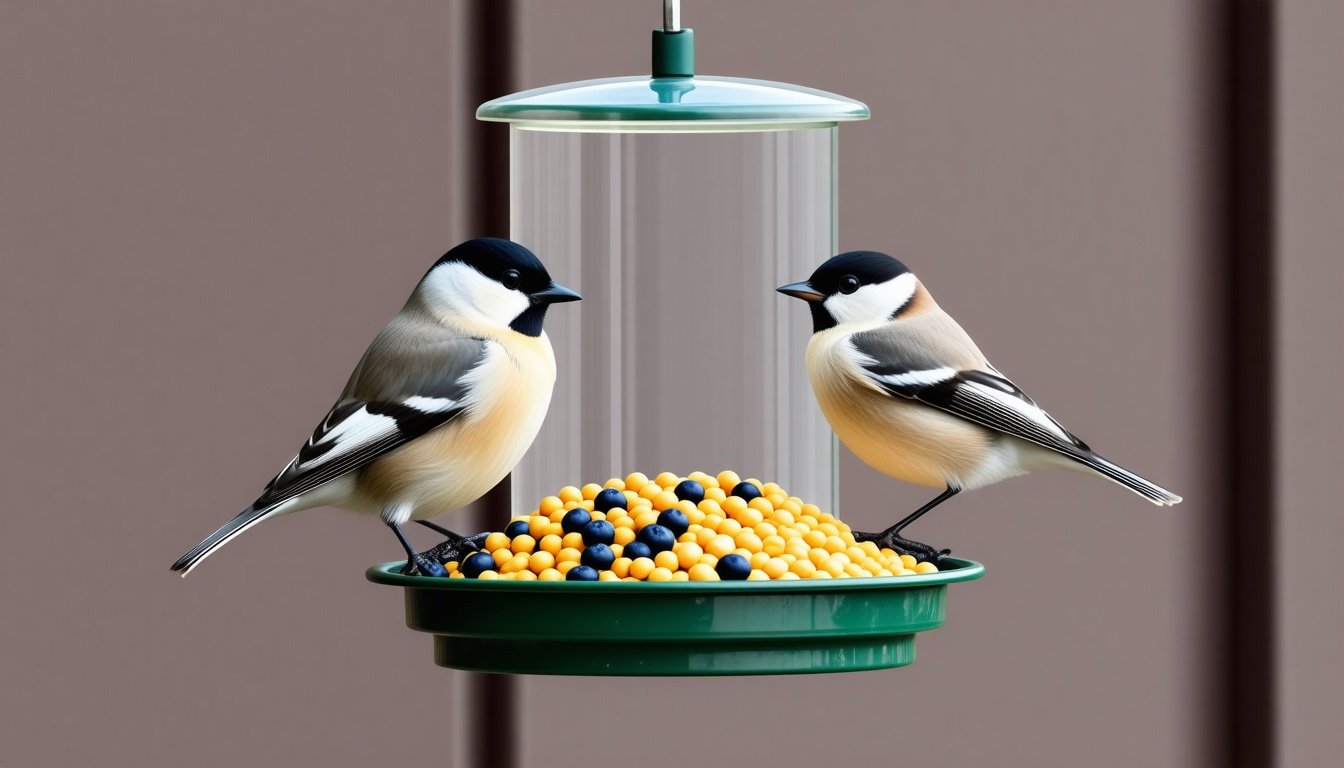
There is something about watching birds at the feeder that makes life feel a little less hectic. The way they flutter, hop, and sometimes squabble over a seed makes me smile, every time. But if you think just tossing out a bag of birdseed is enough, well, you might be missing out on some secret magic. Birds are picky little creatures, and guess what—they change their taste buds with the seasons. Yes, you heard right. What works in winter? Not always the same as what works in summer. Over the years, I have learned a handful of things about tweaking feeders and food, depending on the time of year and the particular birds visiting my backyard. You get a little smarter, a little more patient, and, honestly, a lot happier when you see your feathered friends thriving.
So, if you have a few bird feeders gathering dust or are just looking to keep your backyard birds happy year-round, this might be your kind of chat. I want to share what I have picked up about seasonal bird feeding, focusing on a few common species who come knocking (or flying) all year long at my place.
Winter Wonders: Feeding Birds When It Gets Cold
Winter is when bird feeding feels important in a way it does not always in warmer months. When the cold bites and the ground freezes, natural food becomes scarce. That means birds need energy-dense food to survive. You want to help them fatten up, keep warm, and hang tough till spring shows up.
The House Finch and Their Seed Obsession
House Finches might look small and delicate, but in winter, they are all about the calories. I learned this the hard way after setting out sunflower seeds on a warm spring day. The finches ignored them. But once the temperature dipped, they were all over the black oil sunflower seeds like they had been starved forever.
- Food tip: Black oil sunflower seeds are the MVP in winter. They have a thin shell, so the finches can crack them open easily. Plus, they have more fat, perfect for cold days.
- Feeder style: A simple tube feeder with small perches works great. Finches like to pick seeds one at a time, and a tube feeder keeps the food clean and dry.
Also, keep your feeder filled. I cannot stress that enough. A hungry bird is a worried bird, and they will get used to your routine. Running out of their favorite seeds on a chilly day is like pulling the rug out from under them.
Cardinals: The Showstoppers of Winter
Cardinals are like little red sparks against the snow. Their fiery feathers brighten up the dullest winter day. They have a soft spot for sunflower seeds and safflower seeds. But guess what? Cardinals are a bit bigger and bolder, so if your feeder is packed with tiny perches meant for little guys, they might just boss their way in and scare off the smaller birds.
- Food tip: Safflower seeds are a favorite, and the bonus is squirrels and some bigger birds tend to avoid them. That means cardinals get more of the good stuff.
- Feeder style: Platform feeders or hopper feeders with wider perches help cardinals feel comfy while they chomp away.
One winter, I realized my feeder was too tiny for cardinals. They kept knocking seeds to the ground, and I thought, what a waste! So, I upgraded the feeder size, and suddenly, more cardinals started showing up. Funny how a tiny change can make such a big difference.
Spring and Summer: Feeding for Growth and Nesting
When spring rolls around, birds do not just want food; they want food with a reason. The chill is gone, insects come back, and birds start nesting. Their feeding habits shift from just surviving to thriving—raising babies, rebuilding feathers, and getting ready for the dance of mating season.
American Robins and Their Buggy Cravings
Robins are the soundtrack of many spring mornings with their cheerful chirping. They love worms and bugs, right? During spring and summer, robins tend to ignore seeds in favor of live food. But do not despair if you do not see worms crawling around your porch. You can still help.
- Food tip: Mealworms, whether live or dried, work wonders. I learned that offering mealworms in a shallow feeding dish made the robins come hang out and snack. They look funny, the way they dive in like it is a buffet.
- Feeder style: Stick to shallow trays or dish feeders. Robins do not cling to feeders like little finches, so a flat feeding space with easy access is perfect.
Also, invite insects naturally by planting native plants that attract bugs. It is like setting up a five-star buffet for robins and many other insect-eating birds.
Blue Jays: The Summer Snackers
Blue Jays often get a bad rap for being bullies, but they also add color and crazy energy to the yard. In spring and summer, they snack on insects, nuts, and fruit more than seeds.
- Food tip: Peanuts (unsalted, please) and chopped fruit like apples or oranges are great. They also love suet with insects mixed in during warmer months.
- Feeder style: Platform feeders or suet cages are a good call. Jays can be bossy and big, so they like a space with room to spread wings and settle down.
One afternoon, I set out some fresh peach slices on a platform feeder. The blue jays swooped in, almost like they were excited to crash a summer picnic. Watching their antics felt like having a little party in my backyard.
Fall: Getting Ready for the Chill
Fall is like the big prep time for birds. They are loading up fat, deciding if they will stick around or fly south. Their food preferences start shifting back to high-energy and easy-to-store options.
Chickadees: The Year-Round Snackers
Chickadees are tiny but mighty. They are some of the few birds that stick around even in the toughest winter days. In fall, they bulk up but also start hiding seeds to save later.
- Food tip: Black oil sunflower seeds, suet, and peanuts work well. They also love niger (thistle) seed, but get a feeder that keeps it from spilling everywhere.
- Feeder style: Tube feeders with small holes and mesh feeders for suet. Chickadees like to cling and peek around gently while snacking.
Once, I caught a chickadee stuffing seeds into its tiny mouth, then flying off with a single seed in its beak. It was like watching a tiny secret agent. I am pretty sure they are the spies of the bird world—always gathering and stashing.
Goldfinches: Vibrant Fall Feeders
Goldfinches are bright, cheerful visitors in fall. They shift from eating mostly seeds to enjoying a rich mix, especially nyjer seeds. I found that putting out nyjer seed in mesh feeders made them come out in droves.
- Food tip: Nyjer seed is their all-time favorite. It is small but packed with energy.
- Feeder style: Nyjer feeders with tiny holes and perches to suit their little beaks.
I used to feel bad about empty feeders, but I now know that goldfinches and friends will only come when their favorites are out. So, no random seeds. Just give them what they truly want, and you get a party at the porch.
Why Changing Feeders Matters More Than You Think
A big lesson I learned is that birds are not one-size-fits-all in their eating habits. And they sure do not want the same things all year long. If you think your backyard feeder can stay the same from January to July, you might be missing out on the fun—and the chance to truly help them.
Changing feeders and food shows birds that you notice their needs. It means more visitors to watch, a livelier yard, and that warm feeling that comes with helping nature in a small but real way. Plus, it makes me feel like a better host, even if my guests have feathers and beaks instead of arms and smiles.
Little Changes, Big Impact
- Different food brings different birds. Vary your feedings with the seasons, and you might get new species dropping by.
- Right feeders keep food fresh and safe. If seeds get wet or moldy, birds will ignore them, which makes all your hard work pointless.
- A clean feeder is a happy feeder. Swap out feeders or clean them more often during wet seasons to avoid spreading disease.
Here is a quick thought: what if you thought of your garden as a bird café that changes menus all year? A little creativity and care go a long way. And the birds? They will thank you with their songs, pretty feathers, and endless visits.
Final Feed
So, what have I learned about changing feeders to suit birds through the seasons? It is all about paying attention—not just to the weather, but to the birds themselves. To watch, listen, and adjust. To give them what they need, when they need it. And to find joy in every visit, whether it is a tiny chickadee or a booming blue jay.
Winter brings the need for fat and seeds. Spring and summer shift to bugs, fruit, and growth. Fall is about storing and prepping for cold. And smart feeders? They help your birds eat comfortably and safely. Let your backyard become a place where birds feel welcome through every season. You will be amazed how much answers are right there on the porch, with wings, beaks, and a whole lot of heart.