
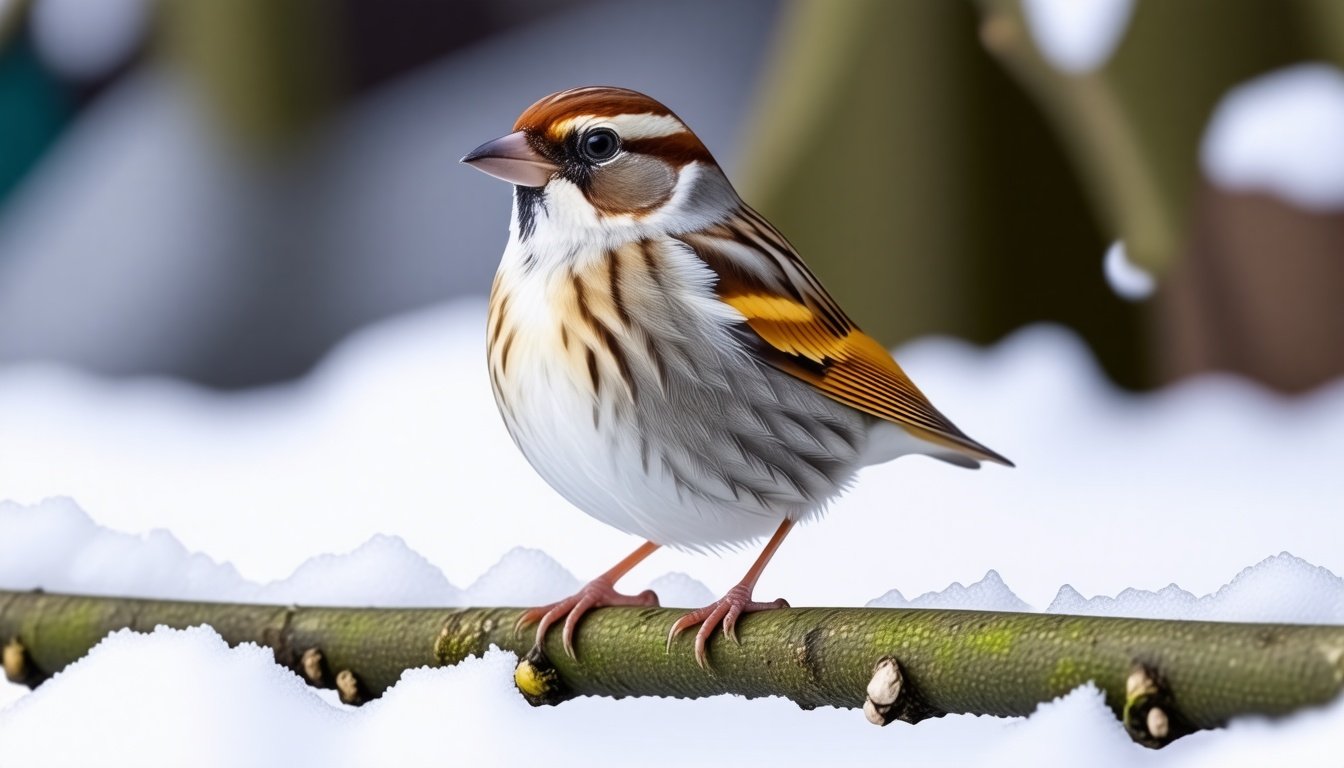
Have you ever watched a tiny sparrow fluff up its feathers, puff out its chest, and look like it is getting ready for a battle with winter? It is kind of adorable and brave all at once. Those little birds do not have the luxury of a warm coat or a cozy fireplace. Their survival depends on packing on enough energy before cold days and frozen nights show up uninvited. And here is where we step in, not as superheroes with capes, but as friends who care and want to help our feathered neighbors face the tough months ahead.
Helping sparrows bulk up before harsh weather is a simple act with a big heart, and oddly satisfying too. There is something about watching these tiny creatures visit your feeding station — their quick, bright eyes scanning, their little feet gripping seeds — that makes you feel connected to something wild and wonderful.
Why Do Sparrows Need Extra Fuel Before Winter?
Before we talk about what I offer the sparrows, it might help to understand why they need this little push from us in the first place. Sparrows are small birds and have fast metabolisms. That means they burn energy just by staying warm and moving around. When cold weather arrives, they have to work harder to keep from freezing. Their bodies need more calories to generate heat.
Almost like us craving comfort food on a gloomy day, sparrows need more fuel too. The problem? Natural food in the wild can become scarce when snow covers the ground or ice locks up the usual spots for insects and seeds. Without enough food, sparrows struggle to maintain their body weight, and that can be a literal life-or-death situation.
So, what do you do? You become a cheerleader and a chef. You give them a menu that is tasty, nourishing, and energy-packed. And maybe you get a little joy out of it yourself because watching sparrows thrive feels good. Really good.
What I Offer to Sparrows
Now, I know what you’re thinking. You want to help but not make things complicated or messy. Fair enough. The key is to create an inviting, easy-to-find buffet full of the right stuff so sparrows can eat well, stay warm, and build fat reserves before winter hits hard.
Seeds, Seeds, and More Seeds
If sparrows had a favorite food, it would be seeds. I keep a mix handy that I scatter or place in a feeder. Here are my go-tos:
- Millet: Tiny, easy to eat, and loved by sparrows. It is like their little candy.
- Black oil sunflower seeds: These have high oil content, which helps sparrows get more calories faster.
- Cracked corn: A bit bigger, but great for variety and energy.
The trick is to keep the feeders clean and the seeds fresh. Moldy or wet seed is no good and can harm birds. I usually shake out feeders after rain or snow and fill fresh seeds every few days. Sparrows appreciate it — and so do other backyard visitors who might stop in.
Soft, Nutritious Extras
Seeds are the main course, but I also offer extras that sparrows find enticing and healthy:
- Peanuts (unsalted): My sparrows love these. They are packed with fat and protein but be sure to chop them up; whole peanuts can be tricky for tiny beaks.
- Raisins and currants: A sweet treat rich in natural sugars for quick energy.
- Smeal suet cakes: Full of fat, these are perfect for cold days when sparrows need more warmth-producing fuel.
Sparrows might not be the biggest suet fans compared to woodpeckers or chickadees, but small pieces placed near seed feeders often attract them. Just imagine their delight when they find a little unexpected bonus to nibble on.
Water — The Often Forgotten Friend
We tend to think about food and forget water. But clean, unfrozen water is essential especially when snow and ice cover natural water sources. I keep a shallow birdbath, change the water daily, and sometimes add a small heated pad underneath to prevent freezing. Sparrows flock to this and sip with urgency as they prepare for chilly nights.
Water helps digestion and keeps sparrows hydrated, which is an important part of winter survival that many overlook.
Setting Up the Perfect Feeding Spot
Okay, having the right food and water is step one, but how you set it up matters too. Sparrows may be small but they are smart. They want safety, comfort, and good access without too much competition or danger.
Location, Location, Location
I place feeders somewhere visible but sheltered from strong winds if possible. Near a bush or tree gives sparrows a quick place to hide if a cat or hawk shows up. They want to feel safe but also have a clear view of their surroundings. It is like having your favorite eating spot at a café with a window view and a cozy nook.
Multiple Feeding Stations
When there are lots of sparrows or other birds around, one feeder is not enough. Setting up a few small feeders spaced around the yard stops competition from getting too fierce. Sparrows can eat in peace without constant squabbles.
This also helps spread out the seed and reduces waste on the ground, which can attract unwanted guests like rats or raccoons.
Keep It Clean
I know, cleaning bird feeders can seem like a chore. But it is worth it. Dirty feeders spread disease, and sparrows have little tolerance for that. I wash feeders weekly with hot, soapy water, rinse well, and let dry before refilling.
Even small efforts like this show respect for the birds. I like to think sparrows notice and come back because they feel cared for.
The Seasonal Twist — Adjusting the Menu as Weather Changes
The seasons shift, and so should your bird menu. What sparrows eat in late summer differs from what they need in November when nights start to bite. I tweak what I offer depending on the time of year:
Late Summer to Early Fall
- Focus on high-protein foods like mealworms and fresh seeds.
- Offer fresh fruits like chopped apples and berries to mimic natural foraging.
- Gradually introduce more fat-rich items so sparrows start storing energy.
Late Fall to Early Winter
- Increase fatty foods like suet and sunflower seeds.
- Offer chopped nuts and dried fruit for quick energy bursts.
- Keep water available and unfrozen as much as possible.
Deep Winter
- Maintain a steady supply of high-fat foods (sunflower seeds, peanuts, suet).
- Consider heated birdbaths or refreshing water stations often.
- Keep feeders full to reduce the energy sparrows spend searching for food.
Watching sparrows change their behavior and eating habits throughout the seasons is like witnessing a little natural story unfold in your own backyard.
Extra Tips for Helping Sparrows and Other Birds Bulk Up
Since this blog looks at seasonal feeding for multiple species, I thought it would be fun to share a few quick tips that apply not just to sparrows but our feathered friends in general:
- Mix it up: Different birds like different foods, so a variety helps everyone. Sparrows love seeds, but chickadees might want insects or suet.
- Offer shelter: Plant shrubs and trees or provide brush piles. They are perfect for hiding and resting.
- Watch and learn: Pay attention to which foods sparrows eat first and adjust your offerings accordingly.
- Be patient: Birds take time to find new feeders and trust new food. Keep at it, and they will come.
- Think natural: Whenever you can, plant native plants that produce seeds or berries. It helps birds all year round.
Why It Feels So Good to Help
Let me be honest. Helping sparrows bulk up before winter is not just good for birds. It is good for me too. There is a quiet magic in those moments when a tiny bird lands inches away and starts nibbling with trust. It reminds me that kindness is simple and powerful.
Also, it teaches patience, observation, and joy in small things. When the weather outside turns cold and harsh, knowing I have done something to ease the struggle of these little warriors warms my heart much more than a cup of hot tea ever could.
If you have a yard, balcony, or even a window ledge, why not try it? Put out a bowl of seeds, some fresh water, a bit of suet, and watch the sparrows come. You might find yourself waiting by the window more often, smiling a bit wider, and feeling a little more connected to the wild world just outside your door.
So here is my offer: help the sparrows bulk up before harsh weather. It is simple, it is fun, and it makes a difference. And just who knows? Maybe those sparrows will return next spring, singing your praises in their own little bird language.