
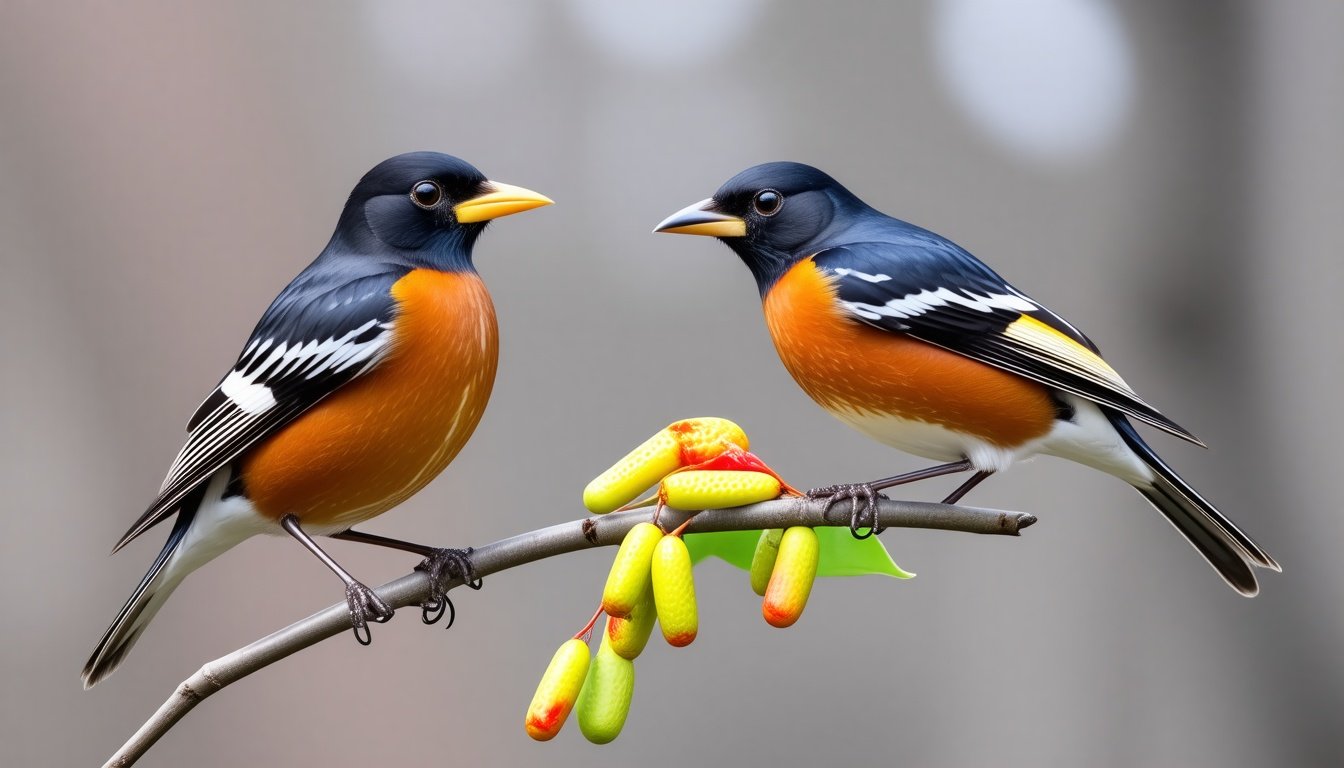
There is something utterly magical about watching orioles flutter around your garden, their bright orange feathers glowing like tiny sunsets. Last fall, I decided to treat these beauties to their favorite seasonal snacks. I did not just want to stick out some generic birdseed and hope for the best. No, I dove headfirst into the colorful world of oriole feeding—learning what they love most, what makes them come back day after day, and what you might not guess they enjoy at all. Spoiler alert: It is not just oranges and jelly.
If you have ever felt like feeding birds is a simple act of tossing seeds into a feeder, think again. For orioles, it’s an art—and a bit of a delicious science experiment. Their tastes in the fall tend to surprise even seasoned bird lovers. And the whole process taught me a lot about patience, joy, and the little moments of connection that happen when a flash of orange lands gently nearby.
The Allure of Orioles in Fall
Orioles are like the rock stars of the bird world. They show up just long enough to brighten your days with color and song, then they disappear like magic in the colder months. I started paying attention to which foods pulled them closer when the trees started turning red and gold. Fall is tricky because the easy summer fruits are mostly gone, and orioles get ready to migrate. What I learned is they become much pickier than I expected.
Early on, I thought feeding orioles was only about slicing oranges and smearing grape jelly on feeders. That is the classic image, after all, right? The truth is, orioles want more than just sweet stuff—they need fuel that gives them energy for those long flights ahead. Sugar is part of the deal, but not the whole story.
Feeding Orioles: The Sweet and Savory Mix
- Oranges and Citrus: Yes, orioles adore oranges. Slices of fresh orange or orange halves hanging from a feeder can lure them in like nothing else. But the fruit needs to be juicy and ripe, not bland or dried out.
- Grape Jelly: This is a crowd-pleaser for orioles, no doubt. They love the sweet, sticky texture and the burst of flavor. Spoiler: Concord grape jelly works best—not the cheap stuff you find on clearance.
- Insects and Protein: This is the surprise. Orioles need protein, especially as colder weather approaches. I started tossing in mealworms, both dried and live, and they could not get enough. This was a game-changer.
- Nectar and Homemade Drinks: Orioles sip nectar, but not the sugary, artificial stuff from hummingbird feeders. I made a homemade nectar with water, sugar, and a drop of orange juice. They loved it.
What got me excited was seeing how orioles approach these treats. They are smart little birds, and they remember what tastes good. They arrive cautiously, peck at the jelly, then fly away, only to return for more when they get comfortable.
Setting Up the Perfect Fall Oriole Buffet
I quickly learned that presentation matters just as much as the food itself. Orioles prefer to eat from feeders that are clean and easy to perch on. They like variety, too, so offering different options all around your yard can attract them more reliably.
My Go-To Oriole Feeders
- Fruit Feeders: These are mesh baskets or small trays designed to hold fruit halves or slices. It is fun to hang them from tree branches or your porch. I kept mine shining clean so mold did not creep in.
- Jelly Feeders: These little feeders have shallow cups just right for a spoonful of gelatinous goodness. They are usually bright yellow or orange to catch the bird’s eye.
- Mealworm Trays: A simple flat tray works wonders. I sprinkled dried mealworms, which are easy to store and do not spoil fast.
Something I did right from the start: I put these feeders in quiet corners of the yard. Orioles are shy at first. Loud noises scare them off, especially if they are new visitors. I made my yard a little sanctuary, and they rewarded me with regular visits.
What I Discovered About Orioles’ Fall Cravings
Here is the juicy part: orioles get tired of sweetness alone. Sure, sugary fruits and jelly bring them in, but they also crave diversity. I noticed some orioles would come for the oranges but ignore the jelly. Others focused on the mealworms or even certain berries I threw in. It was fascinating—like getting to know individual personalities.
One chilly afternoon, I set out slices of watermelon alongside the orange halves. The orioles seemed confused at first, then curious, then hooked. Watermelon is not a classic oriole snack, but I guess every bird has its mood swings.
This little experiment taught me something important. When feeding birds, it is good to offer more than one option. You never know what might become the star of the show on any given day.
Keeping Orioles Coming Back
Orioles are picky about freshness. I learned the hard way that fruit can spoil fast outside during fall mornings and evenings when dew and cold meet. I replaced food frequently, which felt like a morning ritual I started to cherish.
Another key: consistency. If you feed orioles regularly, they will think your yard is the best place in the world. Skip a day or two, and they are off to explore new spots.
One afternoon after a strong windstorm, all my orange slices were scattered and bruised. The orioles skipped the yard for two days. It felt like they gave me a polite frown—almost like a text message: “Hey, we love you, but come on.”
Why Feeding Birds Changes You
At first, feeding orioles was just about the thrill of watching those fiery feathers up close. But soon, it became something more—a little break from hustle and the noise of daily life. It is almost like the orioles reminded me to slow down, appreciate small wonders, and care in simple, consistent ways.
Bird feeding is not always glamorous. It includes cleaning feeders, refilling water, and sometimes feeling defeated when no birds show up for hours. But that is part of the charm. You show a little love, and in return, the world looks a bit brighter.
There is another lesson, too. Orioles taught me that nature has rhythms and moods just like people do. They might want jelly one day and juicy bugs the next. Flexibility counts.
Seasonal Bird Feeding: What Other Species Want in Fall
Since I started with orioles, I also began noticing what other birds in my neighborhood crave as the leaves fall. Every species has a unique story—just like orioles, feeding them without knowing their favorites can be a shot in the dark.
Robins: The Worm Lovers Who Adore Berries
- Robins are busy prepping for winter by feasting on earthworms and berries. Offer fresh berries like mulberries or cranberries, and you will have them singing all day.
- Mealworms also work for robins, especially as natural insect supplies dwindle.
Chickadees: Tiny Energy Machines
- Chickadees burn a lot of calories just being adorably bouncy. They want sunflower seeds, peanuts, and suet.
- In the fall, suet mixed with bits of fruit or insects gives them the boost they need.
Woodpeckers: The Pecky Protein Lovers
- Woodpeckers love suet and nuts, but fall is also when they hunt for beetle larvae and other bugs.
- Offering suet cakes with added mealworms can be a dream come true for them.
Watching birds adjust their diet with the change of season made me appreciate their survival skills and unique preferences. It also highlighted how important it is to offer fresh, diverse foods, not just sticking to a bag of seeds all year round.
Final Thoughts on Feeding Orioles and Friends
If you have a spot in your yard or balcony, take a moment to invite orioles and other birds with their favorite fall treats. It is a small thing with a big payoff. The vibrant orange flashes against a backdrop of pumpkin and rust-colored leaves, the quick flits and curious glances, the gentle pecking—all of it feels like a secret shared between you and the wild world.
Feeding orioles taught me patience, excitement, and quiet joy. It gave me new reasons to step outside, to wash a feeder, to slice an orange, to watch with bated breath. Maybe it will do the same for you.
So grab some oranges, jelly, and mealworms. Set up your feeders with care and curiosity. Watch orioles surprise you. And, for a little while, enjoy a friendship that is as fleeting and vibrant as autumn itself.