
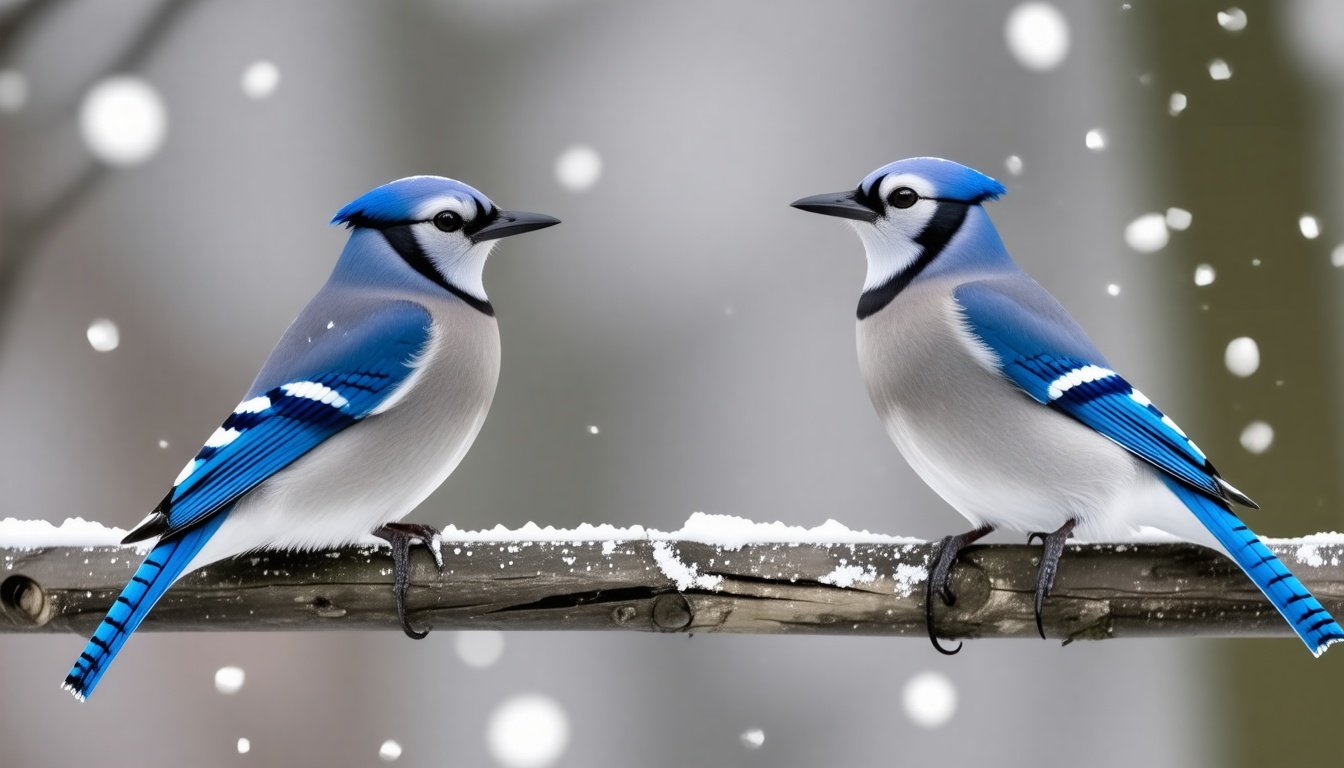
There is something quietly thrilling about watching blue jays in your backyard. These birds are like the drama queens of the bird world—brash, brilliant in color, and not shy about making their presence known. I find myself waiting by the window, coffee in hand, just to catch their latest antics. But feeding blue jays is an art, a little ritual that changes with the seasons, almost like tuning in to their mood and what their bodies crave as the world spins through the calendar. If you have a backyard or a tiny patch of earth that blue jays frequent, you might have noticed that what you toss out in the snow is not quite the same as what you scatter in the sunny days of spring. Or maybe you have not thought about it much, just feeding whatever seeds you happen to have, hoping the blue jays will show up.
Well, here is a little secret: the times you put food out can make all the difference in whether your blue jays show up for a meal or just give you a squawk and fly off, probably annoyed. These birds have real preferences and real needs depending on the time of year. And if you pay attention, feeding them becomes this connection, a simple way to share your space with them and maybe understand a bit more about their world.
Why Feed Blue Jays Differently Throughout the Year?
Blue jays are tough birds. They live in forests, parks, even your neighborhood trees. But their bodies change with the seasons, just like ours do. They need different kinds of fuel as the weather shifts and as their activities change. Winter is about staying warm and having energy. Spring is about rebuilding after the cold and getting ready to raise babies. Summer is busy, full of flight and food gathering, while fall is a mad dash to stash food away before the chill returns. Feeding blue jays without thinking about these cycles is like giving a marathon runner a sugary snack right before the race. You want to be thoughtful in what you offer and when.
It sounds simple, but it can also be fun. Changing what you feed each season keeps things fresh and also helps you learn what these birds really like. I have noticed that some foods are gobbled up immediately in one season, but ignored the next. That curiosity drives me to experiment and share stories.
Feeding Blue Jays in Winter
Winter is when blue jays are most in need of energy and warmth. The cold snaps and frozen grounds make it tougher for them to find natural food. This is when your backyard buffet can become their lifeline.
What They Love
- Peanuts: Shelled or unshelled, peanuts are a winter favorite. They offer high calories and fat, which is basically bird fuel on steroids.
- Sunflower seeds: Black oil sunflower seeds are rich, oily, and easy to crack open. Blue jays adore these.
- Suet: Suet cakes filled with seeds and nuts provide a solid punch of energy and warmth.
- Meaty treats: Sometimes, they like small bits of cooked bacon or dried mealworms, something meaty.
One thing I learned the hard way is you cannot just throw out watery fruits like berries or apples in frigid weather. The blue jays do not want to waste energy on snacks that won’t fuel them properly when it is freezing outside.
How To Present It
I like to put peanuts in feeders that are squirrel-proof if possible because squirrels get crazy in winter too. Suet feeders hung on branches are like candy shops for these birds. If you have a platform feeder, scatter sunflower seeds liberally. Watching blue jays stuff their pouches and hide food in the snow is a little winter show that never gets old.
What To Feed Blue Jays in Spring
When the world wakes up, everything shifts. Blue jays are gearing up for nesting and rearing babies. They are also spending more time in the trees, busy but hungry.
Spring Favorites
- Peanuts again: These remain a staple because the birds need fat and protein.
- Cracked corn: Easy for feeding babies and a good carbohydrate source.
- Soft fruits: Blueberries, strawberries, and even grapes become interesting treats.
- Insects: Mealworms or even live crickets are welcome additions, mimicking what they might find in the wild for their chicks.
Spring is a time when blue jays are more selective. They are focused on what will help their young grow strong. I remember once offering a mix of seeds and insects, and they disappeared quickly. But the next day, I tried just sunflower seeds, and they barely touched them. It is like they are making a grocery list and shopping accordingly.
Presentation Tips
I recommend mixing soft fruits with seeds on a platform feeder where the birds can perch comfortably. If you want to get fancy, put mealworms in a small dish right next to the feeder. Blue jays are curious and will investigate.
Summer Feeding Habits
Summer is the wild card. There is so much natural food around—the berries, the insects, the fledglings begging for food—so the demand changes again. Blue jays get more independent but still appreciate a backyard snack now and then.
Best Summer Foods
- Fresh fruits: Chopped apples, grapes, and peaches in bite-sized pieces.
- Insects: Mealworms remain popular, and if you are lucky, you might attract dragonflies or butterflies larvae, but that is nature’s game.
- Peanuts and seeds: Still appreciated, especially if it is unusually hot or dry and natural food is scarcer.
During summer I notice the blue jays visit less frequently but stay longer when they do. Maybe they are chatting or just relaxing in the shade, but having something fresh keeps them around and happy.
How To Offer Summer Treats
I give chopped fruit on a flat surface or platform feeder and keep water nearby. Hydration seems extra important in the heat, and they like a shallow water dish for quick dips or baths. Adding a few mealworms now and then also keeps the kids engaged, especially younger blue jays learning the ropes.
Feeding Blue Jays in Fall
Fall is the great prep time. Blue jays are busy caching food, getting ready for winter. They want foods that store well and pack a punch of energy for when times get tough. I watch them hide peanuts under leaves or in tree bark cracks, like little squirrels of the bird world.
Fall Menu Must-Haves
- Peanuts: Always the star, perfect for stashing.
- Whole corn: Encourages foraging and storing behavior.
- Acorns and nuts: If you can find ones that are not treated or toxic, blue jays love cracking open nuts.
Around this time, blue jays get more aggressive at the feeder, which reminds me to put out enough food before they get into a squabble. Maybe it is their way of saying, “We are serious about winter!”
Fall Feeding Strategy
Scatter food around the yard instead of one spot to encourage their natural burying instincts. It is fun watching them run around looking for their hidden treasures days later. Sometimes I even find their little stashes when raking leaves—unexpected presents from blue jays.
Some Random Thoughts on Blue Jay Feeding
Feeding blue jays is not just about the food. It is about watching their personalities unfold. The bossy ones that claim the feeder, the shy ones waiting for their turn, the cheeky ones stealing sunflower seeds right from under a squirrel’s nose. They show up when you respect their rhythms.
Also, patience goes a long way. Sometimes they ignore the feast you laid out for days, only to come back suddenly and feast like they have not eaten in a week. Maybe it is the moon, the weather, or just their whimsy. Who knows? But it is part of their charm.
One last thing: keep water available whenever you can. Blue jays need a drink and a bath as much as any bird, especially in summer and winter when conditions are harsh.
Wrapping Up My Blue Jay Feeding Journey
Feeding blue jays throughout the year has taught me a lot about paying attention—to seasons, to nature’s cycles, and to the little creatures that live alongside us. It is not a chore; it is a chance to slow down, notice, and give back to the birds that brighten my days with their flash of blue and their loud, goofy calls.
Next time you look out and see a blue jay landing on your feeder, think about what kind of day it is outside and what that bird really might want. Then, offer it something just right. You will be surprised how much difference it makes, not just in their visits, but in the quiet connection you create with the wild world right outside your window.