
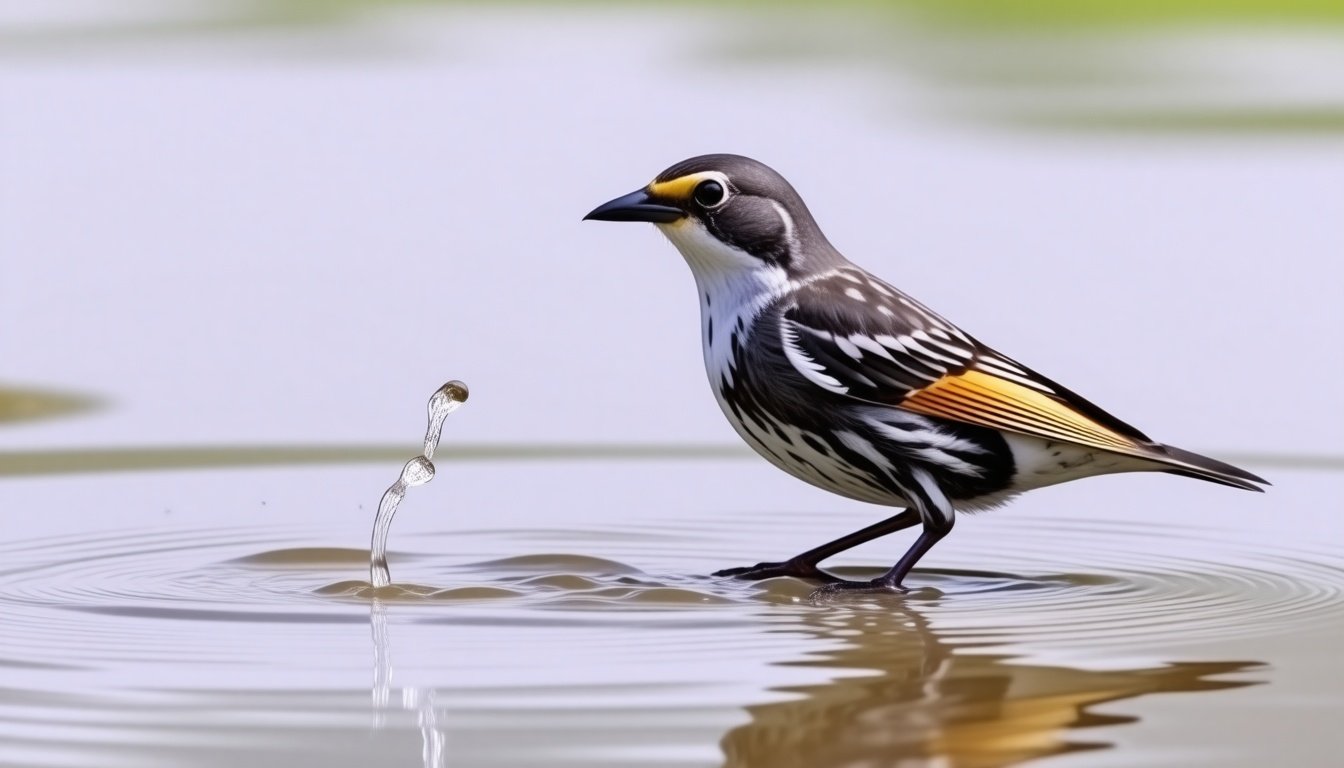
When the days start stretching longer and the sun turns warmer, I can feel it in my bones: those little feathered neighbors need a bit more care. Birds might look like they handle everything with carefree chatter and flitting wings, but warm weather can actually be pretty tough on them. Water, it turns out, is their lifeline—especially as temperatures climb. If you have ever watched a bird panting or seen them hang out near your dripping hose, you know exactly what I mean. Keeping birds hydrated becomes kind of my summer mission, and I have a few tricks up my sleeve. Spoiler: it is not just about plopping down a birdbath and hoping for the best.
Some birds sip daintily; others seem like they are guzzling from the sky. Different species have different needs, and once the sun decides to turn up the heat, I find myself tweaking my approach—because one size definitely does not fit all. So here is the story of how I keep my backyard birds wet, happy, and thriving as the thermometer climbs. If you have a soft spot for birds or just want your garden chirping with life all summer, stick around. This is not your usual “put out a bowl of water” advice.
Why Water Matters More Than You Think
Water is the ultimate survival ticket for birds, especially when the weather heats up. They lose water through breathing, sweating (yes, they do sweat, but not like us), and even just cooling off by flapping their wings. If their water intake does not keep pace with what their body loses, trouble starts. Dehydration makes them weak, slows their flying, and can even mess with their breeding.
When birds do not find enough water in nature—say, your usual puddles dry up or leaves hold less dew—they look for backup. If you provide it, it is like rolling out the welcome mat. They come. They drink. They sing louder. Honestly, it becomes one of the most uplifting parts of my day, watching them stop by for a quick sip or a splashy bath.
The thing is, water also acts like a temperature regulator for birds. Watching a cardinal dunk itself in a shallow bath and then fluffing out its red feathers? Instant joy. And it tells me I am doing something right.
Setting Up the Perfect Water Station
I do not just slap down a random bowl and call it a day. The setup matters. Here are four things I always keep in mind:
- Shallow is better: No bird likes to risk a deep plunge, especially small ones. If they think the water is too deep, they will walk away. I use shallow dishes or trays that are no more than 1 to 2 inches deep.
- Keep it clean: Algae and dirt not only turn birds off but can make them sick. I change the water every day, especially when the sun is high and things heat up.
- Location, location, location: Birds want some cover—a tree branch or bush nearby to quickly hide if a cat prowls. I place my water stations close to shrubs but open enough so they can spot danger easily.
- Moving water gets attention: Adding a dripper or small fountain creates sound and movement that birds cannot resist. Plus, moving water stays fresher longer.
Once those basics are in place, I think about who might visit. Different birds like different things, water included.
Seasonal Feeding and Hydration for Three Common Bird Species
I love watching the cast of characters that show up in my backyard throughout the year. Each species is a little individual, with special tastes and quirks. When the weather warms, I tweak my feeding and watering routines based on who I expect to see. Here are three bird species I look after the most, with my secrets for keeping them happy and hydrated.
1. The American Robin: The Early Songbird Sprinter
Robins are the early risers, the cheerful messengers of spring and summer. They are ground feeders, bouncing through lawns hunting for worms. When it gets warmer, their energy needs spike. You might see them gathering near your birdbath, gulping down water, or even enjoying a splash.
Hydration tips for Robins:
- Robins prefer wide, flat water sources because they like to land and walk around the edges.
- Keep water clean and fresh—muddy water or algae is a turn-off.
- Set up a shallow birdbath with about an inch of water, but be ready to refill during hot days.
- Adding chopped fruits or berries near the water attracts them and encourages hydration.
Robins also appreciate a bit of shade around water spots. On really warm days, I set up a small portable shade screen or sprinkle larger stones that stay cool to make the area inviting.
2. The Northern Cardinal: The Flashy Hydration Enthusiast
Cardinals are the bold, red jewels of the garden. They are a bit more cautious but love a steady water supply. Unlike robins, cardinals prefer perching spots near water so they can drink safely and watch for danger.
Hydration tips for Cardinals:
- Use water dishes with a gentle slope so they can hop in easily and splash around.
- Place water near dense shrubs or small trees—they feel safer that way.
- Keep water cool and fresh. On hot days, I add some ice cubes for a little extra chill.
- Birdbaths with rough surfaces or stones at the bottom help cardinals grip better and avoid slipping.
Another fun trick: put out extra sunflower seeds and cracked corn nearby. Hydrated cardinals seem more confident—and often come in pairs, which makes me smile a lot.
3. The Hummingbird: The Tiny Water Drinker With Big Needs
Hummingbirds may be party crashers because they need liquid in two forms: nectar and water. Their little bodies burn energy at a wild rate. Water helps them cool down, but they do not bathe like bigger birds. Instead, they love mist and droplets.
Hydration tips for Hummingbirds:
- Set up a misting system or spray a fine mist of water on leaves near feeders—it acts like a tiny rain shower they can sip.
- Change nectar every two days to prevent fermentation and bacteria growth, which can harm them.
- Place hummingbird feeders in partial shade so nectar does not spoil quickly.
- Offer a shallow dish with fresh water droplets or even a wet sponge to sip from.
I have found that hummingbirds also enjoy bathing in morning dew on flower petals if you have the right plants around. Watching them hover while cleaning their tiny bodies is something else entirely—like a liquid ballet.
Extra Tips for Keeping Bird Water Cool and Inviting
When hot weather stretches on, water can get warm, which birds do not like. Here are some little hacks I use to keep water cooler longer:
- Use ceramic or stone bowls: These materials stay cooler than plastic or metal in the summer heat.
- Rotate bowls: Keep a couple of water dishes going and swap them out when one gets too warm.
- Add floating ice cubes: Birds often enjoy pecking around the ice and will drink the cool water.
- Place bowls in shady spots: Under trees or near bushes where the sun does not strike directly for long periods.
Do not forget that lots of birds are picky about their water. If they turn away, try a different tub or location. Sometimes even a tiny change makes a world of difference.
Things to Avoid: Red Flags in Bird Hydration
It is easy to want to help birds but accidentally make things worse. Watch out for these common mistakes:
- Dirty water: It can spread disease faster than you can say “feed me.”
- Too deep baths: Can scare away smaller birds and even drown some of the tiniest visitors.
- Placing water too close to feeders: This can attract unwanted guests or predators.
- Ignoring predators: Cats and raccoons love birdbaths as much as birds do. Make sure birds can escape quickly.
Paying attention to these details keeps your water station a safe, welcome oasis.
Watching the Rewards Unfold
The best part about all this care is the payoff: birds flocking to your space, their feathers gleaming and their songs filling the air. You might catch a timid wren brushing against leaves after a bath or see a bold blue jay surveying the yard with wet wings. It feels like a little world where you contributed something meaningful.
Watering birds when the weather warms is more than a task. It is a quiet act of kindness, a moment where nature and heart meet. If you have a spot for birds in your life, this simple habit—water—can open up new ways to connect and care. Plus, it makes your garden feel like a tiny paradise, right outside your window.
So go ahead, set out that shallow bath, keep the water fresh, and watch the magic happen. Because in the heat, a cool drink means everything.