
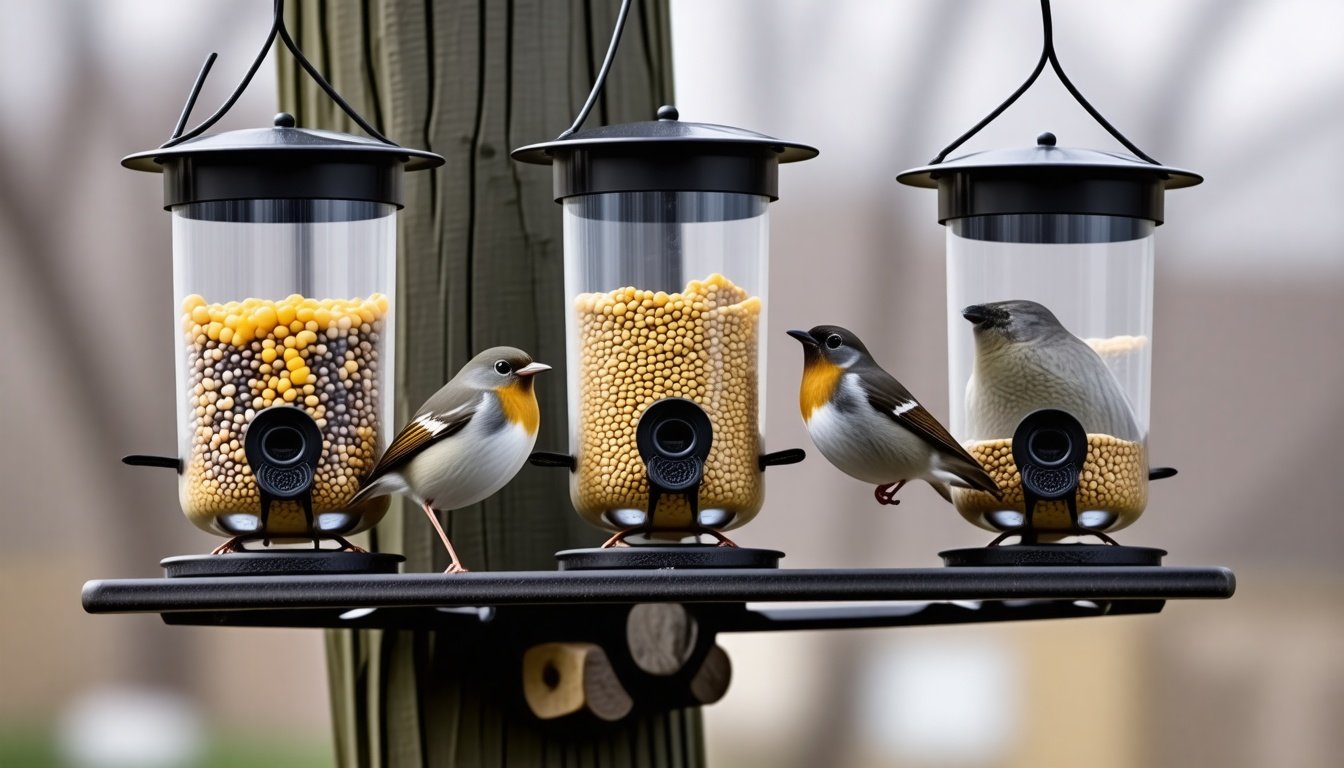
Bird feeders can be a source of endless joy—or endless frustration, depending on the season. I have learned this the hard way. For years, I was that person who switched out feeders every few months, chasing whatever bird seemed trendy or seasonal. I would stock up on sunflower seeds in spring, switch to suet in winter, and throw in millet during late summer, only to watch half the food go untouched or the wrong birds crash the party. Sound familiar?
Then something shifted. Instead of trying to cater to every bird migration and seasonal whim, I started focusing on a much simpler approach: keeping some feeders out all year round and tweaking others only when necessary. This change has brought me more birds, less waste, and, frankly, more peace of mind. I want to share my story of seasonal bird feeding and, more importantly, what I keep out no matter the month on the calendar.
Understanding Seasonal Feeders and Why They Matter
Birds do not all eat the same food. And their feeding habits shift with the seasons. Sounds obvious, but the catch is that not every backyard can—or needs to—follow this script to the letter. Most guides will tell you to swap out feeders with the seasons, but that can get messy fast. It is a big commitment to swap from hulled sunflower seeds to suet cakes to safflower seeds to nyjer seed, all while keeping track of who likes what when.
Seasonal feeders come in different shapes and purposes, designed to attract specific species or provide nutrients when natural food is scarce. However, the more feeders I tried rotating, the more I realized two truths:
- Some birds stick with certain foods no matter what season it is.
- Not every feeder needs to be a seasonal swap-out. Some can stay year-round with great results.
So, I leaned into the feeders that work all year and learned to spot the seasonal quirks only when they really mattered.
Spring and Summer: The Busy Bird Buffet
Spring is the party season for birds. Migration happens, babies hatch, and everything feels new and bright. You would think all birds prefer fresh insects and nectar, right? True, but lots of them still appreciate a reliable snack station.
What I Keep Out Year-Round in Spring and Summer
- Black Oil Sunflower Seeds: These are the rock stars. They attract a wide variety of birds—cardinals, chickadees, grosbeaks, even nuthatches. Birds love them, and they are packed with fat and protein, perfect for growing chicks and active adults.
- Fresh Water: Seems obvious, but it is easy to forget. Birds need water during hot months, and a clean birdbath or fountain keeps them coming back. Bonus points if you add a dripper or mister to simulate moving water.
- Nyjer Seed: This teeny seed is the gold standard for finches, like goldfinches and redpolls. It is tiny but mighty, and while it is often thought of as a winter treat, goldfinches actually love it in summer, too.
One thing I learned is to keep these basics available at all times. It is like leaving out a buffet where the birds know they can always grab a bite, especially when they are feeding hungry babies or taking a break from foraging.
Seasonal Tweaks for Spring and Summer
Okay, I admit—I do swap out some things in these months, but sparingly. For example, I might add some fresh fruit, like halved grapes or oranges, for orioles or tanagers if they are visiting. I also switch to a nectar feeder for hummingbirds once the weather warms up.
But I keep the foundation feeders—sunflower, nyjer, water—right on the porch or under the tree, rain or shine.
Fall and Winter: The Survival Mode Spreads
Fall and winter are another ballgame entirely. Food gets scarce, temperatures drop, and the backyard turns into a survival zone. Birds need food with higher energy to keep warm, and their diet shifts accordingly.
What I Keep Out Year-Round in Fall and Winter
- Black Oil Sunflower Seeds: Again, these never leave. They provide a steady source of energy and fat that many birds rely on during the cold. I have seen juncos, finches, and sparrows flock to these feeders on the coldest days.
- Suet Cakes With Seeds or Fruit: I keep a suet feeder up always, but I choose suet blends that include seeds or bits of dried fruit. This makes them appealing not just in winter but sometimes in the shoulder seasons too.
- Peanuts in Shell: Not shelled peanuts, but whole ones with the shell intact. Jays, woodpeckers, and titmice love sniffing these out. They chew through the shells and stash the nuts for lean days.
- Water (Heated Birdbath in Freezing Temps): Water is a lifesaver in winter, but it freezes quickly. I invested in a heated birdbath, and it changed the game for me. Birds camp there like it is a five-star hotel.
If you want to attract woodpeckers or jays in winter, this setup will work wonders. These birds seem to show up year after year, even in blizzards, when I keep this food out.
Seasonal Tweaks for Fall and Winter
On cold nights, I swap out feeders to add some more fat-rich options. For instance, fresh suet balls can be irresistible to woodpeckers and chickadees. Sometimes, I scatter cracked corn or millet on the ground to attract sparrows and doves that do not use feeders much.
But again, the basics stay. Every single day.
Special Feeder Tips for Different Bird Species
Feeding birds is part art, part science, and all joy. Different birds have different preferences—not just on food type but on feeder style.
Finches
Finches, like American goldfinches and pine siskins, absolutely adore nyjer seed. They have tiny beaks that handle this small seed perfectly. Use a tube feeder with tiny holes or a sock feeder designed for nyjer. These birds also molt and change plumage seasonally, so they often visit different feeders depending on the time of year, but I never stop offering nyjer.
Woodpeckers
Woodpeckers love suet and peanuts. They are acrobats, clinging to suet cages, pecking away. Make sure suet feeders are sturdy and placed on tree trunks or near branches where woodpeckers feel safe to land. I find they are shy about open spots but confident on rough bark.
Chickadees and Titmice
These little guys are curious and fast. They like sunflower seeds and suet but also prefer feeders with perches they can grip easily. Tube feeders with perch rings or hopper feeders are perfect. They hang out close to thick shrubs or trees, so place feeders nearby.
Cardinals
Cardinals are bold and beautiful. They love sunflower seeds, safflower seeds, and sometimes cracked corn. They are heavy birds, so a sturdy platform feeder or hopper works best. I keep a platform feeder out all year because cardinals come through even in winter, searching for easy food.
Hummingbirds
Hummingbirds are seasonal visitors in many places. They drink nectar more than seeds. I usually put a nectar feeder out from late spring to early fall. But the trick is to keep changing the nectar regularly—do not let it ferment or mold. They do not stick around in cold months, so the feeder comes down in late fall.
What I Learned About Always-On Feeders
There is a certain freedom in not feeling tied to swapping feeders every time the leaves change color. Year-round feeders become familiar landmarks for birds. They know where their food is, and I get the pleasure of watching their different behaviors across seasons.
Feeding birds year-round does not mean feeding them the same exact thing every day. It means providing a reliable base, then bringing in seasonal varieties as needed. That way, the birds always have a steady food supply, and I do not end up with piles of stale seeds or half-eaten suet.
Plus, having consistent feeders helps me keep the spot clean. I monitor seed quality, clear out moldy leftovers, and watch for signs of disease. Birds come back healthier, and visitors to my yard become part of the family.
Some Random Thoughts From My Birdfeeding Journey
- Feeding birds is one of those hobbies where patience pays off. Do not expect a full party on day one. Birds take time to discover new feeders.
- Cleaning feeders regularly saves a lot of hassle. Mold or bacteria can kill birds faster than cold weather.
- Seed quality matters. Cheap seed often has filler and dust that birds spit out. Spend a little extra for better seed, and you will see more visitors.
- Watch the weather. If you live somewhere snowy or cold, add some extra fat-rich foods like suet and peanuts.
- Be ready for surprises. I once had a cedar waxwing swoop in for sunflower seeds in late November, and that was a magical moment.
The Bottom Line: What I Keep Out Year-Round
Here is the nitty-gritty, my no-fail list:
- Black oil sunflower seeds
- Fresh water (heated in freezing weather)
- Nyjer seed (especially for finches)
- Suet feeder with seed/fruit blend
- Peanuts in the shell
- A sturdy platform or hopper feeder for cardinals and chunky birds
These basics attract a variety of birds no matter the month. From sparrows in winter to orioles in summer, this setup is my simple secret to a lively yard.
If you are thinking about starting a bird feeding habit or tired of swapping feeders so often, try keeping a few reliable feeders year-round. Add a couple seasonal extras when you want, but trust me, the birds will figure it out, and you will get a lot more of the good stuff—moments of delight outside your window, daily reminders that nature does a lot of the heavy lifting if we just let it.