
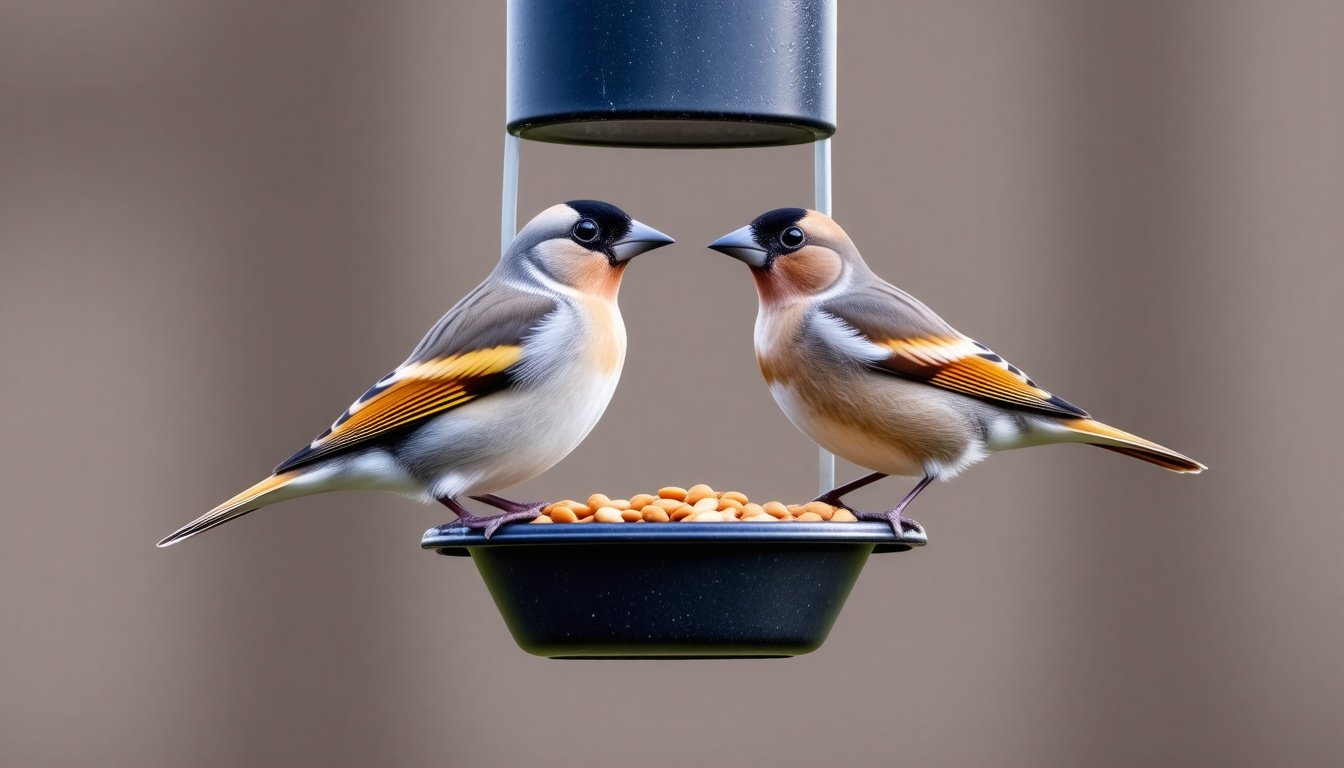
There is something magical about early spring that never fails to tug at my heartstrings. After months of gray skies and frozen mornings, the world begins to whisper promises of warmer days and new life. For me, one of the sweetest parts of this seasonal change is the chance to fill my backyard feeders with seed mixtures designed to attract one of my favorite groups of birds: finches. Those tiny, flitting bundles of color, bright and lively, have a way of making even the groggiest morning feel like a celebration.
Feeding finches in early spring is not just about scattering seeds—it is more like setting a delicate scene, inviting wild little guests who seem to appear almost by magic. But it took me a few seasons to figure out the right mix, the perfect timing, and the simple pleasures of this delicate dance with nature.
Why Finches? Why Early Spring?
Finches have always held a special place in my heart. Maybe it is their cheerful chirps, their bright yellow, red, or purple feathers, or the way they bob and hop around a feeder with such serious intent. I find their presence soothing, almost like a gentle reminder that life is bustling beyond the walls of my house. But early spring feels like the perfect moment to pull out the seed mix and start inviting these feathered friends in. Why? Because finches are waking up after winter, often hungry, and eager to refuel before the nesting season begins.
It is funny how many people wait until summer, when flowers bloom and butterflies flutter, to really pay attention to backyard birds. But early spring truly feels like a fresh start, a chance to sneak in a few birdfeeders before the chaos of summer. Plus, feeding finches early has its perks—less competition from squirrels and bigger birds, more smiles for me.
The Seed Mix Shuffle: What Works Best?
I remember my first try. I bought a generic birdseed mix from the supermarket, spilled it into the feeder, and waited. And waited. And waited. Days passed. I saw a couple of sparrows and a cheeky blue jay, but no finches. It was disappointing, but also a lesson. Finches are picky eaters, more than I expected.
After some reading and chatting with other bird lovers, I learned that finches have a soft spot for certain seeds. Here is what finally made my feeder the finch hotspot I dreamed of:
- Nyjer seeds: These tiny black seeds are like candy for finches, especially goldfinches. Their high oil content gives the birds lots of energy. The catch? Nyjer can be expensive and tricky because it is so small it falls right through traditional feeders. Specialized feeders with tiny holes do the trick.
- Black oil sunflower seeds: These are another favorite. Black oil sunflower seeds have thin shells, making them easier for finches to crack open. I had some luck mixing these with nyjer and getting a bigger crowd.
- Thistle seeds: Finches adore thistle, which is why many commercial nyjer mixes also call it thistle seed. It is super tiny but packed with nutrition.
- Millet seeds: While not a finch favorite, millet can help attract other smaller birds to keep the ecosystem lively—and that usually means more eyes watching the feeder.
My current mix is about 60 percent nyjer, 30 percent black oil sunflower, and a sprinkle of millet. I keep it simple and fresh, because finches are really not into stale, moldy, or smelly food. And yes, cleaning the feeder regularly is just as important as the seed itself.
Where to Place the Feeder?
This was not obvious either. I tried every spot I could think of—from right by my kitchen window to the farthest corner of the garden. I learned a few things:
- Finches love a spot near shelter—shrubs, small trees, or a covered porch help them feel safe from hawks.
- They are shy and do not like feeders where cats or other predators can sneak up on them easily.
- Placing the feeder in sunlight helps keep the seeds dry and attracts more birds because finches seem to enjoy basking too.
- Make sure the feeder is not too close to other noisy bird spots. Finches prefer a bit of peace.
My favorite location is under a gentle maple tree, with a nearby bush for quick hiding. It feels cozy, and I get a front-row seat from my kitchen window. It is like they know I am watching, too.
Early Spring Challenges
Feeding finches in early spring is not always smooth sailing. The weather is tricky—warm one day, bitter cold the next. Sometimes, a late snowfall covers the ground and forces the birds to look for food elsewhere. Once, right after I refilled my feeder, a big gust of wind dumped the seeds all over the ground. Instead of being upset, I watched the finches happily dive-bomb the scattered seeds, making a mess but enjoying a feast.
Also, other critters discover the food too. Squirrels are some of the biggest nuisances, digging around and gobbling down seeds with zero shame. I had to upgrade to a squirrel-proof feeder. Then, the neighborhood raccoon decided to check it out at night, so I started bringing feeders inside after sunset.
Through it all, I realized that patience is the secret sauce. Birds will come when they want to, not when I demand it. Sometimes, a finch will show up for a few days, then vanish for a week. Other times, a steady flock hangs out like old friends. Talking to other bird lovers helped me see that this unpredictability is part of the fun.
Watching Finches Up Close
One of the best parts of feeding finches in early spring is the sheer joy of watching them. Their tiny feet gripping the feeder, the way their feathers puff up in the chilly air, their quick pecks and hops. There is a kind of poetry in their frantic little movements, like a tiny dance celebrating the return of better days.
And the colors—that stunning yellow of the American goldfinch males, especially during spring plumage, is like sunshine with feathers. I learned how to spot the difference between male and female finches, how to recognize the house finch with its rusty red head, and even the occasional purple finch that feels like a rare visitor from a secret world.
Sometimes, I feel grateful, almost teary, that these tiny creatures trust my backyard enough to eat from my feeders. It feels like a little connection to the wider world outside my daily routine, a reminder that life is always happening, quietly and beautifully.
Tips if You Want to Start Feeding Finches in Early Spring
- Buy quality nyjer or thistle seeds designed for finches. Generic mixes often do not cut it.
- Invest in a finch feeder with tiny holes so seeds do not spill out and remain fresh.
- Clean the feeder regularly to prevent mold and disease.
- Place your feeder near bushes or trees for cover, but safe from hungry cats.
- Be patient and watch quietly—you might be surprised how soon they show up.
- Expect some visitors who will steal seeds, but it is part of the backyard ecosystem story.
- Enjoy the small, unpredictable moments. Feeding birds is as much about your peace as theirs.
Feeding finches in early spring is not about rushing or forcing nature’s timetable. It is about opening a little door, leaving a bit of food and space, and then sitting back to enjoy one of nature’s simplest joys. It makes me feel like I am part of something bigger, a tiny moment of harmony between human and wild at the edge of a new season.
Next spring, I will be ready again—seed mix in hand, feeder hanging just so, and eyes wide open for those bright flashes of color that promise life is on its way. Until then, I will keep dreaming of finches and the gentle rattle of seed spilling into a quiet morning.