
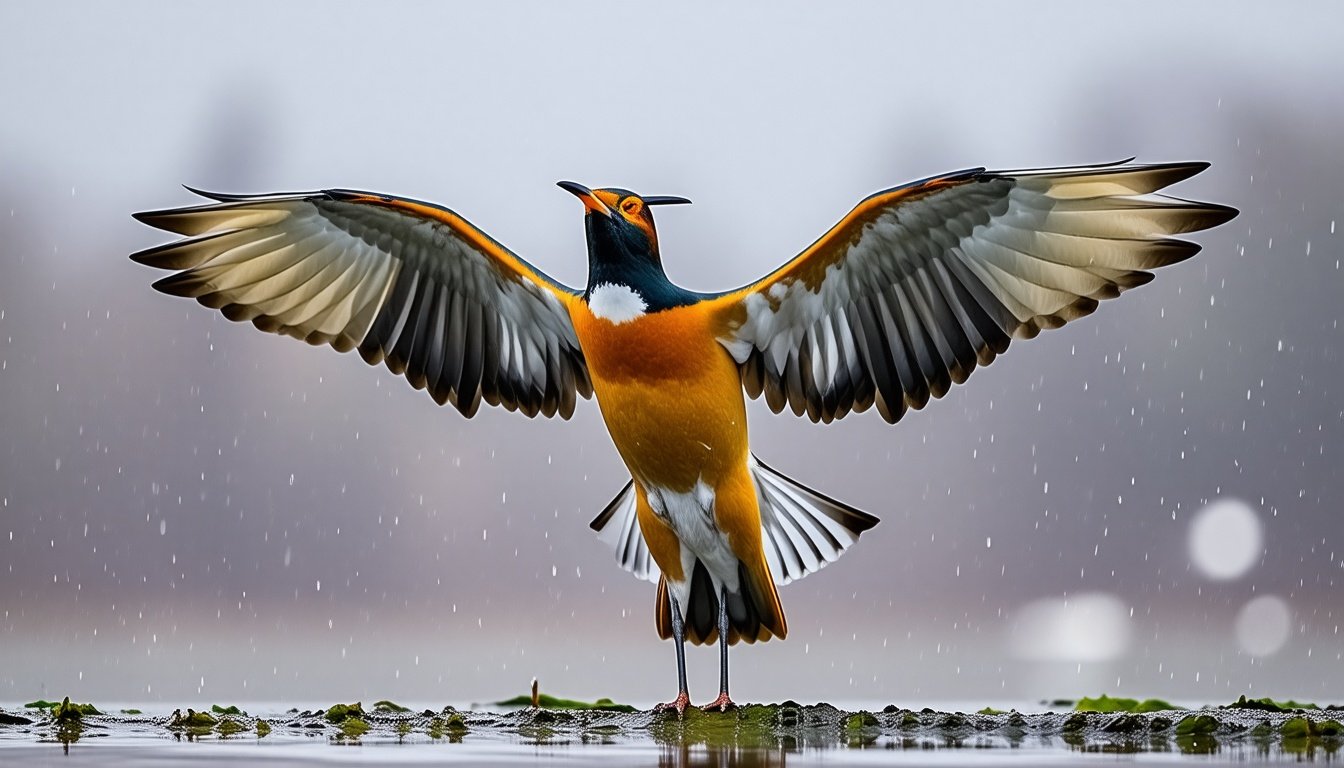
Ah, early spring. The world is waking up, frost is melting, and if you are lucky, you get to hear the cheerful chatter of migratory birds making their grand return. There is something magical about that moment. After months of cold silence, suddenly the skies fill with tiny wings and bright feathers. For me, it is the season of hope, new beginnings, and yes, bird feeding. But unlike the usual “scatter some seeds and wait” approach, I like to take a little extra care with my winged visitors, especially in early spring when their needs are different and their journey far from over.
If you ever thought feeding birds is just throwing some crumbs and watching them peck, think again. Feeding migratory birds in early spring is like setting a small but essential restaurant that caters to very special guests—guests who have just flown thousands of miles and need the right kind of fuel to keep going. There is no one-size-fits-all here. Different species have different tastes and needs. And because it is early spring, nature is still waking up too, so you actually help fill in some of the gaps left by the slow return of natural food sources.
So, pull up a chair. I am going to tell you how I feed migratory birds during early spring, with a little season-specific insider knowledge on some of my favorite species. It is simple, it is fun, and if you love birds even half as much as I do, you will find joy in making this small part of their journey easier and happier.
Why Early Spring Matters to Migratory Birds
Most of us think about helping birds feed in winter because everything is covered in snow and food is scarce. True. But early spring is tricky in its own way. Think about it. The birds are tired. They have traveled long distances. Their bodies are low on energy. The places they fly to have not yet bloomed with insects, berries, or fresh seed heads. It is like arriving at a restaurant only to find it closed for the season.
That means the birds need extra help to rebuild their strength. They need food that gives them energy fast but also supports their overall health. And since they are in a delicate phase between surviving their journey and preparing to nest, quality matters a lot.
Feeding migratory birds in early spring is, to put it plainly, a small kindness that can make a big difference. It encourages them to stay longer, gives them energy to find mates and territories, and helps them build the muscle and fat they need to survive the coming seasons.
My Favorite Early Spring Migratory Birds and Their Feeding Needs
Now, let’s get personal. Here are a few migratory birds I love feeding in early spring, and how I cater to their unique tastes.
1. The American Robin: The Harbinger of Spring
If you live in North America, you have probably spotted the American Robin by now. Those bright orange breasts popping against the bare trees signal that spring is near. Robins are omnivores—they eat worms, insects, and fruits. But in early spring, worms are still hiding deep in the ground, and insects are just waking up.
What I do is a mix of fruit offerings and some protein-rich snacks. I like to put out small chopped apples or berries (fresh if I can find them, or frozen-thawed if not). Also, soaked raisins work wonders. For protein, mealworms are a favorite—it is like bird candy, rich and easy to digest. I buy dried mealworms and soak them in water overnight so they are soft for the birds.
Robins are shy at feeders, so I scatter the food on flat surfaces like a platform feeder or even the ground near bushes where they feel safe. Watching them hop around, pecking happily, feels like a quiet celebration of spring.
2. The Yellow-rumped Warbler: Tiny but Mighty
Yellow-rumped Warblers are fascinating little birds. They are among the first warblers to arrive in early spring and can handle colder weather better than many others. They have a unique ability to digest waxy berries that most birds avoid, but they also love insects.
Since early spring bugs are scarce, I offer some suet mixed with dried fruit and small seeds. Suet provides fat and energy which are perfect for shivering little bodies recovering from migration. I have a suet feeder hanging by my porch, and I toss a mix of blackberry or cranberry bits into it. The warblers come in flocks and the sight of their bright yellow rump flashes among the branches is a small miracle every time.
3. The Cedar Waxwing: The Fruit Lover
If you have never seen a Cedar Waxwing, you have missed out on one of spring’s delights. These birds are smooth, elegant, and a bit mysterious. They are fruit-eaters, almost exclusively. Early spring is the tough time for them because most berries are still sparse.
I like to provide them with small, soft fruits such as grapes, blueberries, and chopped cherries. They love fruit skewers—yes, a skewer with grapes and blueberries threaded onto it. I hang it in my backyard and wait. They often come in groups, moving from fruit to fruit with delicate precision.
Waxwings also need water, so a shallow birdbath warmed in the sun or occasionally changed with fresh water gets a lot of action. Watching their sleek bodies and soft calls feels like being part of a secret club—a club that honors spring’s return.
Simple Tips for Feeding Migratory Birds in Early Spring
Here are some little things I keep in mind when I set up my spring bird buffet. You might find them helpful too.
- Freshness is key: Offer fresh food daily or every other day. Early spring temperatures can make food spoil quickly, and nobody wants a tray of moldy berries.
- Keep it clean: Wash feeders regularly to prevent diseases. Birds travel a lot, and with them comes a risk of spreading germs.
- Water, water, water: A clean, shallow birdbath can be a lifesaver. Early spring water sources can be frozen or dirty.
- Provide shelter nearby: Bushes, trees, or small shrubs give birds a safe place to rest after snacking.
- Be patient and quiet: Migratory birds are wary. Lots of noise or sudden movements will scare them away.
- Avoid mixes with fillers: Some seed mixes have too many fillers like wheat or milo. Birds usually leave those and waste food.
Making It More Than Just Feeding
Feeding migratory birds in early spring gave me something unexpected. Not just joy from seeing the birds, but a connection to the rhythm of the earth. It made me feel part of something much bigger, a promise of warmer days and fresh beginnings. It teaches patience and presence. I learned to watch closely—not just what they eat, but how they behave. Which birds are bold? Which ones prefer to hide? Which ones come back day after day?
There have been mornings when I sit with a cup of tea, a little chilly but happy, listening to the birds sing and chatter. It feels like a quiet celebration of life’s persistence. And feeding them feels like whispering a thank you to the universe for carrying these travelers safely back home.
Final Thoughts
If you want to give migratory birds a helping hand in early spring, remember it is not about quantity but the right kind of food, the right little environment. It is a small act with an outsized effect. Start simple. Pick a few foods they love for your local species. Keep the feeders fresh and inviting. Add water and shelter.
Before long, you will find your yard buzzing with life again, a little oasis of hope and wings. Feeding migratory birds is not just about feeding. It is about welcoming old friends, celebrating survival, and feeling nature’s pulse in your own backyard. Try it. You might be surprised how much it means to you—and to them.