
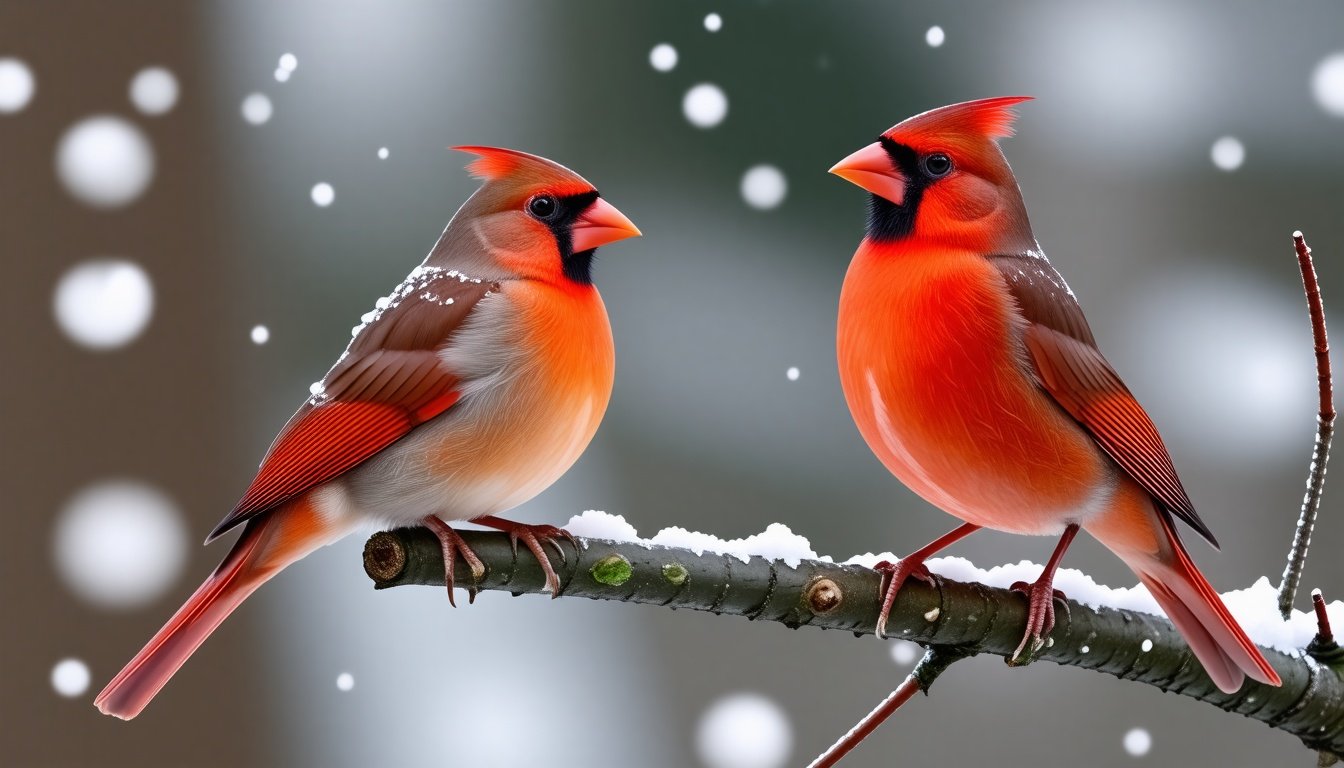
Have you ever stood by your window on a chilly morning, watching a little red flash darting through the trees? Cardinals are like tiny bursts of happiness, no matter the season. But feeding these bright feathered friends is not something you just set and forget. Nope. It changes, just like the weather outside. Believe me, I have learned this the hard way, watching a hungry cardinal flutter around, confused by what I put out last week while the temperature was way different.
Feeding cardinals is a bit like cooking for someone with a changing appetite. They want comfort food in winter but crave variety when spring wakes up, and forget about it—they get picky in the heat of summer. It got me thinking: how does the seasonal weather shape what I do for my scaly, feathered red pals? And more importantly, how can I make sure they get exactly what they need to thrive all year round?
Here is the thing: weather is not just a backdrop for bird watching; it literally rules what the birds want, and more surprisingly, what they need. It is simple biology mixed with a bit of nature’s mood swings. Feeding cardinals across spring, summer, fall, and winter? It is like switching wardrobes for your favorite meal. So let’s get into how I tweak my feeding routine with the seasons and how you might want to think about it too.
Winter Wonders: When Every Calorie Counts
Winter is the ultimate test. It is cold. Food is buried under snow. Water freezes. You would want a hot meal too if you were a cardinal. These birds burn tons of energy just trying to stay warm. Their tiny bodies need fuel that keeps them cozy through the long, harsh nights.
So what do I do? I go heavy on the calories. Sunflower seeds are my go-to. Black-oil sunflower seeds, to be specific. They are like bird candy packed with fat and protein. Cardinals love them because they can crack open the shells easily with their strong beaks. Plus, those seeds are reliable—they do not spoil quickly in cold weather, which is perfect for those freezing mornings.
I also scatter some safflower seeds now and then. The white seeds do not attract squirrels as much, which is a win. Oh, and I toss a handful of peanuts around. Not the salty ones, just plain peanuts. Cardinals enjoy them, and they are a good source of energy.
One of the things I learned over time is that water is just as important as food. During winter, I keep a heated birdbath or a shallow dish with fresh water close by. Frozen water is like a desert for birds in snow, and no bird wants to come for a meal and find no drinkable water.
Also, I avoid fancy seed mixes for winter. They often have sunflower chips which might be tasty but are not packed with the same whole nutrition. Think of it like serving chips when you actually need a steak.
Winter Feeding Tips
- Focus on high-fat, high-protein foods like black-oil sunflower seeds and peanuts.
- Provide fresh, unfrozen water daily.
- Keep feeding stations clean to avoid spreading disease.
- Use feeders with covers to protect seeds from snow.
- Scatter food in sheltered spots offering wind breaks.
Springtime Shift: Fresh Starts and Breeding Needs
Spring is when the world wakes up, and so do the cardinals’ appetites for variety. They are nesting, mating, and busy building families. Their nutritional needs change again. Suddenly, it is not just about stuffing their faces to survive—it is about building the next generation.
At this time, cardinals want not only seeds but also fresh insects. If you have a garden, you might notice your yard humming with bugs. Cardinals eat caterpillars, beetles, grasshoppers—the bird equivalent of protein bars. While I cannot throw out a bug buffet (who wants to mess with that?), I can help by offering mealworms. Yes, actual live or dried mealworms sold at bird stores. It is like handing out tiny power snacks.
Also, I bring in some cracked corn and millet. These seeds are easier to digest and add some variety to the menu. They are perfect for feeding both adults and young cardinals who are learning what to eat.
One funny thing I noticed is how much more active the birds become in spring. They flutter around more, squabble occasionally, and seem extra curious about the feeder. It made me realize that my choice of feeder placement mattered more than ever—near shrubs or trees where they can quickly take cover if they spot a hawk.
Spring Feeding Tips
- Introduce protein packs like mealworms to mimic natural insects.
- Add cracked corn and millet for seed variety and easy digestion.
- Place feeders near shrubs or trees for quick cover.
- Clean feeders twice a week to avoid mold from spring rains.
- Consider limiting feeding times during heavy natural food availability to encourage foraging.
Summer Scene: Cooling Off and Hydration Game
Summer is tricky. The days are long and hot, and cardinals are still raising their young. Food is usually not a problem because gardens and trees explode with natural bounty. Yet, they are thirsty and need easy-to-find water spots because dehydration can sneak up fast when the sun blazes.
So, instead of focusing primarily on seeds, I focus on hydration support. I keep a clean birdbath filled and sometimes add a shallow dish with clean water. The birds love to bathe and cool off. Watching them splash around feels like having tiny red jets of joy zooming in my yard. They look so happy, and honestly, so do I.
The food remains important, though. I cut back the sunflower seeds and offer more millet and fruit. Cardinals adore fresh berries—blueberries, raspberries, or even chopped grapes. Fruits give them a sweet and refreshing treat that helps them stay hydrated. I try to avoid anything too sugary or sticky because it attracts ants and bees, which I do not want competing at the feeder.
At this time, I also avoid filling feeders to the brim. Food left out too long in the heat can spoil quickly and might attract unwanted pests or mold. It is a balancing act between generosity and safety.
Summer Feeding Tips
- Provide plenty of fresh, clean water for drinking and bathing.
- Offer fresh fruits like berries and grapes as treats.
- Reduce sunflower seeds slightly to encourage natural foraging.
- Refill feeders frequently but in smaller amounts to prevent spoilage.
- Keep the feeding area clean to avoid attracting pests.
Fall Finale: Preparing for the Chill
Fall feels like the calm before the winter storm. Birds sense the change in the air, and cardinals start to fatten up. Leaves crunch underfoot, and the world turns golden. It is a perfect time to reset feeding habits for the coming cold months without rushing.
I start mixing seeds again heavily here. Black-oil sunflower seeds return as the star player. I also add safflower seeds back because cardinals enjoy their tough shells and unique taste. Plus, safflower seeds tend to discourage pesky squirrels, which come out in full force wanting free food.
One thing I watch carefully is the feeder location. As the daylight shortens, cardinals become more cautious. I try to position feeders near thick bushes or evergreen trees. They need places to hide fast if a hawk decides it is snack time.
In fall, I also keep water available but pay less attention because natural sources are usually still present and open at this point. However, I prepare to keep water from freezing by investing in a heated bath or changing water often if the temps drop suddenly.
Fall Feeding Tips
- Increase high-energy seeds like black-oil sunflower and safflower.
- Place feeders near dense foliage to provide cover.
- Begin monitoring water sources as temperatures drop.
- Keep feeders clean to avoid mold from autumn rains.
- Feed consistently to help birds bulk up for winter.
Why Does All This Matter?
You might wonder why changing what and when I feed cardinals is such a big deal. Well, birds have delicate balances. They depend on the right foods at the right times. Give them the wrong stuff, and they may waste their precious energy or worse, get sick. Also, good feeding habits encourage healthy populations to stay around year after year. It is like feeding your neighbor’s cat with the right food—you want it to be strong, healthy, and happy.
Besides, watching cardinals enjoy their meals makes me feel connected to nature in a deep way. Their bright red feathers against the dull winter trees are like a promise that life perseveres. Changing my feeding routine with the seasons keeps this beautiful ritual alive and thriving. And honestly? It makes me happy too.
Extra Little Tips That Make a Difference
- Mix up feeder types: platform feeders, tube feeders, and ground trays all attract different birds and suit different seasons.
- Keep feeders clean and dry. Mold is a nasty enemy to bird health.
- Try to avoid processed or salty human snacks. Those are not for birds.
- Plant native shrubs and trees that provide natural food and shelter year-round.
- Enjoy the quiet moments watching their antics—it is free therapy.
In the end, feeding cardinals through the seasons is a little dance with nature. It requires paying attention, adapting, and a lot of love. But the payoff is worth it every time I see that fiery red flash in my yard, knowing I helped a tiny heart beat strong through cold, heat, and everything in between.
So next time you think about tossing seeds out, think about the weather, think about the season, and think about what those cardinals really need right now. They will thank you with songs, colors, and endless joy.