
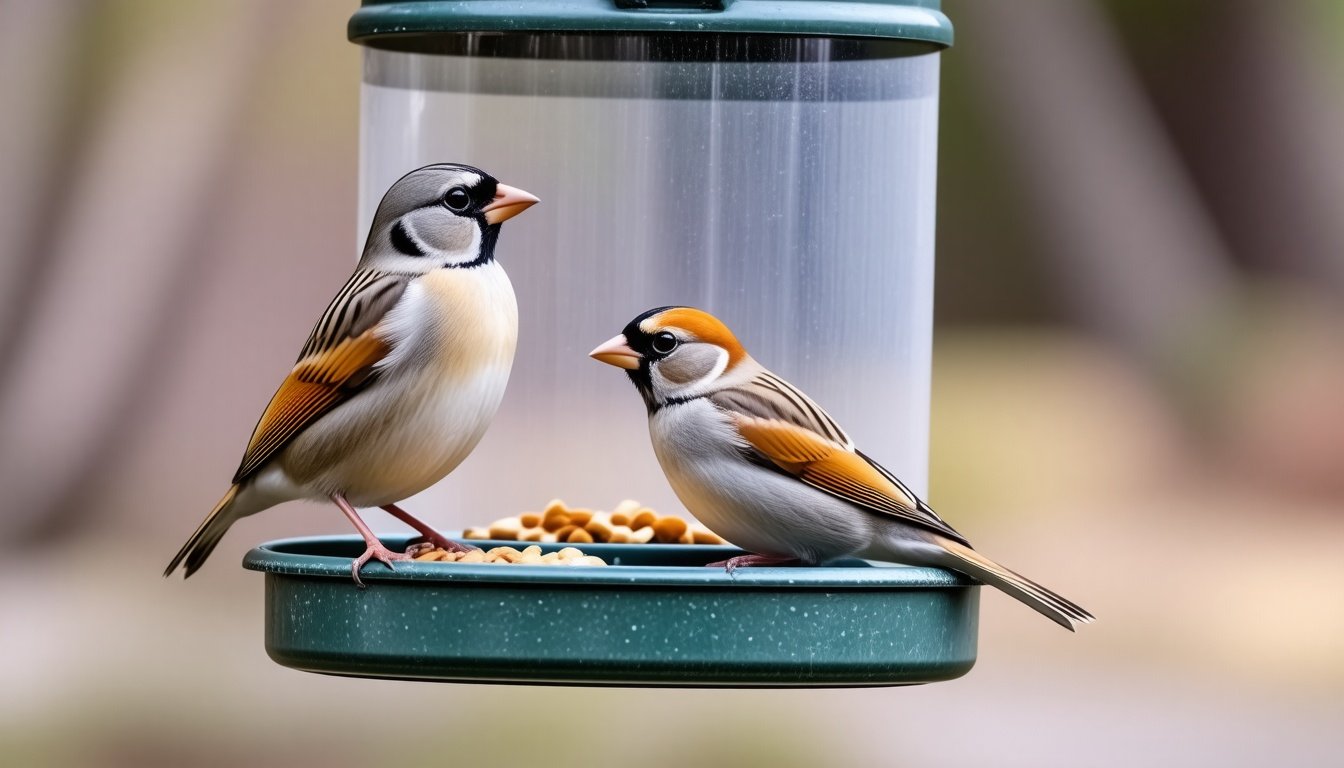
When the crisp air of fall tiptoes in and the leaves blush in fiery reds and golds, I find myself thinking more about my tiny feathered neighbors—especially sparrows. These little guys, with their cheery chirps and scruffy charm, never fail to brighten my mornings. But fall brings changes. Temperatures drop, food sources shift, and those familiar seeds and berries they loved all summer suddenly become harder to find. Sparrows need a bit of extra help to stay lively and strong before winter’s full grip takes hold.
That is when I turn my attention to their feeders—not just any old feeder, but one thoughtfully tailored to their changing needs. Feeding birds is not just about tossing seeds into a tray. It is about understanding their habits, their bodies, and even their personalities. Over the years, I have learned to tweak what I offer and how I offer it in the chillier months so that sparrows keep flitting about, bouncing on branches, and feeling just as alive as they did in the sun-drenched days of summer. It feels like a little love letter from me to them, a promise that I will look out for them when the natural buffet shrinks.
Why Focus on Sparrows in Fall?
Sparrows get a bad rap sometimes. People think they are just plain little birds—common, boring, everywhere. Yet, these birds are survivors, adaptable and full of character. They are some of the first birds I ever watched with genuine affection, and I have come to appreciate just how much they depend on us when nature’s pantry starts running low.
Fall is tricky. The food they rely on during spring and summer—bugs, fresh seeds, juicy berries—slowly disappear or become scarce. Cold winds make finding enough calories a daily hustle. If they do not eat enough, their feathers get rough, their energy dips, and they become vulnerable to predators and cold nights.
That is why tailoring feeders for sparrows in fall is not just an act of kindness; it helps their survival and keeps my yard buzzingly alive with the happy chatter that I so love waking up to.
Changing Up the Menu: What Sparrows Need in Fall
It is easy to slap in a random seed mix and call it a day. But I learned that sparrows get picky—or maybe a better word is that their bodies get picky—as the days get shorter. They want food that is dense in calories but also easy to digest and packed with the right kinds of fats and nutrients.
I like to mix traditional favorites with new ingredients to keep things interesting. Here is my go-to fall feeder menu for sparrows:
- Black oil sunflower seeds: These are sparrow classics. Small enough to handle, high in fat, and with a thin shell, they offer a perfect energy punch.
- Millet: Tiny and easy for sparrows to pick at, millet is a fall staple that fills their bellies without overwhelming them.
- Safflower seeds: Not always a favorite of other birds, sparrows love these tough little bites. They also help keep the squirrels away, which is a bonus.
- Cracked corn: When I toss in a bit of cracked corn, the sparrows get a carb boost. It is perfect for chilly mornings when their metabolism needs a kickstart.
- Dried mealworms: Not everyone feeds these in fall, but sparrows gobble them up eagerly, and they are a fantastic protein source to keep them strong and active.
- Suet cakes with seeds and berries: These frozen blobs are like fast food for birds, rich in fats and energy, helping them stay warm when the temperatures dip.
Seeing sparrows hover and peck at a varied spread is like watching kids at a candy store. They get excited, they try new things, and they come back day after day for their favorite bites.
Designing Feeders with Sparrow Behavior in Mind
Food is half the story. The other half is how that food gets delivered. Sparrows are small and social. They like to feed in groups and avoid places where they feel unsafe or squirrels hog the snacks.
So, I have come up with a few ideas to make my feeders sparrow-friendly in fall:
- Multiple feeding stations: Instead of one giant feeder, I scatter several smaller ones around the yard. This way, sparrows can spread out, avoid squabbles, and find a quiet spot when needed.
- Platform feeders: Sparrows love flat surfaces. I use open platform feeders where they can hop around and pick seeds comfortably. It also lets me clean the feeders easily—important when damp fall weather can encourage mold.
- Covered feeders: To keep the food dry from fall drizzles, I favor feeders with roofs or add umbrellas nearby. Wet seeds mold quickly, and sparrows will avoid yucky food.
- Perches sized for sparrows: Big, clunky perches are no good. I pick feeders with slim perches or designs that allow sparrows to cling easily but keep away larger birds that might bully them.
- Squirrel-proof features: Squirrels are funny little pests. They can empty a feeder in minutes. Locking mechanisms or weight-sensitive ports that close when a squirrel climbs on help keep the seed for the sparrows.
Once, I watched a group of sparrows wage a tiny battle with a particularly fat squirrel that was very determined. I switched out the feeder, and peace was restored. They looked like they were smiling afterward—well, in sparrow terms.
Keeping Feeders Clean and Fresh
Fall weather means more moisture, and moisture means mold. Moldy seeds are bad news for birds. They can cause sickness or worse, especially when sparrows are already fighting the cold.
I check my feeders every few days during fall and wipe them down with hot water. No harsh chemicals. Just good old scrubbing. It is a small chore that pays back in happy, healthy birds—and also less mess on the ground because spoiled seed does not attract as many pests.
If it rains hard, I cover feeders or move some to more sheltered spots. My sparrows seem to appreciate the effort—sometimes they even wait out the rain under branches nearby instead of flying far away.
Adding Fall Extras That Sparrows Love
It is not just about the seeds. Sparrows enjoy some extras that help them thrive and make my little yard feel like a sanctuary. Here are some tricks I use to make my yard extra cozy for my sparrow pals:
- Fresh water source: A small, shallow birdbath is a lifesaver. In fall, water can freeze overnight, so I keep it in a sunny spot and change it frequently. Sparrows need water to digest their food and stay hydrated.
- Nesting material: I leave tiny bits of twigs, dry grass, and soft fibers nearby. It might seem early, but sparrows start thinking about winter nests in fall.
- Berry bushes: Planting or keeping native berry bushes around attracts sparrows and offers natural snacks. Plus, it helps other birds and pollinators, turning the yard into a small ecosystem.
- Brush piles or shelter: Sparrows need places to hide from hawks or cold winds. I keep a few natural brush piles or dense shrubs near feeding spots.
Watching a sparrow tuck itself into a brush pile between quick foraging flights always tugs at my heart. They look so small and vulnerable, yet full of life.
How Adjusting My Routine Helped Me Connect With Sparrows
Tailoring feeders is not just about what you offer; it is how you listen. Over time, I learned to watch sparrows like a good friend. I noticed the times they preferred to visit, which seeds they left untouched, and how weather changes shuffled their habits.
Some mornings, I find them waiting patiently near the feeder before sunrise. Other times, it is a big noisy group tossing seeds everywhere like a tiny party. It made me realize that the act of feeding is a conversation—not one spoken in words, but in shared presence.
When I adjusted my feeders and feeding times to match their rhythms, I felt less like a bossy provider and more like a partner in their daily adventures. It is silly, I know, but it made the whole experience richer.
Final Thoughts on Keeping Sparrows Active This Fall
Helping sparrows stay active as fall sets in is a small act that feels big. It is about tuning in to nature’s subtle shifts and responding with kindness and a bit of creativity. Every seed scattered thoughtfully, every feeder cleaned, and every safe spot provided is like a thread weaving us closer to the wild lives unfolding right outside our windows.
If you love sparrows or just want to bring a bit more life to your fall garden, try adjusting your feeders with their needs in mind. A little extra care goes a long way. And before long, your yard will be full of sparrows dancing in the cool fall sun, reminding you that even as seasons change, life keeps humming along—bright, lively, and full of hope.