
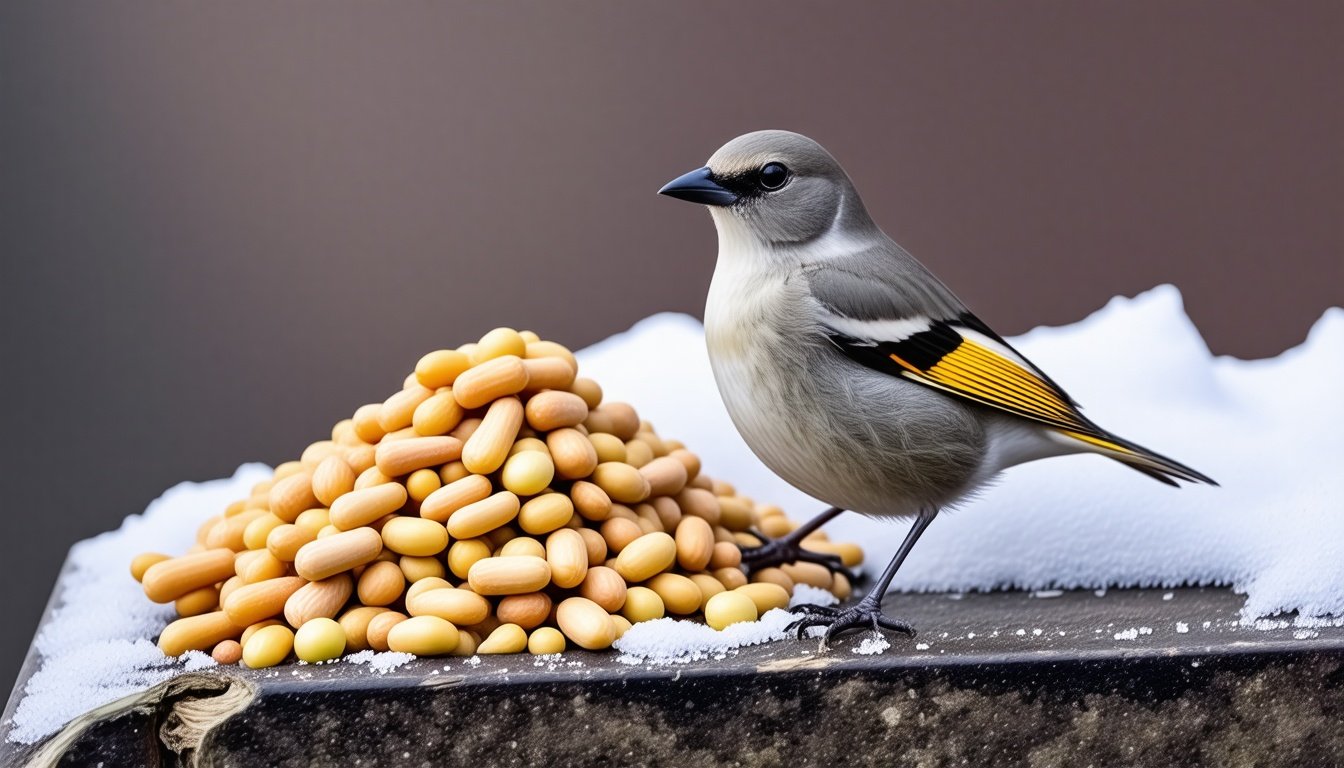
Winter has this way of making the world feel quieter, colder, and a little less alive. Trees strip down to their bare bones, the ground gets hard and frozen, and the usual buzz of busy critters slows to a hush. But if you pay attention, right outside your window, birds are still fluttering around, searching for something to eat. Those little creatures have to work a lot harder during winter. Natural food is scarce, and their bodies demand extra fuel to keep warm. Watching this battle for survival stirred something in me—I wanted to help in a way that felt honest, natural, and kind to them. Not just tossing out some random birdseed mix, but really thinking about what they eat when the snows bite and the wind howls.
I started trying to provide feed that mimics their winter diet. Sounds simple, but it took a bit of trial and error, a dash of detective work, and some moments of pure joy. The experience became this quiet ritual, a way to connect with nature, even when the world outside seems frozen in time. If you have a birdfeeder or want to start one, it can feel overwhelming at first. What do birds actually want? What keeps them healthy? And, honestly, what will get those feathered friends to stick around and visit, instead of ignoring you like some random snack vendor?
Let me walk you through what I have learned, especially about providing natural feed during winter that birds truly appreciate. I have also picked up some insights into what different bird types prefer during the cold months. This is less about fancy formulas and more about real food that birds would naturally find in the wild—if the wild still had plenty to offer during winter! If you like the idea of feeding birds in a way that feels natural and right, keep reading. It is easier than you think to become a winter-wildlife helper without turning your yard into a bird buffet filled with junk food.
The Winter Food Crisis for Wild Birds
Have you ever noticed how birds seem to get a little more desperate in winter? They show up at your window, peck at those frozen berries, or hover around the last dregs of a garden’s seed heads. That is because their usual summer diet—worms, insects, soft fruits, and fresh greens—disappears. Cold weather means bugs burrow deep or die off. Plants stop producing seeds and berries. It is like their favorite all-you-can-eat buffet gets closed for renovations.
So birds shift their diets to what is left: hardy seeds, nuts, and whatever fruit hangs on despite the frost. Bird species differ in their preferences and needs, but nearly all rely on high-fat and high-protein foods to maintain energy and warmth. Fat is their secret winter weapon. It is calorie-dense and gives them the fuel they need to flap, flutter, and survive sub-zero nights.
That is why simply dumping out a bowl of plain seeds might not be enough or even beneficial. Providing the right kind of natural feed can make a huge difference, helping birds weather the cold with more ease. I found that matching food types to bird species keeps the whole winter feeding scene lively and healthy.
What Does “Natural Feed” Mean Anyway?
When I say natural feed, I mean stuff that birds would probably pick out from the bushes, trees, and ground if they could. No artificial mixes loaded with fillers, preservatives, or strange ingredients. Just real, recognizable food that fits their wild, instinctive diet. Things like sunflower seeds, suet, nuts, berries, and even bits of dried fruit in moderation.
Natural feed is about quality, not quantity. It encourages birds to forage naturally rather than relying solely on feeders. Plus, it helps avoid stuffing their bellies with junk they might not digest well or that could harm them down the line. Think of it as serving a hearty, wholesome meal instead of a greasy drive-thru snack.
My Winter Feeding Playbook: What I Use and Why
Here’s the thing: not all birds like the same food. Some are finicky, others are ravenous. I like to think of my backyard feeders as three different winter diners—each with their own favorite meal. This approach keeps a variety of birds happy and healthy.
1. Seed Lovers: Finches, Sparrows, and Chickadees
Seed eaters are the most common winter visitors. They love smaller, thinner seeds they can pick apart quickly, but they need fat to get through the cold days.
- Black oil sunflower seeds: These are the superstar winter seeds. They crack easily, are packed with fat, and nearly every seed eater loves them.
- Nyjer (thistle) seeds: Tiny, but a favorite for goldfinches and pine siskins. You need a special feeder for these little guys since they can spill everywhere.
- Millet: Great for sparrows and juncos. It is small and easy to digest.
I sprinkle these seeds on platform feeders or mix them in fat blocks to offer the best of both worlds. The birds can peck around and choose, which seems to make them happier.
2. Suet and Fat for Energy Seekers: Woodpeckers, Nuthatches, and Jays
Birds like woodpeckers and nuthatches are sure signs of a well-stocked winter feeder. They need a lot of energy to exist on cold days, so fat is their gold.
- Suet cakes: These are blocks made from animal fat and sometimes mixed with seeds or insects. They provide high calories and a texture these birds love to chip away at.
- Peanut butter (natural, no sugar): Spread thinly on bark or pine cones, this is a delicious treat for some birds. Just avoid anything with added salt or sweeteners.
- Raw peanuts and shelled nuts: Jays and some woodpeckers are nuts for nuts! They crack open shells and store some for later.
I hang suet feeders on tree branches and occasionally smear a little peanut butter on natural surfaces. Watching woodpeckers hammer away gives me a little thrill every time.
3. Fruit Fans: Thrushes, Waxwings, and Robins
Some birds count on fruits more than seeds, especially early in the winter when berries last fresh on bushes. I found that providing fruit mimics this natural preference beautifully.
- Frozen or dried berries: Cranberries, blueberries, and currants work well. When frozen, they look very natural and last longer.
- Apples and pears: Sliced and placed on tray feeders or nailed to branches, these are winter treats for many.
- Grapes: Cut in half, these juicy morsels are irresistible to waxwings and robins.
Offering fruit feels a little fancy, but birds do appreciate it and it helps balance their diet.
How I Set Up My Feeders for Winter
Winter feeding is part food and part habitat. Food alone does not do the trick if birds cannot get to it safely or comfortably. I spend time thinking about where to hang feeders, how to protect the feed from snow and birds’ competitors, and how to keep the feeding area clean.
Here are some things I do that work well:
- Mix types of feeders: I use platform feeders for seeds and fruits, cage feeders for sunflower seeds, suet feeders hung from trees, and even scatter some seeds on the ground for juncos and sparrows.
- Choose sheltered spots: I place feeders near evergreens or close to my house so birds can dart into cover if a hawk flies by.
- Keep feeders dry: I check that roofs or overhangs block freezing rain or snow from soaking the seeds and suet.
- Clean regularly: Winter can get messy, and damp seed makes birds sick. I clean feeders every week, sometimes more, with hot water only—no harsh chemicals.
These little steps make the lunchtime experience safer and more inviting for my feathered friends.
Picking Right Feed for Different Bird Species
Here is where things get really fun and a bit personal. Different birds have distinct winter favorites. Giving them what they want means more visits, more colorful scenes, and that warm fuzzy feeling of being a helpful friend. Here are a few examples I have learned over the years:
Chickadees
The tiniest titmice around. They adore black oil sunflower seeds and suet. I like to hang small pinecone feeders smeared with peanut butter and rolled in seeds just for them. Watching them cling upside down while they eat is oddly entertaining.
Woodpeckers
Downy, hairy, and even the huge pileated woodpeckers come around when suet is available. I learned that having bits of crushed peanuts mixed into the suet is like a magnet. Plus, they enjoy a plain suet cake in freezing weather.
Goldfinches
These little yellow gems move away for winter but sometimes stick around if you offer nyjer seeds. I invested in a specialized nyjer feeder and suddenly had a flock dropping by every day. It feels like the birds are throwing a tiny party in my yard.
Robins and Thrushes
They are more fruit lovers. Frozen berries and sliced apples are their favorites. I put out a shallow water dish that I change often to keep it from freezing so they can drink and bathe.
Why It Feels So Good to Feed Birds Naturally in Winter
Honestly, it is not just about the birds. It is about the way sharing the winter with these little survivors makes me feel connected to the earth. It is a small act of kindness during a tough season. Something so simple—putting out a handful of seeds or a chunk of suet—can feel like a warm hug on a cold day.
And it is magical to watch their personalities emerge—bold chickadees, curious nuthatches, busy juncos. They become part of my daily rhythm, reminding me that life endures, that winter cannot stop the pulse of nature.
Feeding birds naturally also makes me more aware of the delicate balance of the wild world. It is a reminder that our actions, no matter how small, ripple out. Providing real food means I know exactly what goes into their bellies. It feels honest and respectful.
Some Friendly Reminders if You Want to Try This
- Patience is key. Birds will come, but sometimes not right away.
- Keep feeders clean and check often. Winter conditions can spoil food quickly.
- Avoid bread or processed foods. They might seem harmless but can be bad for birds.
- Fresh water makes a big difference. Even a small heated birdbath keeps birds coming back.
- Learn about your local birds. Different places have different species and needs.
When Winter Ends, Letting Birds Go Back to Their Natural Diet
One thing I always remind myself is that feeders are a helping hand, not a permanent solution. Once spring arrives and natural food sources return, I gradually reduce feeding. Birds need to keep honing their foraging skills, and nature needs its chance to breathe and grow.
Feeding birds through winter should feel like a gentle assist, not a way to replace their wild diet. It is a balance I try my best to keep—it is all part of loving and respecting the natural cycle.
So there it is. My winter feeding story and some simple, natural ways to help our feathered neighbors get through the cold months. Whether you have a city balcony, a suburban backyard, or a rural patch of land, feeding birds naturally can become a joyful ritual. One that connects you to the wild world even on the frostiest of mornings.