
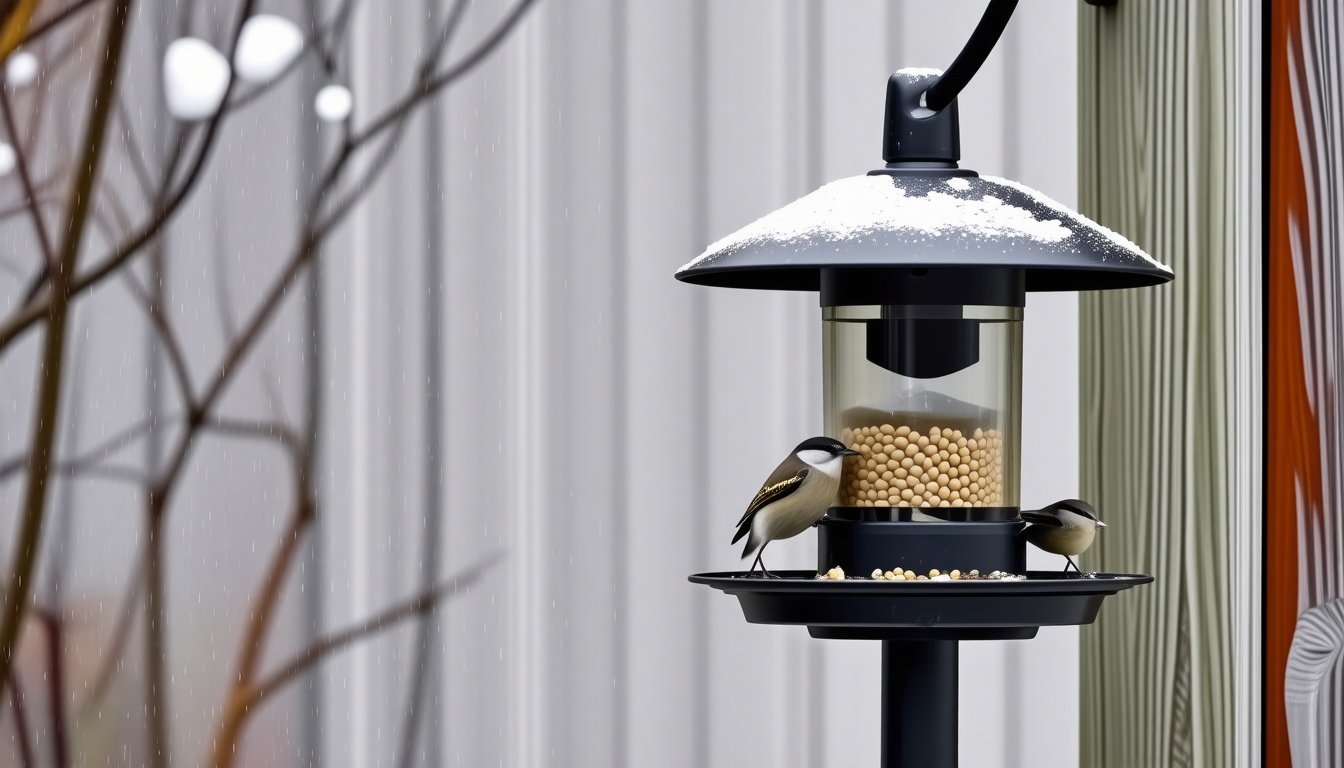
There is something quietly wonderful about watching birds flutter and flit around your yard. These little feathered visitors bring an unexpected joy, a tiny daily miracle that feels both peaceful and exhilarating. But, if you have ever had a bird feeder turn into a soggy, smelly mess in the middle of summer, you know how quickly that joy can sour. Warm weather can be brutal on bird food. It spoils fast, it clumps, and it can even make birds sick if you are not careful. I have learned this the hard way—oh, the heartbreak of seeing my feathered friends ignore a feeder because the once-fresh seed now looks like birdy soup.
So, how do I keep my bird feeders fresh and inviting during those blazing hot months? It feels like a game, sometimes—even a little battle. Today, I will share my personal tricks, the ones that actually work for me and my backyard flock. No fancy jargon or complicated gear, just common sense mixed with some trial and error, plus a dash of stubbornness. If you love feeding birds but dread that foul summer funk, this is for you.
Why Does Bird Food Spoil So Fast When It Gets Warm?
Before getting into the nitty-gritty of protecting feeders, it helps to understand why warm weather is such a villain for bird seed. Bird food, especially seed mixes, is prone to mold and mildew when it stays damp or hits hot temperatures. Moisture triggers quick spoilage, and heat makes stuffy seed go rancid faster. Wet seed clumps and hardens, pushing birds away before they even get a chance to snack.
And guess what? Moldy or spoiled seed is not just unappetizing for birds. It can cause nasty health problems, like fungal infections and digestive issues. Watching birds get sick breaks my heart, so I always aim to keep their food fresh and safe.
Seasonal Bird Feeding Guides for Different Bird Species
One little secret that took me some time to figure out? Not all birds need the same food all year round. Different species have different preferences—and nutritional needs—that change with the seasons. Fine-tuning what you offer makes your feeder more popular and helps protect your seed from spoiling. Here is a quick guide to some favorites according to the season:
Spring and Summer
- Finches: They love nyjer and thistle seeds. These tiny seeds spoil quickly in moisture, so only fill a small feeder at a time.
- Hummingbirds: Nectar is their main treat, but it can ferment fast in heat. Change nectar every two days, and clean the feeder well.
- Warblers and Sparrows: They prefer insects plus some seeds. Fruits and berries are also welcome here.
Fall and Winter
- Cardinals and Grosbeaks: They go for larger seeds like sunflower hearts and safflower. These last longer in cold weather.
- Woodpeckers: Suet cakes are a favorite, but suet melts quickly as the weather warms up.
- Chickadees: They love sunflower seed and peanuts. Peanuts can mold easily if damp, so be careful.
Knowing what your local birds prefer in each season means you can tailor your feeding strategy, keeping everyone happy—and your feeders clean.
How I Keep Bird Feeders Fresh and Spoiler-Free All Summer
Okay, let us get to the real meat. Here are the tried-and-true things I do every warm day to stop seed spoilage so my feathered friends keep coming back.
1. Buy Quality, Fresh Seed
It sounds obvious, but every spoiled seed story I have had started with buying bulk seed that had been sitting on a store shelf forever. I now buy smaller bags more often and choose brands that pack and ship fresh. If your seed is old before it even hits the feeder, you are fighting a losing battle.
2. Stock Smaller Amounts in Feeders
I used to fill my feeders to the brim, thinking, “Feed them once and forget.” Big mistake. When it gets hot, seed sitting out for days goes bad quickly. Now, I only fill feeders halfway or less and refill more often. Birds get fresh food, and I keep mold and clumps at bay.
3. Choose the Right Feeder for the Season
Some feeders are better at protecting seed from moisture and sun. Covered feeders with good ventilation work best in warm weather. I like tube feeders with little roofs or hopper feeders that have lids to shield the seed. Open trays? Nope—too much sun and rain exposure.
4. Clean Feeders Regularly
This one is a pain, but it makes such a difference. Every week, sometimes more often in hot spells, I empty feeders and wash them with hot soapy water. Then I rinse and dry them thoroughly before refilling. Germs and mold spores love to hang out in dirty feeders, so a good scrub keeps disease away.
5. Keep Feeders in the Shade
Sunlight can speed up spoilage, so I hang feeders under trees or on shaded porch areas. Sure, some sun is okay, but full midday sun turns seed into a sweaty mess fast.
6. Use Anti-Mold Additives (With Caution)
If you want a little extra help, you can add small amounts of powdered vitamin C or commercial anti-mold bird seed treatments. But do your homework first. Some additives may not be safe for every bird. When in doubt, keep it natural—water, shade, and fresh seed do most of the work.
7. Switch to Seed Alternatives in the Heat
Some bird foods hold up better than others. For example, instead of buying big bags of mixed seed, try sunflower hearts, peanuts, or cracked corn. These dry seeds resist mold better. Also, many birds love fruit scraps, which are refreshing on a hot day but should be removed before they spoil.
8. Offer Fresh Water Nearby
Birds drink more when it is hot, and their food intake also changes. A water source prevents them from relying solely on the seed and can reduce the chance of leftover wet seed sitting and going bad.
My Personal Summer Feeding Routine
This is what a typical summer day looks like for me and my backyard bird crew:
- Morning: I check feeders first thing, toss out any clumped or damp seed, and add fresh seed in small amounts.
- Midday: If I see a lot of birds, I refill once more around noon. I also spray the area with a mist of water to cool down the birds (they love it).
- Evening: I clean feeders once a week, washing with soapy water and drying thoroughly. I keep a backup batch of seed stored in a cool, dry place.
Doing a little each day might sound like a lot, but it quickly becomes a habit. Watching birds thrive through summer heat makes it worth every minute.
Common Mistakes That Turn Bird Feeders into Bird Food Jails
Moving from happiness to horror, here are a few things I have learned to avoid:
- Filling Feeders with Old Seed: Seed that has been on the ground or in your garage for months can harbor mold spores. It is like inviting trouble.
- Ignoring Feeder Cleanliness: Gross feeders can spread disease fast. Birds are sneaky. They will eat from a dirty feeder, but it is bad news.
- Overfilling Feeders: The temptation to “stock up” can mean seed sits for days, soaking up heat and moisture.
- Placing Feeders in Direct Sun All Day: This fries the seed and can actually cook any bugs living inside, making the scent all wrong.
- Using Suet in Hot Weather: Suet melts, goes rancid, and attracts unwanted bugs like flies or even rodents.
When the Heat Beats You: What to Do
Sometimes, despite our best efforts, the sun wins. It happens. On those scorchers, I temporarily change my approach:
- I switch feeders to early morning and late evening feeding only. Birds feed in cooler hours.
- I completely remove feeders that spoil too fast and offer bird baths with fresh water instead.
- I try to grow native plants and shrubs that provide natural food and shelter.
Nature is resilient, and so are birds. Sometimes the best help we can give is patience.
Why This All Matters
Feeding birds is more than just putting out snacks. It is about connection and care. Each seed is a little gift, each visit a tiny thank you. Protecting that seed from spoiling means honoring that relationship. Plus, watching birds thrive through the summer makes your yard a pulsing, vibrant world.
So, if you want your bird feeders to stay fresh and inviting when the sun turns up the heat, remember: buy fresh seed, stock small amounts, keep them clean and shaded, and respect your birds’ seasonal preferences. Your winged visitors will thank you with song and flutter every day.
Happy feeding, friends. Here is to many sunny days filled with the sweet sounds of happy birds.