
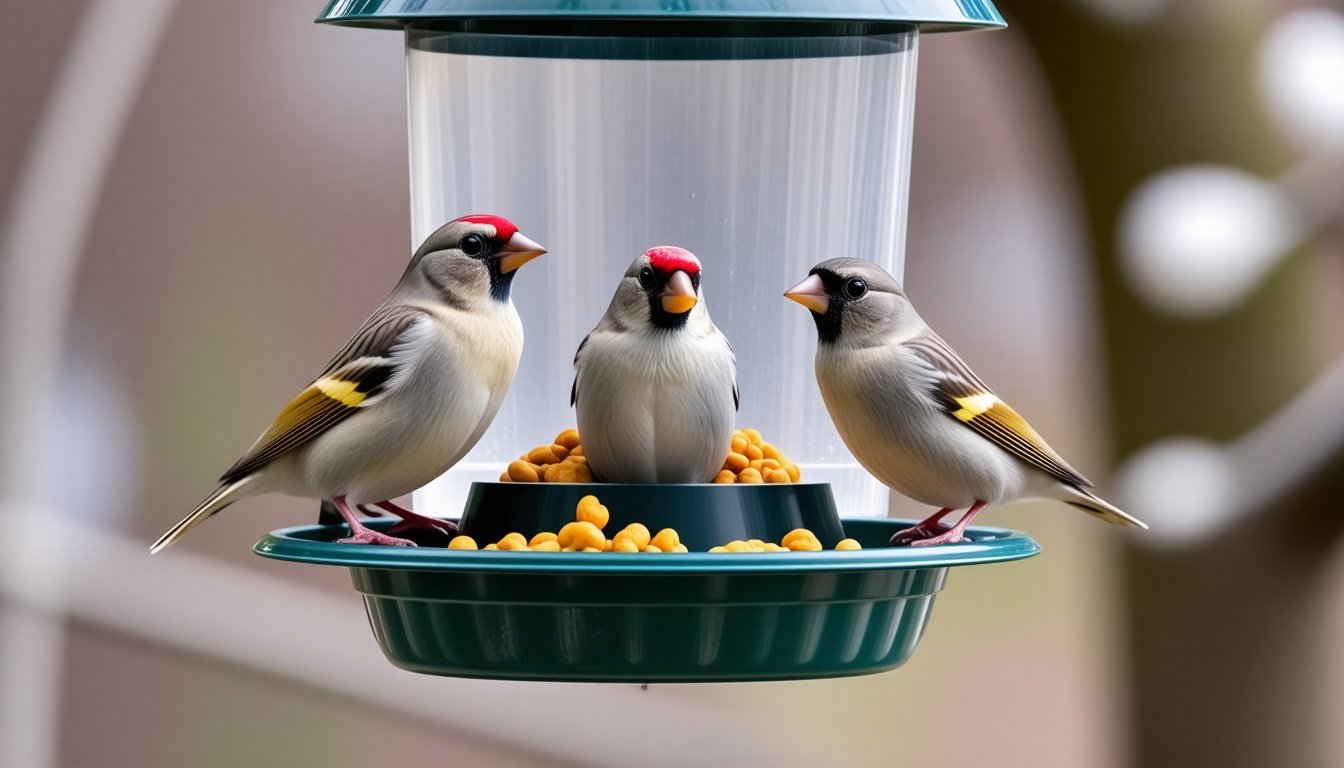
Finches are like tiny, feathery jewels that brighten even the grayest days. Their fluttery dances and chats bring a kind of quiet magic to my backyard, one I never thought I could cultivate year-round. But, oh boy, keeping a feeder full of finches all twelve months is not just about dumping seed in a dish and hoping for the best. It takes a little heart, a little thinking, and some clever tweaks as the seasons change.
At first, I thought finches might just visit whenever they fancied, but it turns out they are picky little guests. They like routine, comfort, and food that suits their mood (yes, I think birds have moods). Over time, I learned to read what my winged buddies wanted, when they wanted it, and how I could make my feeder the happening spot on their route throughout the year. Here, I am sharing what I’ve figured out about keeping my finch feeders inviting all year long. It is part love letter and part roadmap for anyone who wants to turn their backyard into a tiny haven of chirps and colors.
Spring: The Time for Fresh Beginnings and Nesting Feasts
Spring feels like the most obvious season to welcome finches. Everything is waking up; the flowers are poking up, and those little birds are ready to build nests and sing their hearts out. This is when my feeders become a hotspot for energy-packed meals.
What Finches Want Right Now
- Nyjer (Thistle) Seed: Finches love this tiny black seed. It is like candy for them. It is full of oils that give them essential energy for nesting and mating.
- Fresh Water: Not just food, they love fresh water to drink and bathe in. I keep a shallow dish nearby and change it at least once a day.
- Sunflower Seeds: These are a favorite, but I go for the smaller, hulled variety in spring so they can eat without much fuss.
When spring comes, it is tempting to just fill the feeder and forget about it. But I found that cleaning feeders every week helps keep the finches healthy and happy. Dirty feeders? Not inviting.
Making It Cozy
Spring can be unpredictable. One day warm, the next chilly. I counter that by putting feeders near some shrubs or small trees where the finches can take shelter quickly if the weather turns. I also added a windbreak from a simple lattice panel on one side of the feeder. It does wonders.
Summer: The Hot, Busy Months of Feathery Friendship
Summer means a whole new set of challenges — heat, occasional storms, and a backlog of hungry mouths if you have baby birds around. My feeders become more like buffet spots that need constant attention because the birds are extremely active.
Feeding Finches When It Is Hot
- Keep Seed Dry: Seeds go bad fast in the heat. I either put out just small amounts at a time or use feeders with covers that keep rain and sun off the seeds.
- Offer Water All Day: Finches drink and splash a lot in summer. A birdbath or a shallow water dish is a non-negotiable setup.
- Offer Variety: I mix Nyjer seeds with millet and safflower seeds to keep them coming back. Variety seems to feel like a little party in their mouths.
One summer, I even noticed finches pecking at ripe garden berries, so I added a small berry bush beside the feeder. Turned out to be a massive hit.
Where to Place Feeders
I learned the hard way that putting feeders in direct sun means seed spoils quicker and finches avoid the heat. I moved them to dappled shade or where a tall tree cast cool shadows around midday. Spot on.
Fall: Time for Gathering and Fat Storing
Fall feels like the season when finches know winter is coming, so the stakes get higher. They need more food that helps them bulk up and store fat to stay warm when the cold months arrive.
Fall Food for Fat
- Black Oil Sunflower Seeds: High in fat and essential oils, sunflower seeds are the top fall favorite. These seeds help finches pile on the calories.
- Millet and Safflower: Both get them digging around the feeder happily, adding variety and nutrients. Plus, safflower seeds tend to keep out squirrels, so that is a win-win.
- Continuous Water Supply: Even though it is cooler, water remains important. I keep the water fresh and check several times a day.
One thing I started doing last fall was to scatter some seed on the ground near the feeders. It creates a more natural foraging scene that the finches love, especially when the leaves start to fall and cover the dirt a bit.
Shelter and Safety
Fall winds can be sharp and cold. My feeders sit near dense shrubs that provide a quick hideaway. I also place a few pinecones around, which seems to deter some pesky squirrels that want to chase the birds away.
Winter: The Toughest Season for Finches and Feeders
Winter is the time when keeping those feeders filled becomes an act of kindness and care. Food is scarce, and the days are short. Finches need consistent, rich food and protection from the cold.
Winter’s Special Menu
- Black Oil Sunflower Seeds: High fat, packed with energy, and perfect for cold days.
- Suet Cakes with Seeds: These fat-filled cakes melt slowly and give the finches a warm energy boost.
- Nyjer Seed: Keeps the finches happy despite biting cold.
I learned that finches prefer feeders with some cover in winter — something that protects seeds from snow and ice. I use tube feeders with a bit of a roof and always brush off any snow quickly.
Where to Place Feeders During Winter
Wind chill is the enemy, so I put feeders against walls or fences that block the worst of the wind. If my yard freezes over at night, I sometimes add a heated birdbath to keep water accessible. They come every morning like clockwork.
Extra Tips and Thoughts on Keeping Feeders Finch-Friendly Year-Round
Here are some tidbits I picked up along the way:
- Fresh Food Is King: Change seed often. Moldy or old seed will chase finches away faster than you can say “tweet.”
- Cleanliness Matters: Wash feeders and water dishes regularly. Sick birds do not come back.
- Watch for Pests: Squirrels, mice, and even bees may get in the way. I use baffles or squirrel-proof feeders when necessary. It is a little battle, but a manageable one.
- Patience and Observation: Every yard is different. Sometimes finches prefer a new feeder style or location. I change things up if visits slow down.
- Plant Native Plants: When possible, add native bushes and flowers nearby. These provide natural food and extra shelter. Plus, it is lovely to watch finches dart in and out of shrubs.
At the end of the day, feeding finches all year is about listening to their little signals and being ready to shift with the seasons. It is rewarding, really. Watching a flock of these colorful birds flit and flutter outside my window feels like a secret gift. A reminder that small acts of care can create moments of joy.
If you are thinking about welcoming finches or any birds into your yard, just remember: they want more than a feeder. They want a little kindness and attention that changes with the rhythm of the year. I promise the dance back is worth every seed you spill.