
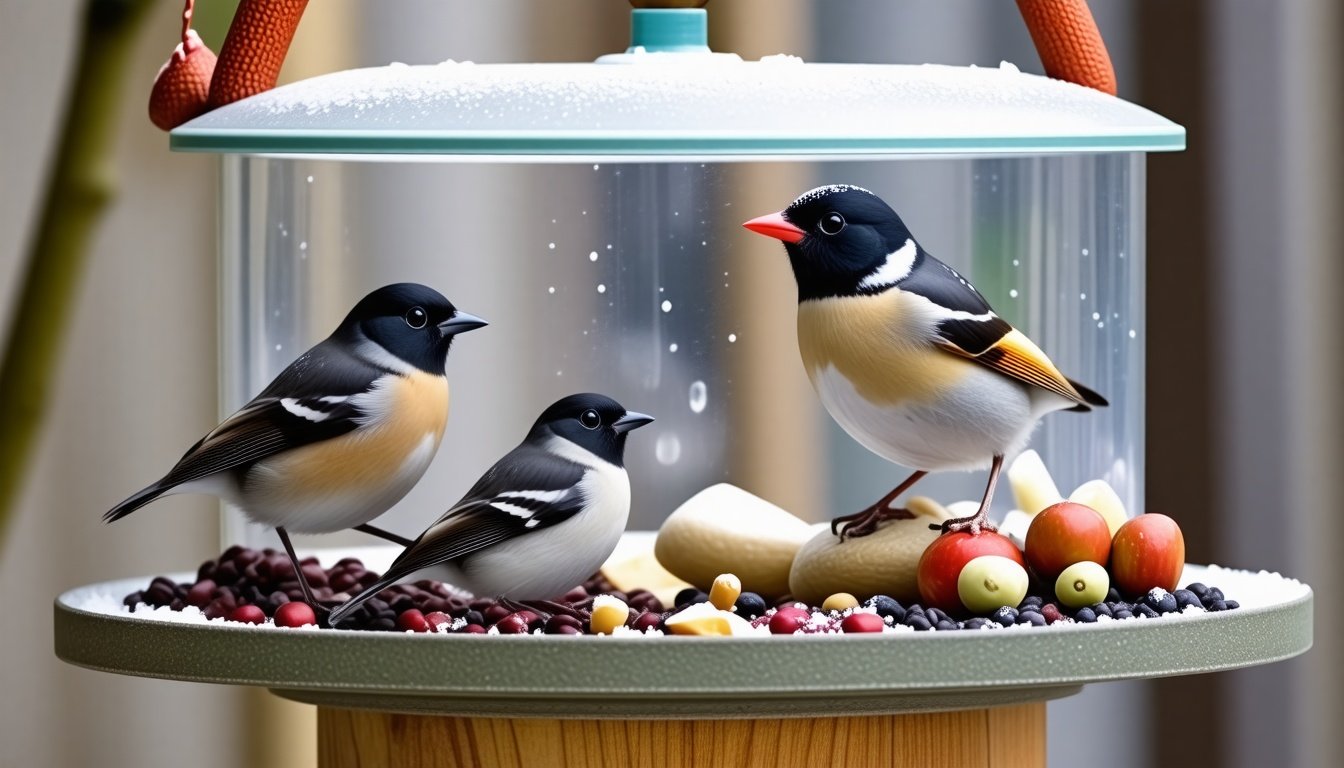
There is something quietly magical about watching birds flutter into your backyard. Each visit feels like a tiny gift from nature, a splash of life and color on an otherwise ordinary day. But keeping that magic alive from spring all the way through winter? Well, that is its own kind of art. I have learned over the years that a one-size-fits-all approach to feeding birds just does not cut it. Different seasons invite different birds, and those birds have their own tastes, moods, and needs.
So if you love a backyard that bustles with feathered friends, you have to think like a bird—not in a creepy “I spy on you” way, but in a thoughtful “what makes you happy?” kind of way. Here is how I keep my backyard bird buffet inviting from the fresh blooms of spring through the icy grips of winter, making sure the birds feel welcome no matter the weather or the calendar.
Spring: Fresh Starts and New Faces
Spring always feels like a fresh start, not just for me but for the birds too. After the quiet of winter, they come back hungry and hopeful, full of energy to build nests and raise babies. My backyard quickly fills with songbirds, and I want to greet them with a spread that says, “Welcome home!”
Which Birds Visit in Spring?
- American Robin
- Chickadees
- Cardinals
- Goldfinches
- Wrens
These birds are busy, hungry, and picky about their fuel. They want fresh stuff, the kind that helps them build nests and grow strong feathers.
What to Feed in Spring
- Soft fruits: Sliced apples, berries, and grapes will have them coming back for more.
- Suet cakes: Especially those mixed with insects or berries, perfect for chickadees and woodpeckers.
- Black-oil sunflower seeds: These little powerhouses are easy to crack and packed with fat and protein.
- Mealworms: Live or dried, these are like candy bars for birds raising chicks.
I keep fresh water out, too. Spring showers are common, but not always enough to keep a bird’s thirst quenched. A little birdbath or shallow bowl goes a long way.
One quick tip: In spring, clean your feeders regularly. Mold and bacteria can sneak in when things are warm and wet. You do not want to be the one who accidentally gives the birds the sniffles.
Summer: Feast for the Busy Builders
Summer is a crazy time for birds. There is no rest. They are constantly on the go—building nests, chasing insects, feeding babies. It feels like their energy could power a small city. This is when I put out food with high fat and protein to keep up with their hustle.
Birds to Expect in Summer
- Blue Jays
- Orioles
- House Finches
- Warblers
- Woodpeckers
This is also the season when fruit-loving birds show up more often. Orioles, for example, are like tiny tropical vacationers who happen to love grape jelly and oranges. Yes, grape jelly! It is a weird thing, but trust me, they adore it.
Summer Menu Essentials
- Orange halves: Slice them open and hang them up or place on a tray. Orioles and finches love pecking at the pulp.
- Grape jelly: Put it in a shallow dish for orioles. It is sticky, sweet, and irresistible.
- Insect-rich suet: Suet mixed with small bugs helps provide the protein to fuel those busy bodies.
- Niger seed: Tiny and perfect for finches, it keeps them coming back day after day.
Water becomes extra important here. Summer heat can dry up natural puddles. I keep a shallow birdbath filled and change the water daily. Nothing fancy—just clean water, but the birds treat it like a five-star spa.
Fall: Preparing for the Chill
When fall rolls around, it is like the birds suddenly start thinking about winter. They bulk up, stash food, and prepare for colder days ahead. Suddenly, the feeder traffic picks up, and it feels like a caffeine buzz around here.
Birds on the Move in Fall
- Juncos
- Woodpeckers
- Chickadees
- Scarlet Tanagers
- Pine Siskins
This is the time to ramp up the energy-packed foods because cold weather means you and I both burn more calories, and birds are no different. Fat and protein from seeds and nuts are their fuel.
What I Serve in Fall
- Black-oil sunflower seeds: These remain a top pick for most birds.
- Peanuts: Crushed or whole, but unsalted. Woodpeckers and jays go nuts for these.
- Suet cakes: Especially those with seeds or berries mixed in.
- Dried fruit: Raisins, cranberries, chopped apples. Great for that extra sugar boost.
One neat trick I learned: scatter some food on the ground. Many birds like juncos and sparrows search the leaf litter for fallen seeds. It feels a bit wild and natural, and the birds seem to appreciate it.
Winter: The Survival Challenge
Winter is the no-holds-barred feeding season. Birds work hard to survive bitter winds and snow. Their tiny bodies need constant energy. If you love a winter bird buffet, your generosity sends a lifeline.
Winter Regulars
- Chickadees
- Nuthatches
- Juncos
- Woodpeckers
- Dark-eyed Juncos
- Grosbeaks
These birds bury themselves deep in their winter coats and need fuel to keep their engines running. Feeding is not just about pleasure now. It can be life or death.
Winter Must-Haves on the Menu
- High-fat suet cakes: Suet is like bird energy bars in winter. It does not freeze easily and packs a calorie punch.
- Black-oil sunflower seeds: The old faithful, full of fat and protein.
- Nyjer (niger) seed: A favorite for finches that sometimes hang around all year.
- Peanuts: Husked and unsalted, good for jays and woodpeckers.
- Fresh water source: Heated birdbaths or water warmed regularly so they do not have to eat snow.
I switch to feeders that are easy to keep ice-free or use heated trays. Watching birds flap their wings to stay warm while pecking at the feeder feels like watching true champions of the cold.
A Few Extra Tips I Swear By
- Keep it clean: Feeders and birdbaths can spread germs if neglected. A regular soap-and-water scrub now and then keeps things healthy.
- Place feeders wisely: Close enough for great viewing but far enough from windows to avoid collisions.
- Mix it up: Different birds have different preferences. Offering variety keeps the guest list long.
- Be patient: New feeders take time to get noticed. I have fed birds for years and still get occasional surprises.
- Watch and learn: The birds tell you what they like. Once I spotted a cardinal dropping a particular seed. Switched it out, and the visits doubled.
Feeding birds is part generosity, part science, part art, and mostly pure joy. From spring’s hopeful breakfasts through winter’s survival snacks, the birds bring life and wonder to every season. The best buffet is one full of love and patience, where each feathered friend leaves a little happier than when they arrived.
So go ahead, start your own backyard bird buffet. It will change your days in tiny but powerful ways. Trust me. Your birds will thank you with songs, colors, and moments that make you stop and smile.