
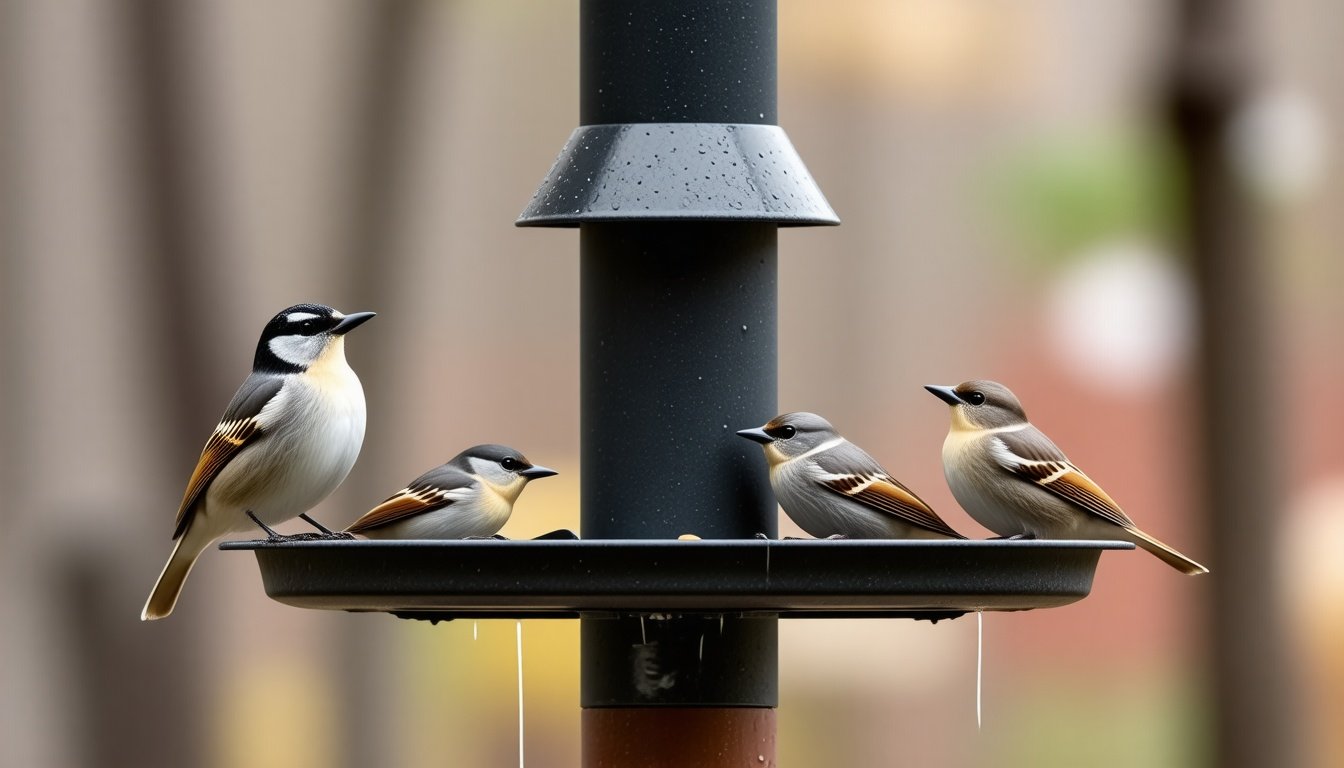
You know that feeling when you glance outside on a rainy day, and instead of a gloomy gray yard, there’s a chorus of birds fluttering around your feeders? That little moment of joy is priceless. But, oh boy, keeping bird feeders clean and inviting when the skies open up? That is a whole different story. Rainy seasons seem to turn my backyard into a sloppy bird buffet, and I am sure I am not the only one battling soggy seeds and muddy messes while watching my feathered friends sip and snack.
Let me tell you, it is not just about tossing food out and hoping for the best. These feathered visitors deserve a tidy, fresh spot to chow down even when the rain comes pounding. Plus, a clean feeder means healthier birds, fewer pests, and a yard that still looks nice enough to make your neighbors think you are some kind of bird whisperer.
So, I want to share my honest experience and some simple tricks I use to keep bird feeders clean and welcoming throughout the rainy season. Because if you love watching birds as much as I do, a muddy mess should never get in the way of that bird-filled magic.
Why Rain Makes Bird Feeding Tricky
Rain is beautiful—it helps the plants grow, cools things down, and makes the air smell fresh. But it really messes with bird feeders. You might think throwing some seeds out is easy, but wait until those seeds get drenched and clump up or worse, start to grow mold. Yuck. That is bad news for birds.
Here are a few reasons why feeding birds during the rainy season takes some extra thought:
- Wet seeds spoil fast: Rain makes seeds soggy, which helps bacteria and mold grow. Birds eating moldy seeds can get sick, and nobody wants that.
- Feeders get messy: Water collects in trays, seed hulls pile up, and suddenly your feeder looks less like a bird café and more like a muddy pitstop.
- Pests love the mess: Wet messes invite ants, rats, and sometimes slugs or snails, which is the last thing you want hanging around your bird friends.
- Birds behave differently: Some birds avoid feeders when it rains. Others get extra hungry because the rain washes out natural food like insects.
Knowing these little challenges helped me figure out what I needed to do to keep my bird feeders happy places, rain or shine.
How I Keep Feeders Sparkling and Inviting During Rain
First things first—cleanliness is everything. It sounds obvious, but so many people forget to clean their feeders regularly, especially when they are dealing with soggy seeds and weather fussiness. When the rain comes, I break out my little toolkit and follow these steps:
1. Daily Check and Tap Out
I take a quick peek at my feeders every day after it rains. Sometimes that is just a tap or two to knock out wet seeds or hulls. If I leave seeds soaking, it becomes a breeding ground for stuff I definitely do not want around. You do not have to do a deep clean every day, but a little daily love goes a long way.
2. The Big Wash Every Week
Once a week, I give all feeders a proper wash. I use warm water and a gentle soap, nothing harsh because bird beaks are picky and delicate. I scrub with a brush to get rid of all the stuck-on grime and seed bits. Then, I rinse really well and let them dry completely before refilling. It takes maybe 15 minutes but saves me headaches—or worse, sick birds.
3. Positioning Is Key
Where you put your feeder matters even more during rain. I try to hang mine under the eaves or beneath thick branches that act like natural umbrellas. This way, most of the rain misses the feeders, keeping seeds dryer for longer. If your yard is wide open, consider adding a small roof or cover over your feeding station.
4. Use Weather-Resistant Feeders
I swapped out old feeders for ones that have built-in rain guards or covered tops. These little designs save seeds from getting soaked and keep the platform dry. Metal feeders, in particular, hold up well against the elements compared to plastic, which can crack or warp in cold rains.
5. Drainage Matters
The feeders I use have tiny holes at the bottom to let water drain out. It seems like a small thing, but without good drainage, water pools, seeds rot. If your feeder does not have drainage holes, poke a few gently with a nail or drill. Your birds will thank you.
Seasonal Feeding Tips for Different Birds During Rainy Times
Not all birds are the same when it comes to rainy weather. In fact, some species thrive and hang out more when it is wet, while others hide until the weather clears up. Knowing who visits your yard and what they like helps a lot.
Doves and Pigeons: Love Dry, Hate Soggy
Doves and pigeons enjoy seeds like millet, cracked corn, and sunflower seeds. But wet seeds gum up in their crops and make them sick. I keep their feeders under heavy cover and offer fresh, dry seed daily. During heavy rain, they tend to stay quiet because they prefer to puff up and wait it out.
Finches and Sparrows: Small Seeds, Big Mess
These little birds go crazy for nyjer and small seed mixes. They visit often, even in drizzle. But because they are tiny and fast, their feeders get littered with leftover seeds and hulls quick. A tray feeder with drainage works best for these guys. I clean their feeders twice a week in rainy periods and refill them sparingly to avoid soggy leftovers.
Woodpeckers and Jays: Love Nuts and Suet
Woodpeckers and jays do not mind a little rain if they get high-energy snacks like shelled peanuts and suet cakes. Suet feeders can get nasty fast in wet weather, so I switch to suet balls wrapped in mesh to keep them fresher longer. Also, hanging suet feeders under porch roofs helps. Jays are less picky and often come to peanut feeders even in heavy rain, but again, dry is always better.
Robins and Thrushes: Fruit Lovers who Wait for Clear Skies
Robins and thrushes mostly eat berries and worms. During rain, they spend less time at seed feeders and more time foraging on the wet ground. Offering fresh berries on a platform feeder can attract them, but I make sure the feeding station is dry by either sheltering it or placing it in a well-covered spot.
Simple DIY Ideas That Save My Feeders Rain or Shine
I love making things easy and cheap, so I want to share some quick homemade hacks that keep feeders dry and clean without spending a lot:
- Umbrella for the feeder: Stick a fairly small umbrella upside down over your feeder using a long stick or garden stake. It keeps the rain off and looks kinda cute.
- Drain holes everywhere: Drill or punch small holes in trays or platforms to stop water from pooling.
- Use a shallow tray below: Put a small tray catching seeds under the feeder that you can easily clean and empty daily.
- Change birdseed often: Buy smaller seed bags so you are not storing wet, old seed in the rainy season.
- Make a suet cage out of mesh: Wrap suet in old kitchen strainers or cheesecloth for easier hanging and better rain protection.
Why Cleaning Feeders Feels Like Self-Care
Okay, this might sound odd, but cleaning my bird feeders during rainy days feels kind of like taking care of myself. When I scrub off that old seed goo and rinse out the grimy mess, there is a tiny moment where I feel connected. Like the birds, I need a clean, fresh space to thrive. It is a reminder that caring for others means paying attention to the little things—even the gross ones.
And watching wet little birds brave the rain or wait patiently at their clean feeder? That is the kind of simple joy that makes the whole rainy season feel a little brighter.
Final Notes for Your Rainy Season Bird Feeding
Here is the key: rain brings challenges for bird feeding, but it also brings more chances to watch nature’s characters in action. Messy feeders are not fun, but a little effort on your part will turn that mess into a cozy, happy bird dining spot no matter how many drops fall.
- Check feeders regularly and remove soggy seeds.
- Wash feeders weekly with warm water and gentle soap.
- Place feeders where rain will miss them.
- Use feeders with rain guards and drainage.
- Know your bird friends and feed them right for the weather.
- Have a few simple DIY tricks up your sleeve.
Putting in just a little extra care means your feathered visitors stay healthy, hungry, and happy when the rain keeps pouring. And your backyard? It stays a lively, welcoming space—a small sanctuary filled with fluttering wings and cheerful chirps.
Rain or shine, the birds keep flying through, and so can you.