
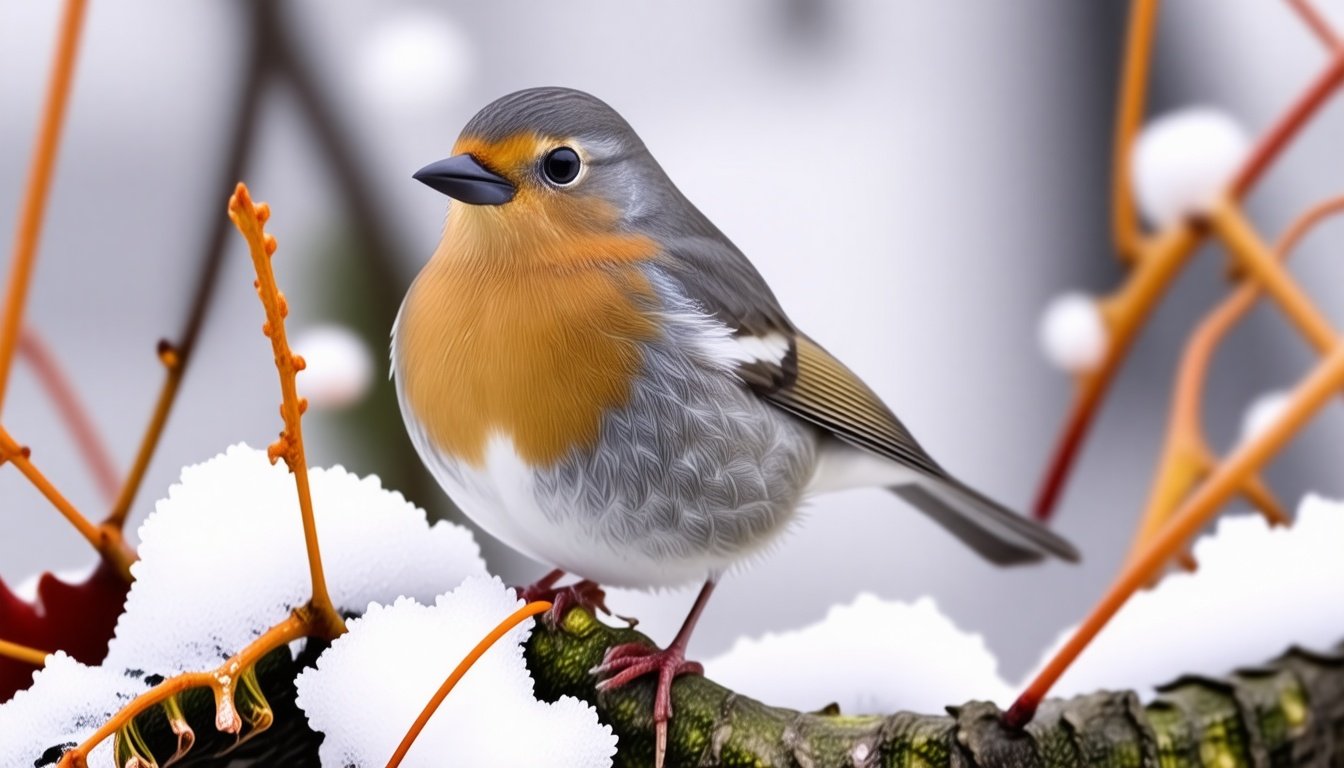
Winter shows up like that unexpected guest you kind of like but mostly dread. It blankets the world in snow and silence, making everything feel still—except for the birds. They get busy, flitting about, searching desperately for food when nature decides to go on a diet. I have always felt a strange kinship with ground-feeding birds during these colder months. Maybe it is because they remind me of those times when I, too, struggled to find nourishment that felt wholesome and just right. Feeding wild birds in winter is my small way of saying, “I see you,” especially to the little creatures scratching around on the ground, trying to survive.
If you have ever tried feeding birds in winter, you already know it can feel like a wild guessing game. What do these birds want? How do I not turn my backyard into a muddy mess? More importantly, how do I make sure the food I put out actually helps instead of hurting? It is not just about sprinkling seeds and hoping for the best. Ground-feeding birds—those humble, busy-foraging pals—have special needs that change with the seasons. Over the years, I have developed a kind of rhythm, a balance, that works for them and for me. If you want to lend a wing, I want to share some of what I have learned in a way that feels like sharing a cup of hot cocoa with a friend.
Understanding the Ground-Feeders: Who Are They, and What Do They Need?
Let us start by getting to know our guests. Ground-feeders are the birds that spend most of their time hopping, scratching, or pecking along the earth, not in the trees or bushes. Think sparrows, dunnocks, juncos, towhees, and sometimes even thrushes. These birds rely heavily on seeds, insects, and berries they find on the ground rather than those hanging high above in branches.
Why does this matter? Because winter flips their world upside down. The cozy insects they depend on disappear. The seeds get buried under snow or frost. Suddenly, food turns into a treasure hunt on a frozen stage. Without help, many of these birds struggle to survive the cold months.
Feeding Habits Change When the Weather Gets Cold
Birds, unlike us, do not hop into a grocery store when snow starts falling. Their bodies burn calories quickly to stay warm, so they need high-energy meals. They also need food that they can access easily without wasting energy flying around too much. Ground-feeders often face the challenge of food being under snow or ice. That is why what we put out for them can make a real difference.
Here is where the balancing act begins: you want to feed them enough, but not too much. Overfeeding can make them lazy or dependent on your handouts. Underfeeding? Well, that is simply not helpful. Plus, leaving wet or moldy food out there can be harmful. So what do you do?
Balancing Feeding Habits Throughout Winter
Feeding birds in winter is not a “set it and forget it” kind of thing. It is like caring for a garden or a pet. You have to watch, adjust, and learn. Here are three important pieces of advice I swear by:
- Keep the food dry and fresh. Birds hate soggy seeds. So I switch up the feeding spots if one area gets too wet or dirty. Sometimes I line feeders with newspaper or put trays under feeders to catch dropped seeds and keep them dry.
- Provide variety but keep it simple. The birds appreciate options, but they are not fancy eaters. Black oil sunflower seeds, cracked corn, millet, and suet are all great winter staples. I mix them up but avoid confusing the birds with exotic stuff they have never seen.
- Feed small amounts regularly. I scatter food in small piles a few times a day, mimicking natural feeding. It helps prevent waste and keeps birds coming back without overwhelming them.
How I Keep the Ground Clear and Safe
It sounds trivial, but where you put the food matters. Muddy, icy spots are no good. I like to pick areas with some cover nearby—like bushes or low branches—so birds can quickly escape if a hawk flies by. Sometimes I rake away the snow or ice just a little so that seeds sit right on top and the birds do not have to dig too deep.
It feels a bit like tending a secret bird café tucked into the yard. The birds appreciate the invitation, and I get to watch their quiet ballet unfold from my window. Watching a juncos’ tiny feet scratch at the ground or towhees hop around gives me a small, warm glow inside, even on the coldest days.
Seasonal Feeding Guide for Different Ground-Feeding Species
Not all ground-feeding birds are the same, and they do not all want the same food. Let me walk you through three common winter guests and what they prefer.
1. Sparrows: The Little Seed Specialists
Sparrows are everywhere, but winter can be tough on these small birds. They mostly eat seeds, especially tiny ones.
- Favorite Foods: Millet, cracked corn, and sunflower seeds
- Feeding Tips: Scatter food widely, so they can have their own space. Sparrows feel safer when not crowded.
- What to Avoid: Big seeds like whole peanuts—they are hard for sparrows to crack.
For winter feeding, I find that mixing millet with cracked corn works like a charm. They seem to bounce in on the millets first, chirping away while munching. I call it their winter party mix.
2. Juncos: The Snowbirds Who Like It Simple
You might know juncos as the classic “snowbirds,” those gray and white fellows with a flash of rust on their sides. They arrive in late fall and stick around until spring.
- Favorite Foods: Black oil sunflower seeds, suet pellets, and crushed peanuts
- Feeding Tips: Juncos love feeding on the ground, so toss seeds directly where the snow is lighter or patchy.
- What to Avoid: Seeds that are too large or hard to handle—these guys have tiny beaks.
Juncos can be shy, so keep the feeding area quiet and try to refill food when no one is around. I like to spread suet pellets into the mix because they provide much-needed energy when temperatures dip low.
3. Towhees: The Scratchy Gardeners
Towhees have a distinct way of feeding—they scratch at the leaf litter and dirt with both feet. Watching them is like watching a little gardening dance.
- Favorite Foods: Large seeds like sunflower kernels, cracked corn, and mealworms
- Feeding Tips: Towhees prefer loose food on the ground rather than feeders. Scatter seeds in multiple small piles.
- What to Avoid: Fine seed mixes that get stuck under snow or ice.
Mealworms might sound weird for winter feeding, but these little protein bombs keep towhees active and warm. I once hesitated about putting out mealworms, but the look of satisfaction on a towhee’s face wiped out all doubts.
Keeping Things Balanced: A Few Extra Thoughts
It is easy to get obsessed with feeding birds. I get it. Staring out the window at a steady trickle of feathered visitors can become oddly addictive. But it is good to step back sometimes and remind yourself what you are doing: helping nature, not replacing it. I do not want the birds to lose their independence or natural foraging skills. The goal is to give them a boost when winter is harsh, not a permanent buffet.
One simple trick I use is to reduce the amount of food bit by bit when spring creeps in. That subtle withdrawal nudges them back out to find fresh food naturally. It is like a helpful hand that slowly pulls away so they can fly on their own again.
Also, keep those feeding stations clean. Moldy or wet seeds can make birds sick. Rake up leftover debris every few days. Even that small effort feels like a quiet thank-you to my tiny friends.
Wrapping Up: Feeding with Heart and Patience
Feeding ground-feeding birds through winter is not some fancy science. It is a conversation with nature, a way to connect without words. It teaches patience, kindness, and the joy of watching life carry on no matter what. Every time a sparrow comes hopping over seed I scattered, or a towhee scratches up a mealworm, I feel like I am part of something bigger.
If you want to try it, remember: start simple, watch closely, and adjust with care. The birds will teach you what they need if you listen. And that is a lesson worth freezing your fingers for, every cold morning.