
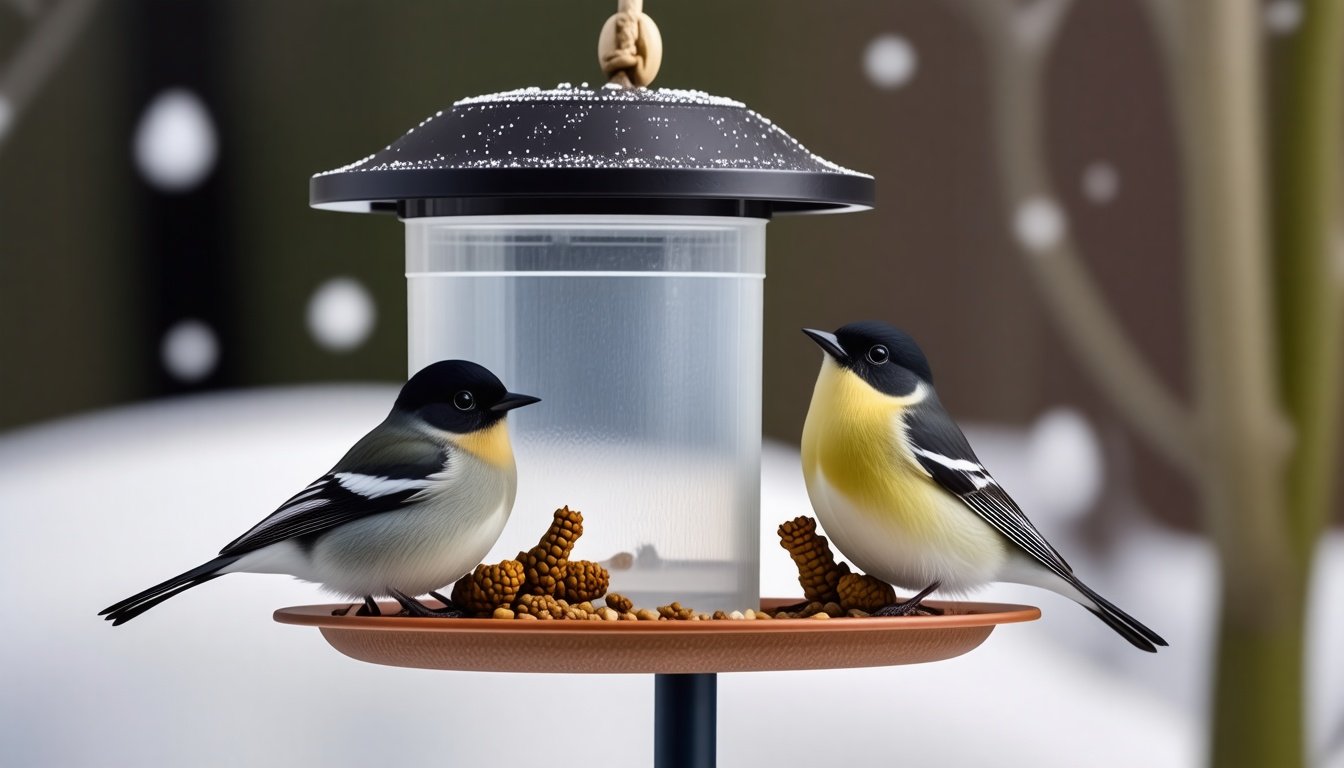
Watching birds flock to your feeder is one of life’s tiny joys. There is something magical about those quick flashes of wing, the chatter, and the tiny dances they do on my porch. But birdfeeding is not just a “set it and forget it” kind of thing. Nope. It changes, sometimes wildly, with the seasons. The way I feed my feathery visitors in summer has to be a whole different ballgame than how I manage it in the bitter cold of winter. Birds have needs, and not just any needs — seasonal ones that shift with the thermometer.
I do not mess around with my setup. I keep an eye on my backyard visitors and adapt. It feels a little like a secret handshake with nature. The birds tell me what they need, and I shuffle things to keep the party going, no matter if the sun is roasting the earth or if frost is turning leaves to brittle paper. If you want to keep your local bird buddies happy year-round, here’s what I have learned about adjusting birdfeeding setups through heat and cold.
Summer Birdfeeding: Staying Cool When It Gets Hot
Summer means heat. I do not mean just “oh, it feels warm” but full-on, sweating-through-your-shirt, air-is-like-a-moving-oven heat. Birds feel this too. They get thirsty, tired, and downright cranky when the sun beats down too hard. This means what works in milder or cooler months flat out fails when the temperature rockets.
Water, Water, Water
Honestly, the number one thing I add during summer is fresh water. Birds need it to drink, yes, but also to splash around in. Muddy puddles and natural water sources dry up fast, so I set up shallow birdbaths. I make sure they are not just little bowls sunk into the dirt—those get hot and dirty quickly. Instead, I use wide, shallow dishes on stands, placed in shady spots.
Refilling them twice a day has become my ritual. Morning and late afternoon. A cool drink between; that’s the kind of kindness birds appreciate. I even float a few small pebbles inside so tiny birds can perch without slipping around. Sometimes, I catch a robin dipping its wings. That little moment feels like a gift.
Shade Is a Gamechanger
I place feeders under partial shade or near leafy trees. When the sun is blazing, direct heat can make seeds spoil or turn them bitter. Plus, birds can get overwhelmed sitting in the open sky. I watch them hover, wing-flapping like they want to land but hesitate.
Providing shelter is a little like offering an oasis. It makes a difference. It also cuts down on ants and other bugs that swarm too warmly heated feeders.
Seed Choices That Beat the Heat
In summer, I swap some of the heavier, oilier seeds for lighter ones. Sunflower seeds are a big hit, but they can get rancid if I leave them in direct sunlight too long. Instead, I try millet, cracked corn, and nyjer seed, which tend to hold up better in heat.
I sometimes mix in dried fruits. They are like snacks for birds — sweet, easy to digest, and a nice change from the usual. Just like humans reach for fruit pops on scorching days, birds seem to enjoy the occasional berry or raisin tossed into their feeders.
The Morning vs. Afternoon Feeding Check
I now pay close attention to when birds visit. Early morning is prime time in summer when it is cool. Later in the day, many birds seek water rather than seeds. So my feeders get refilled in the morning, with water topped up before it gets blazing hot.
Sometimes I hang a few extra feeders closer to water dishes, so birds do not have to go far. It feels like setting out refreshments at a summer party.
Winter Birdfeeding: When Cold Bites Deep
Here’s the thing about winter: birds have it rough. Their little bodies burn energy fast just to stay warm. I have seen chickadees fluff up like cotton balls, shivering through the cold. They need food that packs a punch—energy-dense, fatty, and reliable.
Energy-Rich Seeds and Treats
During winter, I fill feeders with black oil sunflower seeds. These are fatty and beloved by many species. Peanuts are another top choice. I toss them shelled or still in the shell to give birds a bit of a challenge — something to keep their pecking skills sharp.
Suet cakes make a big difference. Back in summer, suet is greasy and unappealing even to me, but cold weather turns it into a treasure. I hang suet feeders near tree trunks or poles, and woodpeckers go wild for them. Squirrels do too, but me and the squirrels have a complicated dance I will not bore you with here.
Protecting Feeders From Harsh Weather
Snow and ice get serious in winter. I make sure my feeders are under some sort of cover or have an angled roof. This stops snow from piling on top and keeps seed dry, which means less waste. Wet seeds mold fast, and no bird wants moldy food.
For extra protection, I use squirrel baffles and wind guards on feeders. They help block cold drafts, and keep the seeds inside. It is not just about feeding birds in winter, but creating tiny safe havens.
More Frequent Feeding Visits
I have noticed that birds come in waves during winter. When the sun flickers out, they rush to feeders to fuel up. I try to fill feeders at dawn and mid-day, sometimes late afternoon if weather looks rough. Leaving some seed out overnight also helps. Birds use that fuel in their sleep — an idea so sweet and a little heartbreaking at the same time.
Smart Feeder Placement
Winter birds love cover. I place feeders near evergreens or thick shrubs filled with branches they can hide in. Protection from predators like hawks is a big deal when the only way to stay alive is to eat enough food.
The feeders should be close enough to shelter but spaced to give shy birds their own space. Some species are bullies—like the big jays—and others, like the tiny goldfinches, need a bit of breathing room.
Seasonal Feeding for Different Bird Species
Lots of us think of “birds” as just one thing. But there are so many types with very different cravings and habits. I tailor my feeding style to the species I want to attract and keep happy, changing with the seasons.
Warblers and Migrators
Warblers tend to stick around only for a bit during migration seasons—spring and fall. They snack mainly on insects and berries, so my summer and winter feeders get adjusted accordingly.
In summer, I plant berry bushes near feeders and add dried berries to mixes. Winter is tough for warblers, so I mostly focus on keeping water available and bushes healthy to offer shelter.
Chickadees and Nuthatches
These little guys are some of the toughest winter survivors. Black oil sunflower seeds and suet are their favorite. I find that they enjoy feeders with perches at eye level, and they like to raid suet cakes early in the morning before dawn.
In summer, chickadees switch to insects, so I try not to overfeed seeds. Instead, I plant native flowers that attract caterpillars and bugs.
Finches (Goldfinches, House Finches, and Friends)
Finches dig nyjer seeds all year, but in winter they crave sunflower seeds more. They also enjoy tube feeders, which keep seeds dry and fresh. I keep feeders clean and switch seeds seasonally to keep finches visiting all year long.
Woodpeckers
Woodpeckers like suet, especially in the winter. If you want to bring them in during summer, add mealworms or peanut butter balls on tree trunks. They are shy but loyal visitors once they discover good food.
Sparrows and Doves
These ground feeders like cracked corn and millet. They come out more in winter when seed drops to the ground. I scatter seed under shrubbery and keep feeders low so they are comfortable.
Little Extras That Make a Big Difference
- Keeping Feeders Clean: Whether summer or winter, I wash feeders weekly. Mold and bacteria can harm birds fast.
- Watching Weather Patterns: After storms, I top up feeders because food gets buried or eaten quickly when times get tough.
- Planting for Birds: I grow native plants that bloom and fruit seasonally, offering natural food alongside the feeders.
- Note Changes in Bird Behavior: If fewer birds visit, I tweak food types, feeder placement, or water availability. They communicate even if they cannot talk.
Birdfeeding is a dance. The seasons lead, and I follow. It is a quiet conversation with nature that makes me feel connected and alive. The fiery days of summer and the icy nights of winter both ask me to pay attention, to adapt, and to love the small lives fluttering just outside my window.
So, if you want to keep your birds coming back no matter the season, try shifting your setup like I do. Fresh water in summer, energy-dense seeds in winter. Shade when the sun is fierce, shelter when the cold bites. Feeders placed near protection for shy souls. It is not just about food; it is about thinking through what these tiny creatures need to survive and thrive—with a little help from you.
And it is worth it. Because the moment a bright yellow goldfinch or a daring chickadee shows up at the right time, in the right place, well, all the effort feels like pure magic.