
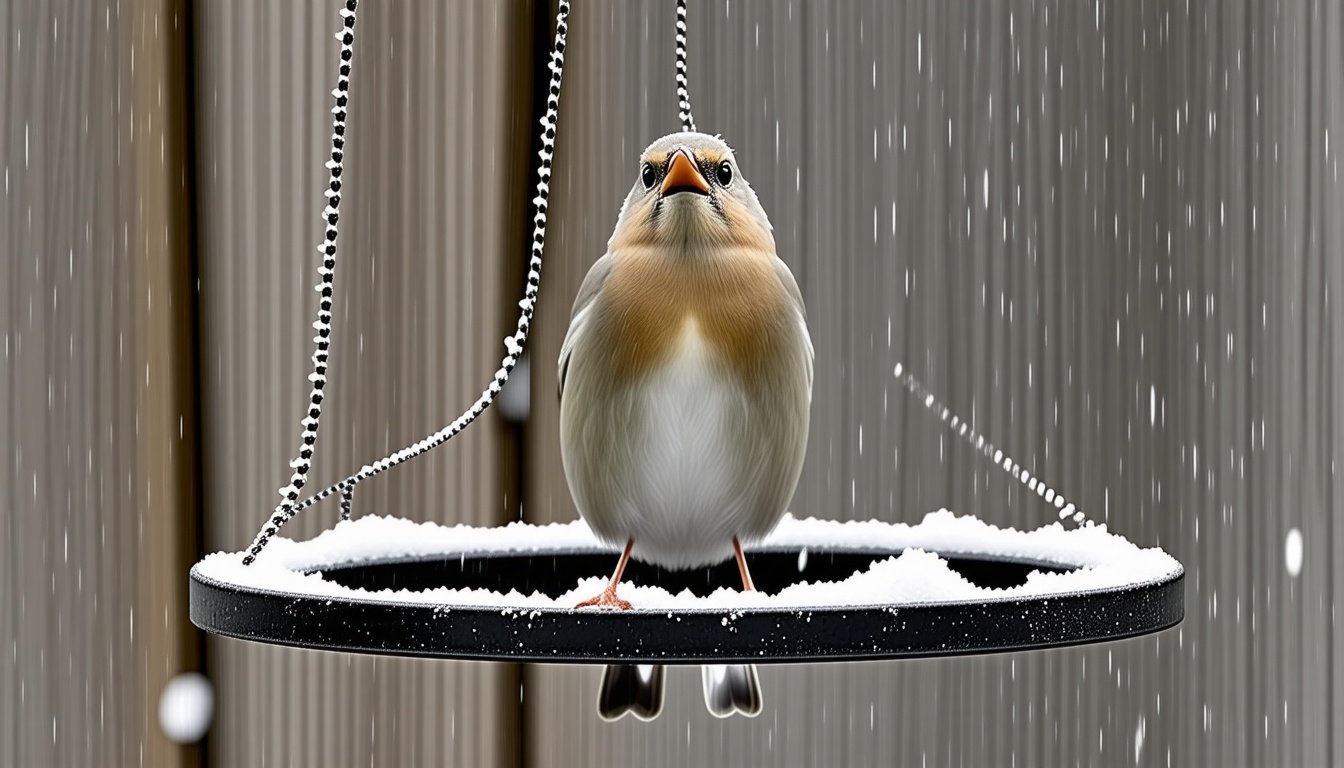
When the cold months creep in and the garden turns quiet, it feels like the whole neighborhood is holding its breath. Birds, our tiny feathered friends, suddenly become the most vivid splash of life against bare branches and gray skies. Watching them flutter about, I often wonder: how can I do more than just toss a handful of seed on the ground? How can I actually adapt my garden to be a real lifeline for these birds during winter’s chill?
It turns out, a little thought and care can turn your outdoor space into a cozy, welcoming spot for birds who might otherwise struggle until spring. This isn’t just about putting out a feeder and hoping for the best. No, it calls for a season-by-season approach, paying attention to what different birds need at different times, and making the garden their go-to food and shelter hub. Trust me, it is a labor of love, but watching a chickadee or nuthatch boldly bust through the cold to grab a snack feels like a small miracle every time.
Setting the Scene: Why Adapt Your Garden?
Winter is tough—on humans and birds alike. When snow covers the ground and frosty winds whip through, food becomes scarce. Birds lose their usual seeds, berries, and insects. They burn energy just staying warm. That means my garden has to be ready, not just with food, but with a little extra thought: shelter, water, and food suited to their tastes and needs.
Feeding birds is more than a hobby. It feels like a tiny act of kindness, a handshake across species to say, “I see you, and I’ve got your back.” But it is also a little tricky. Different birds want different foods, and seasons shift what those choices should be.
Winter is Coming: Thoughtful Feeding, Not Haphazard Tossing
Winter bird feeding is not about random birdseed sprinkled all over the place. You want to think about nutrition, variety, and accessibility. Here is where adapting your garden really pays off.
First, I replace empty flower pots with feeders. Not just any feeders, but ones designed for the birds I see most often in my yard. I pay attention to the size and style depending on the bird species—small holes for finches, open trays for jays, suet feeders for woodpeckers.
Offering the Right Food for Winter Birds
- Black-oil sunflower seeds: These are a favorite for cardinals, chickadees, and many sparrows. The high-fat content helps them stay warm.
- Suet cakes: These little fat blocks with seeds or nuts inside are like bird energy bars. Woodpeckers, nuthatches, and wrens go crazy for them.
- Peanuts: Shelled or in feeders, they attract jays and titmice who crave protein.
- Nyjer seeds: Tiny but mighty, these draw goldfinches who refuse any other food.
- Dried berries: I scatter these around to mimic natural food sources for robins and waxwings.
It feels like setting a personalized menu for your guests, and they come back again and again knowing they will find exactly what they need.
Seasonal Bird Feeding Guide for Different Species
Not all birds eat the same stuff all year round. I have learned to match food to species and season, making my garden a reliable buffet no matter the month. Here is a simple seasonal guide I have cooked up based on what I have seen in my own backyard.
Fall: Preparing for the Hard Times
In autumn, birds are busy fattening up. They want food that will help them build energy reserves for cold days ahead or fuel long migrations.
- High-fat seeds and nuts: Sunflower seeds again take the lead, but adding peanuts and even corn helps.
- Fruit trees and bushes: I plant and keep native bushes like viburnum and holly around because birds love picking at the berries.
- Leave seed heads: Instead of chopping down plants like coneflowers and sunflowers, I let birds have them. It is like a midnight snack bar left open 24/7.
Winter: The Real Test
This is when the garden really needs to do the heavy lifting. Snow covers natural food. Everything freezes solid. Birds rely on predictable, calorie-packed treats.
- Suet and nuts: These are the rock stars during hard freezes.
- Water source: A heated bird bath or one in a sunny spot stops water from freezing, letting birds get the hydration they need.
- Shelter plants: Evergreens and dense bushes provide windbreaks and refuge. I keep my cedar and juniper trimmed but full.
Spring: Feeding New Life
By spring, many birds switch from seeds to insects. Baby birds especially crave protein to grow strong.
- Mealworms: Live or dried mealworms are a fantastic protein source.
- Nesting materials: Soft grasses and small twigs placed nearby help parents build cozy homes.
- Cleaning feeders: I make sure to clean everything out from winter grit and mold to keep birds healthy.
Creating a Winter Wonderland Refuge
Feeding is only half the story. I like to think of my garden as a bird-friendly house with food, water, and room to hide from the frost.
Making Shelter
Birds need places to hide from predators and cold winds. My secret weapon? Evergreens. I planted a mix of cedar, holly, and juniper over the years. They keep leaves and needles all winter long, creating live windbreaks. Crazy how a little greenery can transform a cold yard into a cozy spot.
I also keep piles of brush and leave leaf litter untouched. Even dead branches can be homes for bugs, which some birds feast on. Plus, if you love woodpeckers or nuthatches, dead trees or “snags” are their favorite.
Water, Water Everywhere
Water freezes in winter, but birds cannot drink ice. Providing fresh water is a lifesaver. I bought a heated birdbath because it makes a huge difference. Alternatively, placing bowls in sunny, sheltered spots helps keep water liquid longer.
Watching and Learning
One of the best parts of adapting my garden? Watching which birds show up and what they prefer. It is like getting a personal invitation to their lives. Sometimes, I notice a new species I never expected. Other times, a usual visitor shows up looking a little thinner, reminding me why this matters.
Bird watching with a cup of hot tea in winter feels like a secret garden party. I keep a little notebook and jot down who comes by, when, and what they eat. It is fun to connect the dots between seasons and bird choices.
Some Quick Tips That Made all the Difference
- Rotate feeders so they do not become magnets for disease.
- Keep feeders clean and dry to stop mold and spoilage.
- Scatter seed on the ground for ground feeders like juncos and doves.
- Put feeders where cats cannot reach, or place them high in trees.
- Create layers in your garden—tall trees, shrubs, and low plants—to offer birds options.
Final Thoughts (But Not a Fancy Wrap-Up)
The cold months can be harsh, no doubt about it. But turning your garden into a bird-friendly place is like opening a tiny sanctuary in the midst of winter’s bite. It is not just about feeding; it is about caring, watching, and celebrating life that keeps going despite the frost. The birds remind me every day that warmth comes not just from sunshine but from kindness—kindness extended with a handful of seeds, a heated bath, or a patch of evergreens.
So go ahead, try it out. Plant a bush, hang a feeder, leave those seed heads standing tall. Your garden will not just look better in winter—it will sing, chirp, and dance through the cold, a little slice of hope for all of us who watch and listen.