
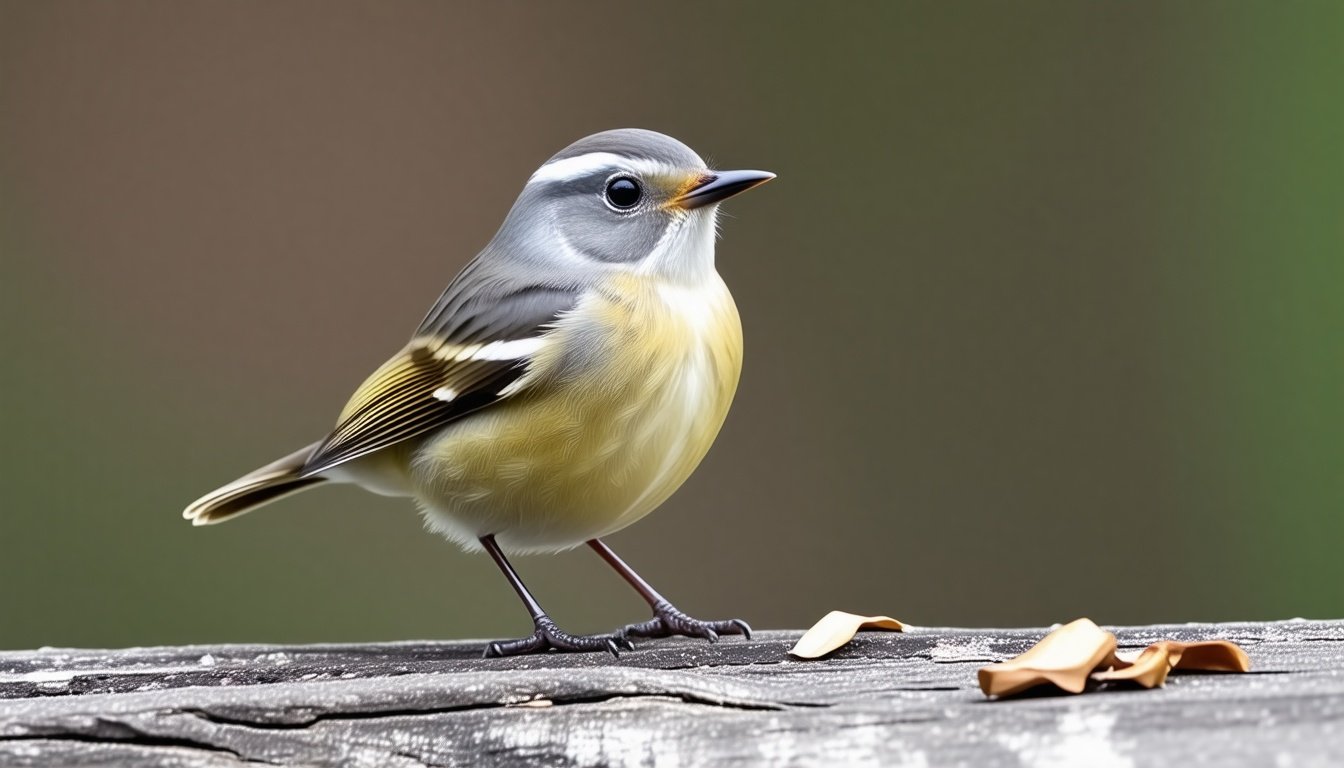
There is something quietly mesmerizing about watching warblers flit through trees, their little bodies shimmering with color like tiny, winged jewels. I have always felt a kind of secret joy knowing these delicate birds visit my backyard. But over the years, I learned one thing for sure: feeding warblers is not a “set it and forget it” project. No, it is a dance through the seasons, a little change here, a tiny tweak there. Especially come fall, when these birds start shifting their diets before their long journeys south.
Why would I change the kinds of food I put out for warblers in fall? Well, it is because their needs transform. They do not eat the same things in October that they did back in May. Nature nudges them to eat differently, and if we want to help our feathered visitors thrive, we have to listen.
Warblers: Tiny Travelers with Big Appetites
These little guys spend their summers gobbling insects, spiders, and all sorts of juicy bugs. It is their protein buffet, fueling all that energetic flitting. They are like the runners who chomp on energy bars before a big race—only their race is a migration thousands of miles long.
But when September rolls around and the insect population shrinks, warblers start switching gears. They need more fats and sugars to fatten up for migration, so they turn toward berries, fruits, and sugary nectar. Their food preference shifts from protein-packed bugs to energy-dense treats.
That means if you want to keep your warbler guests satisfied through the seasons, your feeder setup has to shift too.
Why Does This Matter?
It is easy to think birds eat the same thing all year—seed mixes, peanut butter treats, or suet. But warblers have delicate diets and fast metabolisms. They are picky and very sensitive to their environment. If you keep putting out summer foods in the fall, you might be leaving hungry birds staring at your feeder, waiting for a meal that does not fit their fall nutritional needs.
Changing food helps them fuel their bodies correctly. It can mean the difference between a successful migration and one that is exhausting or even dangerous.
How I Change Food Types for Warblers in Fall
It is not complicated. It just requires tuning in to what warblers want and need during this transition. Here is what I do every year, and it feels like a little ritual of caring and paying attention.
1. Cutting Back on Live Insect Foods
In spring and summer, I leave out mealworms and crickets near my feeder setups. Warblers love them, and they help with their breeding season energy needs. But come September, I gradually reduce these live insect offerings. Why? Because there are fewer insects around, and warblers naturally start looking for other sources of energy.
It does not mean they stop eating bugs completely—they still forage for what they find outdoors. But at the feeder, I switch focus.
2. Adding Fat-Rich Foods
Fats are like the concentrated fuel for migration. I add suet cakes mixed with berries or fruits. I also hang fruit pieces—like chopped apples or small grapes—where warblers can pick at them. This helps provide the kind of energy warblers need as their bodies prepare for the long haul.
One thing I learned: warblers do not go crazy for plain suet like woodpeckers might. They prefer suet mixed with fruit or even spicy bits like pepper flakes. It sounds odd, but nature designed warblers’ taste buds for variety.
3. Putting Out Berry Bushes Nearby
This one is not strictly about the feeder, but it is a sweet way to support warblers naturally. I planted native berry bushes around the yard—like elderberry, dogwood, and sumac. As fall arrives, those berries become a natural buffet for all kinds of birds.
When I see warblers hop on branches and peck at the berries, I smile. It is like seeing a well-prepared table for them outdoors, beyond my feeders.
What Kind of Foods Work Best for Warblers in Fall?
It depends a bit on the species and your location, but here is my simplified list based on years of trial and error:
- Berries: Small, juicy berries like elderberries, serviceberries, blueberries, and blackberries.
- Fruits: Apples, grapes, and even small pieces of oranges or pears.
- Suet Mixes: Suet blended with dried fruits or seeds; avoid plain fat-only suet.
- Nectar: Some warbler species sip nectar, so homemade sugar water feeders (like hummingbird feeders) can attract them.
- Mixed seeds and nuts: Small amounts, mainly for species that also enjoy seeds.
Keep the food fresh and clean. Moldy or stale food can make birds sick, and no one wants to be responsible for that.
Fun Fact:
Warblers rarely eat the common birdseed mixes you see everywhere. They are mostly insectivores and frugivores, so if you want to attract warblers, skip the sunflower seed blends. Instead, think “fruit and bugs” and your yard will become a magnet for these colorful birds.
Other Birds and Their Seasonal Food Changes
Warblers are only one part of the story. Different birds switch up their diets too. Here are two more examples to keep you thinking like the ultimate bird feeder in fall.
Finches: From Seeds to Tree Sap?
Finches love thistle and nyjer seeds through spring and summer. Come fall, some finches shift to eating tree buds and sap, especially during cold snaps. I have noticed that adding suet feeders in fall attracts finches more than before.
So, similar to warblers, finches benefit from a little menu update as the seasons cycle.
Sparrows: The Seed Munchers Who Crave More Protein in Fall
Sparrows generally love seeds all year, but in fall, they seek out insects more than usual to build up energy reserves. Providing live or dried mealworms alongside their seeds makes my yard a sparrow hotspot come September and October.
How to Know When to Switch Foods?
Signs come in little hints. I watch what the birds do and how often they visit. Sometimes, the warblers stop eating certain foods even though they are fresh and inviting. Or they suddenly start hanging around berry bushes and ignoring feeders filled with insects. When I see that, I take it as a cue to change up the menu.
Temperature and daylight matter too. When the days shorten and mornings feel crisp, birds are already thinking about migration. Time to get the kitchen ready.
Why All This Matters to Me
Caring for these little travelers feels like a quiet act of kindness. It is like offering a safe pit stop on their marathon of life. I do not just want to watch pretty birds—I want to help them thrive.
Some days, when the warblers visit my yard and enjoy the changed food options in fall, I feel like we are part of the same story. A story about survival, change, and simple generosity.
So, if you love warblers or any other birds that change their eating habits with the seasons, try switching things up this fall. Notice the small shifts, try a few new foods, and watch what happens. Trust me, it will feel like a secret handshake with nature.
And, if you happen to get a warbler giving you that quick flash of yellow or a wink of orange, you know you did something right.