
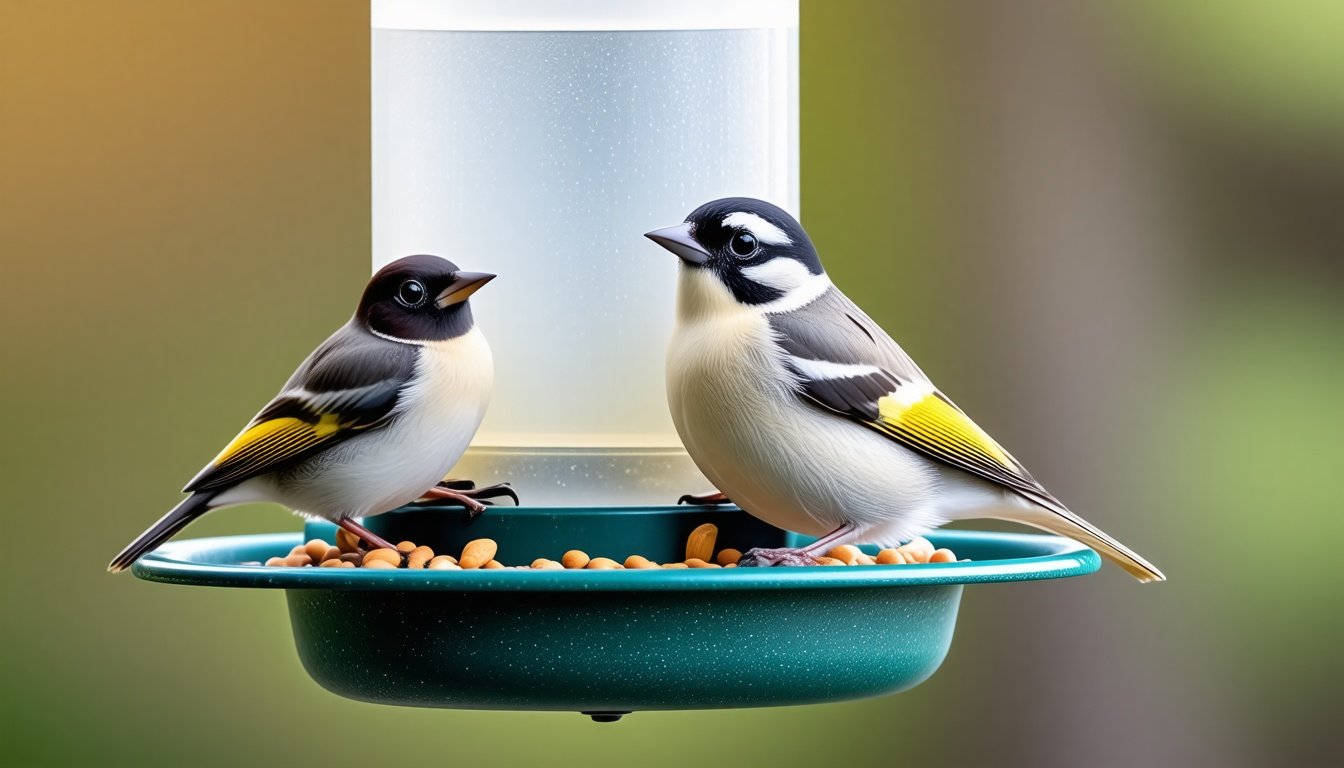
There is something magical about watching birds flit around your yard, especially when the seasons start to shift. Autumn does not just bring cooler air and colorful leaves; it also invites a fresh set of bird visitors that change the whole vibe of birdfeeding. Suddenly the same old peanuts and sunflower seeds need a little tweaking—or maybe a full makeover. I found myself standing at the feeder last week, realizing that sticking to my summer routine was like trying to wear flip-flops in a snowstorm. It just would not work.
If you have been feeding birds for a while, you know what I mean. The species that bashfully fluttered through in spring and summer start swapping places with new, sometimes unexpected, guests. You get to know their personalities, their tastes, their little quirks. And soon enough, you have to rethink what you put out there. It feels less like feeding and more like hosting a constantly changing shindig where the guests have very particular appetites.
So here I am, pivoting my whole birdfeeding setup because fall has landed, and with it, some new, feathered friends. The switch is not just fun—it is also a little emotional. I love the summer birds too, but this new crowd brings stories of migration, survival, and quiet strength. And if you are curious about how to keep your backyard buzzing with the right kind of visitors all through the colder months, I have rounded up my favorite seasonal tips on how to feed different bird species in fall. Let us get to it.
Why Change Your Birdfeeding Routine in Fall?
When summer fades, the bird world morphs in surprising ways. Some species leave, heading south to warmer spots, while others arrive freshly exhausted from long flights. They have different energy needs, taste buds, and even hunting habits. So just offering the same food you did all summer is like serving ice cream to a bear ready for winter. Sweet, but not quite what they need.
Fall birds need fuel. Lots of it. They have big journeys ahead or cold months to survive. Think of them as hungry travelers stopping by for a quick buffet before the next leg of their trip. If you want to invite them over (and who would not?), it is time to change your menu.
Feeding Fall Birds: What Changes?
At first, you might feel overwhelmed. After all, the backyard crowd does not hand you a list of their favorite snacks. But watch closely, and the clues come fast. Here is what shifting your routine usually looks like.
- Fresh seeds get company. Sunflower seeds will still attract many birds, but adding fat-rich foods like suet can really make some species swoop in.
- Food variety skyrockets. Think berries, nuts, and fruits. Nature feeds birds in layers during fall. Mimicking this helps your feathery guests thrive.
- Feeding times might shift. Birds often come earlier or in more concentrated flocks. So keep those feeders topped up!
Meet the New Guests: Which Birds Come in Fall?
Before you grab your seeds, it helps to know who is arriving to your backyard party. Here are some common fall arrivals and a little about their feeding style.
1. Juncos
These little gray and white sparrows are like the cozy boots of the birdworld—low-key but always welcome. They arrive in flocks, hopping on the ground searching for seeds mostly. They love black oil sunflower seeds and millet. If you have small feeders or just sprinkle seeds on the ground, you are in business.
2. Cedar Waxwings
Waxwings might look like they belong to a fancy Broadway show with their sleek feathers, but their favorite food is surprisingly simple: berries. In fall, they feast on wild cherries, hawthorn berries, and any fruit tree leftovers. Toss some fresh berries or install a native berry bush nearby, and you will see these beauties show up fast.
3. White-throated Sparrows
These guys are shy at first but get bolder as the season goes. They like seeds—especially sunflower seeds and cracked corn. Like juncos, they prefer eating on or near the ground. A low feeder or ground feeding spot with fresh seed keeps them happy.
4. Downy and Hairy Woodpeckers
Woodpeckers stay year-round but become more active at feeders in fall. They adore suet. If you do not have suet feeders, now is the time to grab one. These birds need the extra fat to prepare for the colder months.
5. American Goldfinches
In fall, goldfinches trade their bright yellow summer garb for an olive-brown winter look but still love the same treats: nyjer and sunflower seeds. They prefer tube feeders with small holes to keep the nyjer from spilling.
How I Changed My Setup for Fall
After noticing a cluster of new birds acting like they just discovered free food heaven, I gave my birdfeeding routine a solid makeover. I added a mix of feeders, fresh food types, and adjusted where I put everything. Here are the things that made a difference:
- Added Suet Feeders: I set up a couple of suet cages near old oak trees. Woodpeckers arrived within days and even some chickadees showed up for a bite.
- Introduced a Ground Feeding Station: Instead of relying only on hanging feeders, I placed a shallow tray with a mix of cracked corn and sunflower seeds near a brush pile. Juncos and sparrows loved it.
- Planted Berry Bushes: I got some native dogwood and serviceberry bushes which will bear fruit in early fall. The waxwings began circling as soon as the berries started turning.
- Switched Seed Mixes: I swapped out basic sunflower seed mixes for black oil sunflower seeds, which seem to be the fall favorite.
Each little change felt like I was inviting a new set of friends into my yard. It was a slow dance of trial and error, watching which birds showed up for which foods, then tweaking the setup. Sometimes the birds whisper their preferences louder than any bird book ever could.
Tips for Feeding Birds in Cooler Weather
It gets cold. Really cold. Birds need better fuel and safer places to eat when snow covers the ground or ice makes water scarce. Here are some simple tips I use to keep my feathered friends happy when temperatures drop.
- Keep Feeders Full: Birds burn a lot of energy staying warm. Regularly topping up feeders means less time wasted searching for food and more time staying cozy.
- Provide Fresh Water: Water freezes fast. A heated birdbath or regularly changing water helps them hydrate without risk.
- Use High-Energy Foods: Suet, peanuts, and black oil sunflower seeds pack a fat punch birds need to power through chilly days.
- Clean Feeders Often: Moldy seeds or dirty surfaces can make birds sick, especially when their immune systems are tired.
Why It Feels So Good to Change My Routine
Changing my birdfeeding routine has become a kind of autumn ritual. There is something soulful about recognizing that nature does not stay still—and neither should we. Feeding birds is not just about throwing out some seeds and hoping for the best. It is about listening to the world around us, understanding tiny lives that connect us to something wild and wonderful.
Some days the birds show up in surprise flocks that make me laugh. Other days, it feels like a quiet companionship as chickadees nibble near the window while I sip my coffee. Adjusting the food, the feeders, the timing—it all feels like a gesture of care. Like saying, “Hey, this yard is yours too.”
And here is a thought: the birds will come. They always do. But when you make the effort to tune into their needs, it is not just feeding. It is a conversation. A tiny, beautiful part of the season’s story unfolding right outside your door.
Final Thoughts on Birdfeeding in Fall
So, if your yard feels quiet or your feeders have become an unappreciated snack bar for just a few lonely birds, it may be time to shake things up. Look for what new species might be migrating through your region and what they crave. Switch your seeds, add new feeders, plant some berry bushes, and maybe toss in some suet for good measure.
Changing the birdfeeding routine is a little like cooking with new ingredients—you might not get it perfect on the first try, but the process is half the fun. Plus, the delight of seeing a bright-hued waxwing feast on berries or a fluttering flock of juncos hopping around your ground feeder? Priceless.
So here is to fall, new birds, and a backyard that feels alive with movement and song. And here is to changing things up, because sometimes, that is exactly what the soul—and the birds—need.