
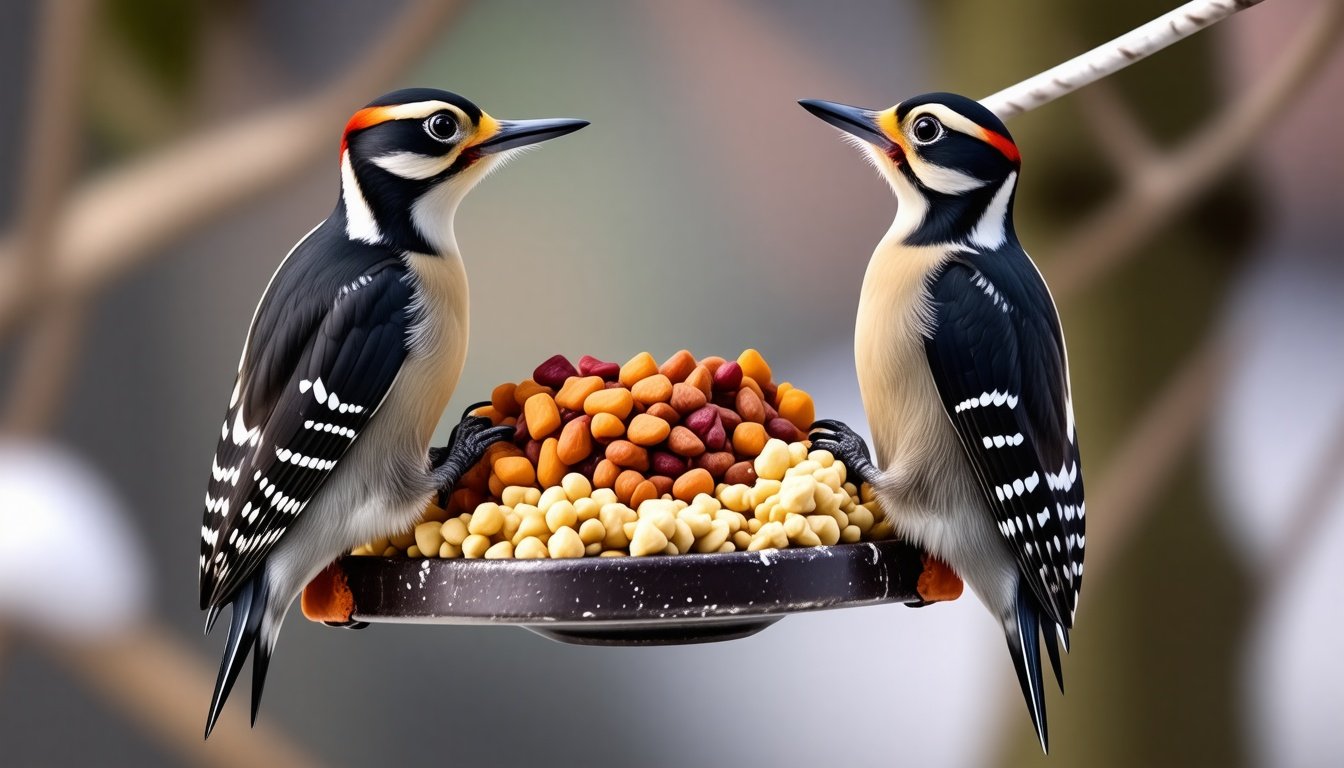
If you love watching woodpeckers at your feeder, you know there is something wildly satisfying about their bold, tapping presence. These birds are like nature’s little drummers, flashing their red caps or striking black-and-white costumes while pecking away at suet cakes like pros. But here is the thing no one often talks about: suet feeding is not a one-season job. No, my friend, feeding woodpeckers well means tweaking your suet offering as the weather changes. Because it turns out, woodpecker appetites—and the way we bait them—need to shift from chilly winter months to balmy summer days.
Why bother, you ask? Well, just like you would not want a thick wool sweater in the middle of summer, woodpeckers do not want the exact same suet treat every single month. They are smart little birds, and they respond to what the weather and nature throw at them. So if you want those gorgeous birds to stay around all year and keep showing off their antics, adjusting suet feeds is the way to go. Let us get into the nitty-gritty because, honestly, your backyard bird guests deserve the best.
What Makes Suet So Irresistible to Woodpeckers?
Before we even start talking about switching things up, it helps to understand why woodpeckers adore suet in the first place. Suet is basically the fatty part of beef or other animals, usually rendered and mixed with nuts, seeds, and fruits for a tasty bird snack. When it is cold, it acts like a high-energy bar for birds, packed full of calories to keep them warm and flying around all day.
Woodpeckers are built for tough winters. Their bodies use a lot of energy to hang onto trees and drum their beaks like relentless musicians. Suet gives them a quick, powerful burst of energy to fill up their bellies and fuel their work. But here is the big catch: when the temperature goes up, that same suet can become less appealing or even a little sketchy if it is sitting out too long. Birds do not want spoiled food any more than we do.
Cold Months: The Time for Classic Suet Goodness
When the first frost hits and the world outside becomes gray and frosty, woodpeckers turn to suet like it is their lifeline. During cold weather, the classic suet block with chunky nuts and seeds is like a warm hug in the freezing forest. Here is what to remember about winter feeding:
- Keep it solid: Cold weather means suet stays firm and fresh longer. Choose hard suet blocks or cakes that stay solid and do not melt.
- Go nuts: Woodpeckers love mixed suet with peanuts, sunflower seeds, or cracked corn. The crunch adds variety and extra fuel.
- Put it out early: Birds start searching for high-energy food well before the temperature drops too far. Have suet ready before the first snow.
- Hang it high: Woodpeckers prefer their snacks at eye level or up high on trees and feeders. It helps keep squirrels and other critters away.
In cold months, the suet block is the star of the feeding show. The fat content helps birds stay warm, keeps energy high, and can even help baby woodpeckers get a good start in life when insects are tough to find.
When Warmth Arrives: Time to Reconsider Your Suet Strategy
Summer comes, and suddenly the thick, fatty suet you loved is… well, a little gross. Imagine a blob of melting fat hanging in the sun. No birds want to eat that, and worse, it can attract bees, flies, and other unwanted guests. This is the moment when many people stop offering suet altogether. Big mistake.
Woodpeckers still need treats in the warm months, but they want a different kind of snack. The best suet feeders switch it up instead of quitting. Here is what to think about during the warmer seasons:
- Switch to suet cakes with fruit or jelly: Many birds love suet mixed with dried berries, oranges, or even a bit of grape jelly. It stays fresher and offers variety.
- Use suet feeders with ventilation: Look for designs that keep the cake from sweating or melting too fast by allowing air to flow through.
- Feed smaller amounts, more often: Place fresh suet out in small quantities and replace it regularly. This prevents spoilage and keeps the food appealing.
- Offer insect-based suet: In warmer months, woodpeckers crave insects and grubs. Some suet blends include mealworms or cricket bits to mimic this natural diet.
- Pair with fruit dishes: Adding fruit feeders or hanging orange halves nearby makes your feeding station a summer paradise.
If you try to keep a heavy, pure-fat suet block out all summer, you will see fewer and fewer woodpeckers stopping by. But if you offer the right kind of softer, fruitier suet, they will keep coming back again and again.
Let’s Talk Suet Storage and Handling Through the Seasons
You might be thinking, “Fine, I get it—suet changes. But does the way I store it really matter?” Absolutely yes! Suet is a bit like chocolate on a hot day—it can melt, get old, or just turn nasty without proper care.
Here are a few storage and handling tips that will keep your suet fresh and your woodpecker friends happy:
- Keep it cold before use: Store suet blocks in the freezer or refrigerator until ready to serve to keep them firm and safe.
- Use clean feeders: Wash suet feeders regularly with warm water to prevent bacteria build-up and keep the food tasting good.
- Watch the weather: Do not leave suet out in full sun for too long. Try to place feeders in shaded or semi-shaded areas during summer.
- Rotate frequently: In warm weather, suet can spoil quickly. Only put out what birds can eat in a day or two, then replace with fresh suet.
When you handle suet like a pro, your bird visitors will keep coming with big red heads bobbing and tails flicking happily.
Suet Feeding Tips for Year-Round Woodpecker Watching
So, how do you make your suet game unbeatable all year? Here are some simple but game-changing tips to keep woodpeckers tapping and entertaining you every season:
- Observe and adapt: Watch which suet types your local birds prefer as the months change. Nature is the best teacher.
- Use different suet flavors: Mix it up with peanut suet, berry blends, or insect-packed cakes to keep things interesting.
- Feed consistently: Woodpeckers love routine. Keeping your suet station going without long breaks builds trust and regular visits.
- Keep squirrels in mind: Use cages or baffles designed for suet feeders to reduce thieving by bushy-tailed bandits.
- Complement with other feeders: Woodpeckers also go for sunflower seeds, peanuts, and even suet nuggets. Broaden your menu.
- Give them space: Woodpeckers value privacy. Position feeders where they can feed comfortably without constant disturbance.
If all this sounds like a lot, do not worry. Feeding birds is a slow, joyful learning process. The more you watch, the more you will know. Plus, woodpeckers repay your efforts with unforgettable moments of wild beauty and a bit of drumming happiness.
Why Woodpeckers Teaching Us to Change with the Seasons Is a Good Thing
There is a quiet lesson in how woodpeckers respond to the seasons and their food. They remind us that change is the only constant and that being flexible makes survival—and joy—possible. You cannot feed a winter snack in summer and expect happiness. Life, birds, and even backyard feeders all move with the clock.
Feeding woodpeckers year-round with suet is like a relationship. It takes attention, patience, and a bit of creativity. But the pay-off? Watching those beautifully bold birds year after year, hearing their quick staccato taps that feel like a secret drumbeat for your soul.
So, when the cold months roll around, load up on solid, fatty suet packed with nuts. When the warmth creeps in, switch to soft, fruity blends and smaller, fresher portions. Your woodpeckers will thank you with head-first dives into the suet cage and songs that brighten even the dreariest days.
Now, go on. Get that suet feeder ready for its seasonal makeover. Your woodpecker audience is waiting. They want to drumming show to go on, and you are the star of the feed.