
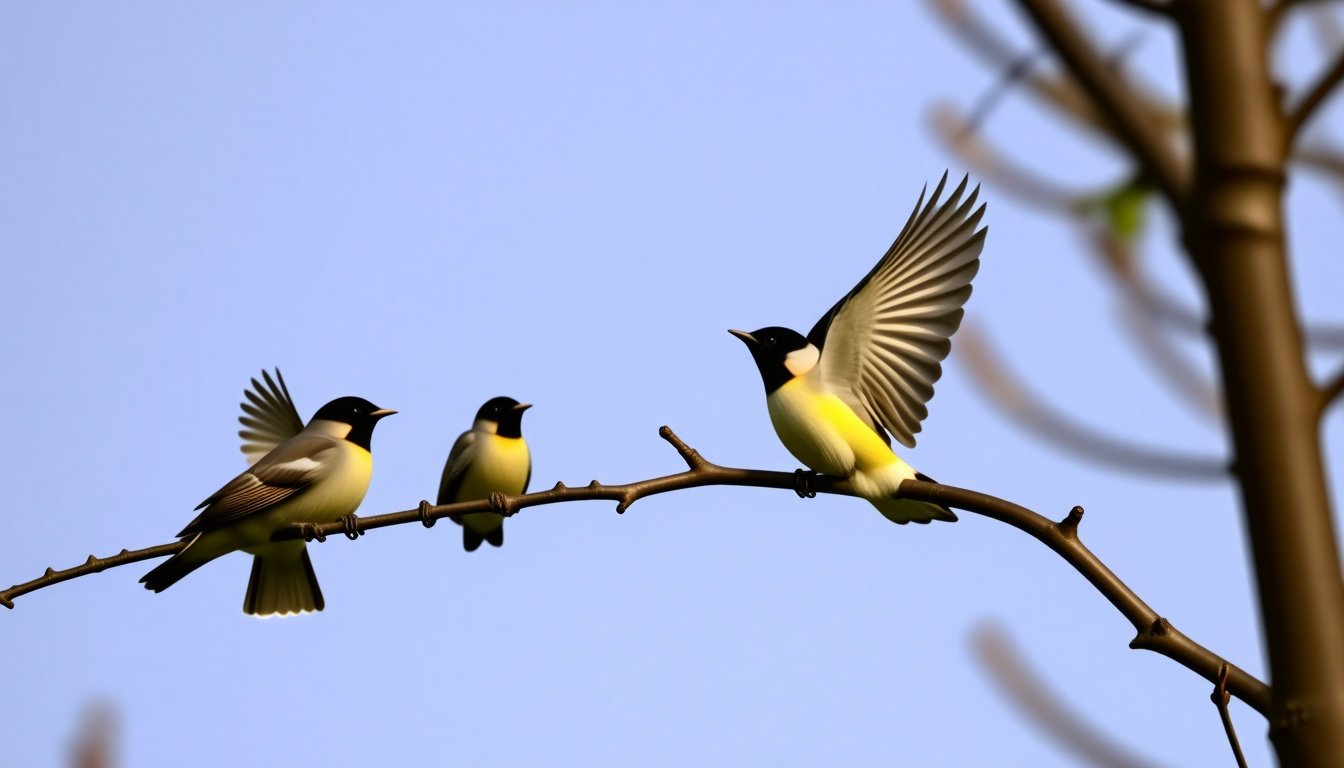
I never thought my backyard could be a pit stop for the tiny travelers that fly thousands of miles each year. Migratory birds. You know, those incredible little creatures with wings like tiny helicopters, fluttering across continents? Yeah, those guys. Watching them pause here, in my own patch of green, got me thinking: How can I help them refuel quickly and keep on their epic journeys? I mean, if I had a long road trip, I would want a cozy, well-stocked rest stop, too.
So, I started playing backyard scientist—mixing little feeds, swapping out plants, and watching keenly what worked and what didn’t. Turns out, helping migratory birds in their marathon flights is a bit of an art but mostly just paying attention to their needs through the seasons. Here’s the good news: you do not need a PhD in birdology. Just a sprinkle of patience, a dash of curiosity, and a sprinkle of kindness.
Let me take you through what I learned about making my space bird-friendly depending on the season and who’s passing through. It is a wild ride filled with seeds, bugs, and a few unexpected moments of bird gossip.
Spring: The Great Awakening and Energy Loading
Spring is like the morning pre-run stretch in the migratory bird world. Birds are waking up hungry, with long flights ahead. They cannot just nibble on crumbs; they need fuel that gives them energy without making them draggy. You might notice the bird variety changes during spring. My backyard suddenly becomes a pit stop for warblers, hummingbirds, and orioles.
Feeding Hacks for Spring Travelers
- Sweet nectar for the hummingbirds: I make a simple mix of four parts water to one part sugar, boil it, and let it cool. That magic potion keeps those tiny hummingbirds buzzing in no time. No red dye—birds do not need artificial colors.
- Mealworms for protein boosts: Yes, it sounds gross, but mealworms are like little protein bars for insect-eating birds. I buy live or dried ones from bird shops and scatter a handful near my feeders.
- Soft fruits and berries: Orioles and some thrushes love fruit. I slice up oranges and hang them on branches or place blueberries on a tray for a natural snack.
What surprised me was how much the birds synced their arrival with my backyard’s blooming time. The fresher the flowers, the more I saw the hummingbirds flocking around. Their quick stop-and-go feeding style taught me to keep the feeders clean and the food fresh. Nobody likes a grimy gas station, right?
Summer: Party Time But Still a Dash of Caution
Summer feels like the birds’ pit stop for a break rather than a full refuel. Most migratory birds are settled either north or south by now, but some late travelers or young birds need help before the big scoot back. Plus, this is the time when insect abundance changes the whole menu.
Summer Feeding Tips for Different Birds
- Swap in high-fat seeds: Sunflower seeds are the superheroes here. Black oil sunflower seeds pack tons of oil and calories that help build fat reserves.
- Water, water, water: Birds drink and bathe to cool off. Summer in my backyard means I set up shallow water dishes or a mister for a daily bird shower.
- Leave some wild insect hotels: Cutting back on pesticides and planting native flowers invites bugs that birds snack on. It is a win-win, making my yard lively and providing free protein bars for birds.
One afternoon, I caught a chickadee stealing a sip from my water dish, fluffing its feathers with delight. Summer is not just about food but hydration, something I admit I sometimes forget for my own self—and hey, that little bird was a good reminder.
Fall: The Last, Furious Fuel-Up
Ah, fall. The big deal. The pit stop where every calorie counts. This is the time when migratory birds are like runners sprinting to get to the finish line of their epic journey—preparing to face long, chilly nights and no snacks for hundreds of miles. Every seed, berry, and suet cake matters.
Fall Fuel Tips That I Swear By
- Suet cakes for steady energy: These fat-packed blocks are like bird energy bars. I get suet mixed with seeds and dried fruits to keep a variety of birds happy.
- Keep sunflower seeds coming: The birds go through these like crazy. Filling feeders every other day is my routine—sometimes daily when I see the influx.
- Plant berry bushes: Native plants like elderberry, dogwood, and sumac offer natural treats that last well into fall. This makes the yard look prettier and saves me from rushing to refill feeders.
I will tell you something honest: the arrival of dozens of birds in fall makes me feel like a VIP host. They come in flocks, chatter loudly, and remind me that the world is full of magic that flies by unnoticed. All my stocking and cleaning? Worth it a hundred times over.
Seasonal Bird Feeding Summary
- Spring: Sweet nectar, mealworms, soft fruits.
- Summer: High-fat sunflower seeds, clean water, insect-friendly plants.
- Fall: Suet cakes, sunflower seeds, berry bushes.
Changing the offerings with the season is a game-changer. Birds do not want the same breakfast every day, and neither do I! Switching it up keeps them coming back, energized and ready to fly.
Little Backyard Tricks That Made a Big Difference
Feeding birds seasonally is the backbone of my backyard strategy, but I also learned a bunch of small details that make those tiny pit stops even better.
- Keep feeders clean: This is boring but important. Dirty feeders spread disease. I set a calendar to wash everything every week, sometimes more if it rains a lot.
- Multiple feeders, multiple species: I noticed some birds prefer hanging feeders, others like trays on the ground. Setting both options keeps the party inclusive.
- Quiet zones: Birds like safety. I left some bushes and tall grasses intact for hiding spots. When they feel safe, they eat faster and stay longer.
- Leave some natural mess: Fallen leaves and seed heads are a buffet. I resist the urge to be a neat freak and let my yard be a bit messy. Birds love that.
It feels like hosting guests who can fly, sing, and do loop-de-loops. The more comfort I give them, the more they repay with swoops and songs. Sometimes, late in the evening, I just sit and watch the show. It is the kind of therapy you cannot buy.
Final Thoughts (But Not a Boring Wrap-up)
Helping migratory birds refuel in my backyard is not just about scattering seeds; it is about becoming part of a bigger story. These birds carry the secrets of the skies, and giving them a little help feels like passing on a kindness thread. It is a dance with nature where each season changes the tune and my role shifts from spectator to helper.
So, if you ever think your backyard is too small, or the birds are too few, remember this: every little gesture counts. A splash of sugar water, a handful of seeds, a clean dish of water—all are tiny gifts on a colossal journey.
And who knows? Maybe next spring, when you see that flash of bright feathers darting by, you will smile, knowing you played a part in their incredible adventure.