
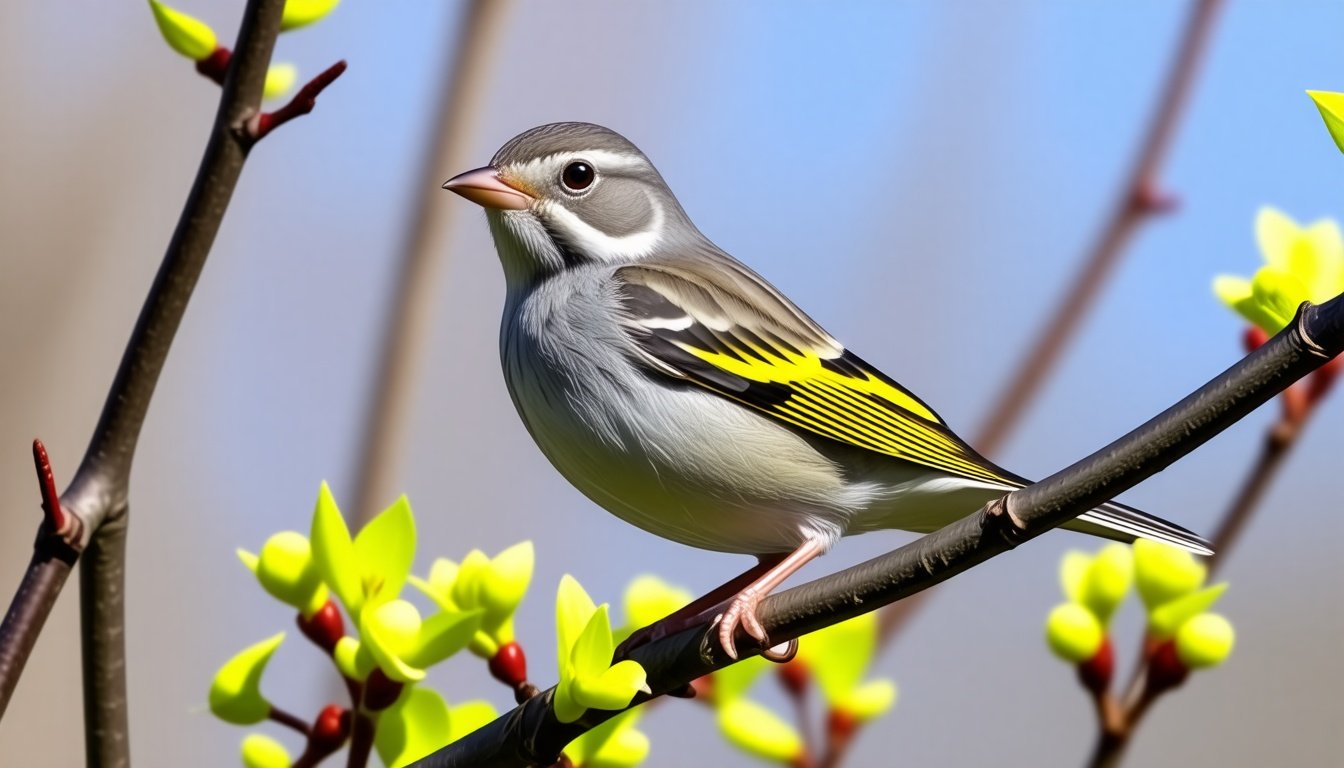
Early spring is a funny time for bird lovers. The air feels lighter, the days stretch a bit longer, and there is this tiny buzz of life waking up after winter’s nap. I decided to feed warblers this season — those tiny, flittery jewels that often seem like they belong to another, more magical world. I thought, “How hard can it be?” Grab some seeds, sprinkle them out, watch the party begin, right? Boy, was I wrong.
Feeding warblers in early spring surprised me in ways I did not expect. The experience wasn’t just about putting out food and waiting for birds to swoop in. It turned into this quirky, sometimes frustrating, always charming dance between nature’s timing and my own eagerness. Here is what surprised me the most, along with some friendly tips if you want to try this too.
Warblers Are Tiny Food Critics
These birds are so small, you might think they would eat anything you put in front of them. Nope. Warblers have tastes as specific as a picky toddler’s, and they care a lot about what’s on their plate. I tried sunflower seeds first, thinking they would go wild for them, like the sparrows and finches I usually feed. Nope, warblers took one look and zipped off. Maybe I looked like I was trying to poison them with seeds meant for bigger birds.
What warblers really want is insects — live, wriggly, juicy bugs. That complicates feeding them because you cannot just buy a bag of live bugs at your local store (I tried Googling it, no luck). So I had to get creative.
Try Mealworms or Insect Protein
- Mealworms: These squirmy little guys are a favorite treat. You can buy dried or live mealworms from many pet stores, and warblers go nuts for them.
- Beetle larvae: If you are lucky enough to find beetle larvae or other small insects, these work well too.
- Soft fruits: At times, warblers nibble on berries or tiny soft fruits, but these are more like snacks than meals.
So feeding warblers is less about seeds and more about mimicking their natural insect diet. That was my first big surprise.
Timing Is Everything — Spring Is Early, Warblers Are Later
Spring felt like the right time to feed my feathered friends. The snow had melted, crocuses poked through the dirt, and the air was crisp with promise. I set up my “warbler buffet” and waited. Days went by, with zero warblers. What gave?
Turns out, even though spring feels like a new beginning, many warbler species are still northward on their migration path, hitching long rides from Central or South America. Early spring is almost too early for some warblers to arrive at my feeder— and they are picky about their pit stops.
This means that if you want to feed warblers, you have to know when they are in your area. In many places, that is mid to late spring, not the very start. Feeding too early is like setting out a feast for guests who have not yet left home.
Watch for Migration Windows
Using apps like Merlin Bird ID or eBird can help you track when warblers are passing through. Sometimes the first sighting is a good hint to get your feeder ready.
Feeding Warblers Demands Patience and Stealth
Warblers are little hyperactive flurries of feathers — that is part of their charm. But it also means they are easily spooked. I leaned in to snap a photo and they vanished like smoke. Loud noises, quick movements, even shadows can send them flying.
You have to play it cool. No sudden moves, no loud talking, and definitely no chasing after them. I discovered a secret: patience is your best weapon.
Sitting quietly, sipping tea, or reading while the feeder is out can help warblers get comfy with your presence. They are curious, but cautious. Over time, they begin to trust a quiet human.
Seasonal Bird Feeding Basics: What Other Birds Want Right Now
Feeding warblers taught me a lot, but it also got me thinking about other birds and their spring cravings. Different species require different treats, especially as the seasons change. Here is a little guide I have put together, based on my own trial and error, plus countless birdwatching conversations:
1. Warblers: Insects and Soft Fruits
- Mealworms (live or dried)
- Soft berries (like blueberries or elderberries)
- Small insects found on foliage
2. Sparrows and Finches: Seeds and Grains
- Black oil sunflower seeds
- Millet and cracked corn
- Nyjer (thistle seeds) for finches
3. Blue Jays and Cardinals: Mixed Diet
- Peanuts (unsalted)
- Sunflower seeds
- Fruit pieces like apples or grapes
This mix attracts a happy, noisy crowd and sets the stage for some fantastic birdwatching. But if your heart is set on warblers, focus mostly on insects and wait for their arrival.
Feeding Warblers Is Not Just About Food
The more I fed these tiny birds, the more I realized that it was not their food they really craved from me. It was a little safe space. A place where they could rest, refuel, and feel okay about hanging out with a human nearby. That was unexpected.
Early spring is often chilly and unpredictable. Warblers fly thousands of miles and need a sanctuary during migration. Feeding them is not just about calories, but about trust and comfort.
A simple, quiet yard with fresh water, native plants, and a few well-placed snacks can become a lifeline. It felt like I was given a backstage pass to their secret world.
Some Quick Tips for Early Spring Warbler Feeding
- Start with a clean feeder: Birds appreciate clean dishes. Old food attracts mold and sickness.
- Use live or dried mealworms: These are the top warbler treats.
- Add native plants or bushes: Warblers love spots to hide and rest.
- Be patient and quiet: Let them come to you on their own time.
- Track migration: Know when warblers are likely in your area to prepare accordingly.
Why I Keep Trying Despite the Challenges
Feeding warblers is not as simple or fast as feeding chickadees or robins. Sometimes I feel like the warblers are judging me. Sometimes I question if I am wasting my time. But then, just when I think maybe I should give up, a flash of yellow, a quick but confident peep, a glimpse of a tiny, darting body reminds me why this matters.
There is magic in those moments, a reminder that nature plays by its own rules and timing. It humbles me. It makes me laugh at my own impatience. It feels like a secret handshake between me and the wild.
If you want to try feeding warblers, do it for the surprises, the little lessons, and the chance to feel connected to a world that feels too often just out of reach. You will learn they are not just tiny birds on wings; they are complicated, picky, beautiful souls.
And who knows? Maybe they will surprise you too.