
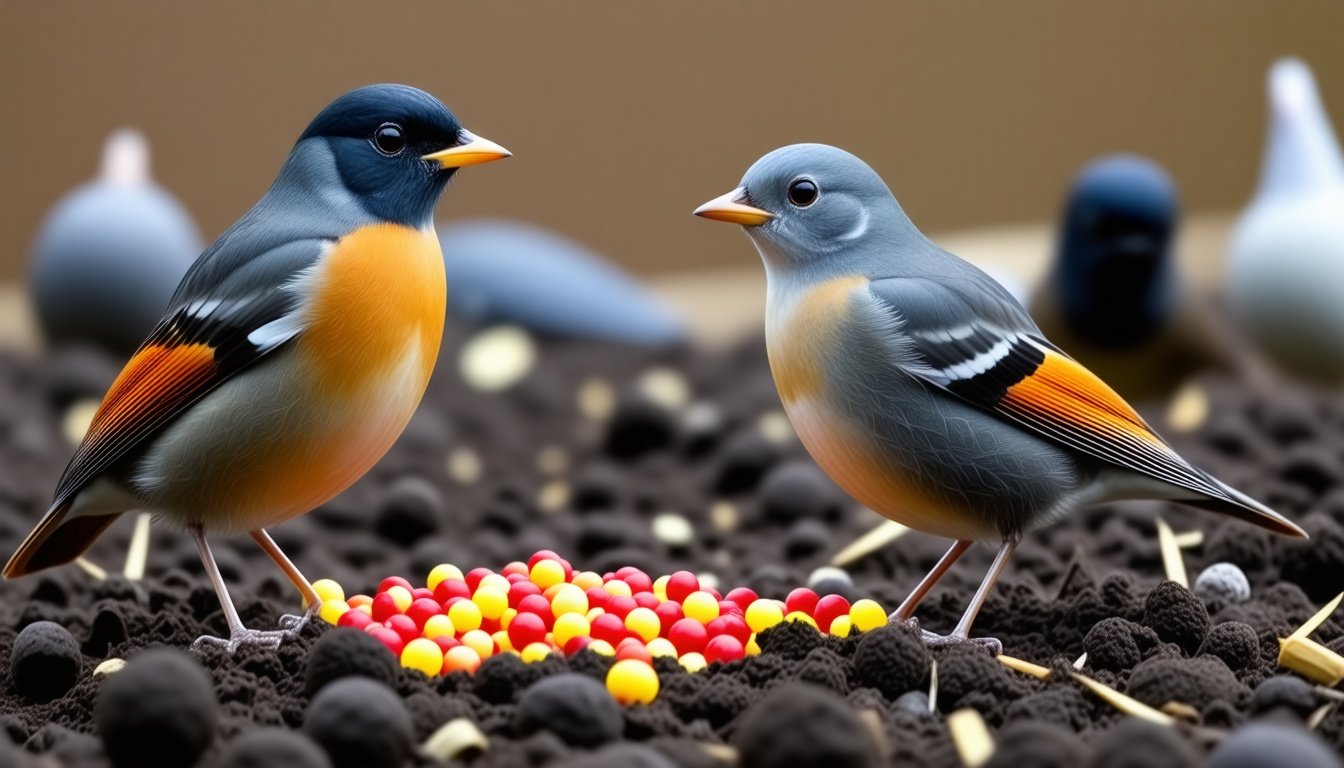
There is something quietly magical about watching birds flit and flutter through your backyard, especially during those awkward times when the crops around you are changing. You know the ones — when the golden corn stalks come down and the brown fields lie bare, or when the green shoots of wheat start to poke up, but the ground still feels a little too empty. Birds are out there looking for snacks, too. And if you are like me, you want to make sure that your flying visitors have a little feast handy, even when nature presses the pause button on the usual crop buffet.
Feeding birds during seasonal crop changes is not just about tossing seeds and hoping for the best. It is a kind of dance. A give-and-take with the rhythms of the land and the habits of the birds you love. You become part of their story. And that story shifts every season. It can be a puzzle, but it is also deeply satisfying when you figure out what those feathered friends really want at just the right moment.
When the Fields Go Quiet: Early Spring and Late Winter
Imagine this: The snow is just melting. The last frosts still nip at your nose. The fields that once fed countless birds all winter are now mostly empty or muddy. It is that tricky time when the birds are hungry, but the natural buffet is slim.
This is when I start my own feeding routine, mixing things up depending on who is likely to be stopping by. Here are some favorites that work well in this stretch:
- Black oil sunflower seeds: These bad boys are a powerhouse of energy and fat. They are tiny, easy to crack open, and loved by many species from chickadees to cardinals. I scatter them in trays or hang them in feeders that can keep the snow out.
- Peanuts (unsalted and shelled): Peanuts provide great fats and proteins. Blue jays adore them, and I have found they attract woodpeckers, too. Just be sure to avoid any that have salt or flavoring—it will upset the birds’ tummies.
- Nyjer seed: These tiny seeds are like little energy nuggets for finches—goldfinches especially. I use a special feeder with tiny holes so the seeds do not spill everywhere.
- Suet cakes: Fat is king this time of year. Suet, usually mixed with seeds and nuts, offers a calorie-packed punch to cold-weather birds. Woodpeckers, nuthatches, and chickadees flock to suet feeders like it’s a 5-star restaurant.
When I put these out, I see birds cautiously test the new options. They are a little shy at first, but hunger outmuscles fear. Little clusters form around feeders, like tiny feathered communities getting their share of comfort food before spring truly wakes up the earth.
What About Water?
Remember, fresh water is gold. Even when you provide food, if birds cannot find clean water, their visits will be short and infrequent. I keep a heated birdbath during freezes or swap water every day to avoid ice. It makes a world of difference.
The Busy Buzz of Summer: Feeding for Variety and Energy
Summer feels like a carnival for birds. The crops are tall and full, and insects are buzzing everywhere. You might wonder, “Do birds even need feeding then?” Good question. Many birds rely on natural food, yes, but some species also love a backyard snack here and there.
In my experience, summer is about variety and about giving birds a little extra energy boost during the breeding season. Bird parents are working overtime, feeding hungry chicks, and that kind of job burns serious calories.
- Live mealworms: This is the summer MVP. Mealworms are packed with protein, just what growing chicks need. I drop them into shallow trays, and watching the frenzy among bluebirds and wrens is like having a front-row seat to a bird buffet.
- Safflower seeds: Summer is a great time for safflower. Cardinals love it, and it tends to keep squirrels away (which I appreciate). It adds color and texture to my bird feeding mix.
- Fruit: Yes, birds do like fruit! I slice up apples, pears, or berries and place them on a platform feeder. Orioles, robins, and tanagers stop by for these sweet treats.
- Sunflower heads: If you grow sunflowers, letting the heads dry on the stalk is a natural bird feeder in itself. Birds peck away at the seeds while perched, and it feels like I get to share part of my garden’s bounty with them.
Summer feeding is almost like a party. You see colorful birds, energetic babies, and a happy mix of visitors. Sometimes, I feel like I am hosting a tiny outdoor concert—feathers flapping, chirps flying, a little chaos and a lot of beauty.
When Autumn Leaves Fall: Preparing for the Chill
Autumn has a different vibe. The air cools, daylight shrinks, and the crops are harvested or fading. This is the time to help birds build up their reserves before winter hits in earnest.
My approach changes again. I think about the long road ahead for many birds—some migrating, some preparing to stay. Food needs to be rich and reliable.
- Millet: This is a favorite for ground-feeders like sparrows and doves. I scatter millet on the ground because these little guys prefer to forage beneath feeders, not at them.
- Cracked corn: As a leftover from harvested fields, cracked corn is a cheap and filling option. I mix it into the bird feeding station but keep an eye out because squirrels find it delicious too.
- Mixed seed blends: A well-balanced seed blend with sunflower seeds, millet, and cracked corn covers all bases. I buy from local stores and sometimes add homemade mixes to customize for my regional birds.
- Suet again: If you think suet is just for winter, think again. It helps birds quickly gain fat reserves in fall. I change out old suet cakes and place fresh ones as temperatures drop.
Watching the birds grow plump for winter reminds me that nature’s rhythms are always moving, and so am I, trying to keep pace with the changing menu and the changing cast of characters visiting my feeders.
Handling Squirrels and Other Pests
Feeding birds is not always glamorous. Squirrels are sneaky, and raccoons love to make a mess. My secret? I use baffles on poles and keep feeders high off the ground where I can. Also, offering safflower seeds helps, because, believe it or not, squirrels do not find those seeds tasty.
Bird Species and Their Seasonal Food Preferences
Not all birds eat the same things all year round. Learning their habits changed my bird feeding game completely. Here are a few common backyard favorites and what I feed them through the seasons.
- Chickadees: Love sunflower seeds and suet. They come in winter and early spring mostly, hunting insects and enjoying fat-rich snacks.
- Blue Jays: Go nuts for peanuts and sunflower seeds. They are noisy and bold visitors who love variety.
- Goldfinches: Nyjer seeds are their favorite. They show up in late spring and summer when thistle plants bloom.
- Cardinals: Sunflower seeds and safflower are their go-tos. Cardinals have a strong beak that can crack tough seeds underneath the hull.
- Robins: More fruit than seeds, but they also eat worms and insects, so summer feeding is about offering mealworms or berries.
- Woodpeckers: Suet is the winner here. They peck away at fat mixed with nuts and seeds, especially in colder months.
When you match what you feed to who is likely to come, feeding feels intimate, like a secret handshake between you and the birds.
Some Stuff That Did Not Work for Me
Here is a little honesty moment: not everything we try flies. I once tried feeding bread to birds in autumn because a neighbor told me it was fine. Nope. It just turned into a soggy mess, attracted rats, and it was no good for the birds’ health. Lesson learned.
Also, whole corn kernels scattered on the ground turned out to be a squirrel magnet, and sometimes even more of a mess than a meal for birds. So, I switched to cracked corn, which they could easily eat but squirrels found less tempting.
I also tried putting out mixed nuts without removing salts and flavorings, thinking birds might love them. Big mistake. I carefully check labels now.
A Little Patience Goes a Long Way
One thing you have to remember: birds are wary. They do not always come right away. Sometimes, it takes days or even weeks for them to discover a new feeder or new kind of seed. Be patient. Keep the food fresh. And enjoy the wait.
Final Thoughts from My Backyard to Yours
Feeding birds during seasonal crop changes is like having a conversation with the earth. Some days, it is quiet and slow. Others, it bursts with chatter and energy. You learn to listen—not with your ears, but with your heart and eyes. Seeing birds survive and thrive, knowing you had a small part in their story, is simply wonderful.
Whether it is the cold ache of late winter or the lush buzz of summer, there is always a way to help. You just need to notice what the birds around you want, then give it to them with love and care.
So, grab some seeds, hang that feeder, fill the suet, and keep a fresh drink of water ready. Your bird friends will show up. They always do.