
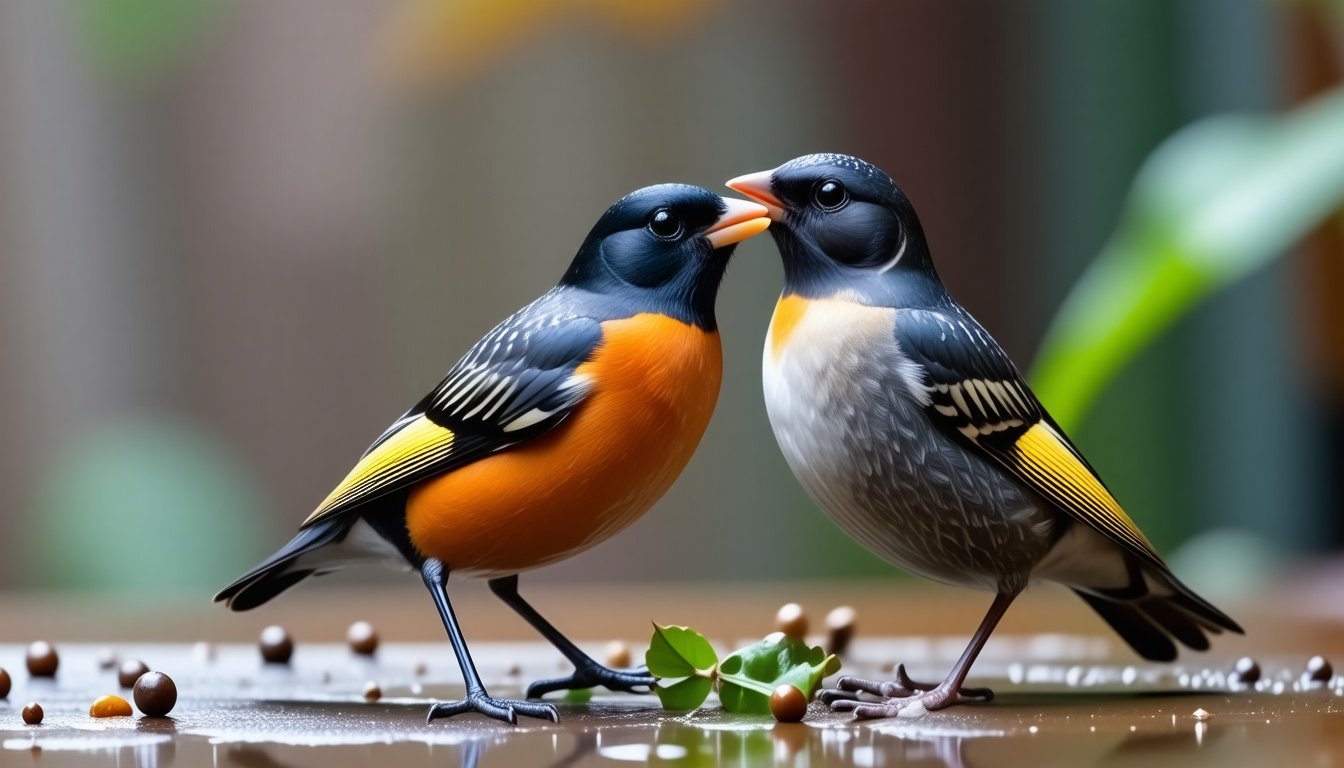
There is something quietly magical about watching birds at your feeder. Their tiny, twitchy heads, the way they flutter from branch to wire, the sudden bursts of song that feel like a secret shared just with you. But, here is the twist: feeding birds is not a one-size-fits-all kind of thing. It changes. Especially when the weather does. Wet seasons and dry seasons? They might as well be different worlds for our feathered friends.
I have spent years tinkering with my bird feeding routine, trying to figure out what to do differently when the skies pour versus when the sun blazes. It is not just about throwing seeds into a dish. It is about understanding what the birds need, what they want, and sometimes, what they are begging for when the rains come or the dust flies. Let me take you on my little journey and maybe help you give your wild neighborhood birds something a bit more thoughtful next time the weather flips.
Why Feed Birds Differently in Wet and Dry Seasons?
When you think about it, wet and dry seasons are completely different stories for birds. In the dry season, food and water can be scarce. Plants dry up, insects hide, and birds have to work harder to find their next meal. But during the wet season, it rains, plants flourish, insects swarm, and, in theory, birds should find food everywhere. So why feed differently? Because nature is sneaky. Even during the wet season, not all birds get equal access to food, and some still struggle. Plus, wet conditions change what food stays fresh and accessible.
So, by tweaking what and how I feed the birds, I try to tip the scales a bit, making those tough times easier and the good times feel even better.
Feeding Birds in the Dry Season: When Every Drop and Crumb Counts
Dry seasons feel harsh. The earth hardens, ponds shrink, and the air seems to crackle with heat. Birds become less vocal, and the ones you do see look thinner, scrabbling for scraps. This is the time where my bird feeding setup transforms into a mini oasis.
Water is King
During dry spells, I make sure to keep water fountains, bowls, or small birdbaths topped up and sparkling clean. Birds drink a lot, and water is life. I have noticed that even if I put out great food, if there is no fresh water, many birds won’t stick around. Sometimes I add a little shallow dish with moving water—a tiny drip or a gentle bubbler. This attracts birds like magic.
High-Energy Food for Hungry Flyers
Birds need calories, especially when food is scarce. I switch to foods that pack a punch: sunflower seeds, peanuts (unsalted, please), and suet cakes loaded with fat. These goodies help birds maintain energy without them having to work so hard hunting bugs or digging through dry leaves.
Scatter and Hide
- I scatter some seeds on the ground so ground-feeding birds like doves and sparrows can find a meal.
- I also sprinkle seeds near shrubs or low bushes where birds like robins or thrushes can feel safe while they dine.
Keep It Dry…ish
Even though it is dry season, mornings can be damp with dew. I use feeders with roofs or covered tops to keep seeds from getting soggy or moldy. Stale or wet food is a bird’s nightmare—it can make them sick or drive them away.
Wet Season Feeding: When Rains Shake Things Up
Ah, the wet season. You want to love it—it brings green everywhere and fills the air with fresh smells. But it is tricky too. Food that you left out in the dry season can quickly spoil or wash away. Plus, some birds behave differently when it rains. They get shy, hiding in tree canopies or huddling under leaves. Here is what I do when the wet season rolls in.
Switch to Wetter-Resistant Food
Fine seeds and grains get messy after rain. I swap to bigger seeds like safflower or sunflower, which stay edible longer even if they get a little damp. I also introduce more fat-rich foods that resist molding, such as suet cakes wrapped in mesh feeders.
Feeder Location and Protection Matter More
I move feeders under thick eaves, tree branches, or any shelter I can find. This keeps food dry longer and gives birds a quick umbrella when they visit.
But, here is a little secret: sometimes I hang feeders near flowering plants or fruiting trees that thrive in wet seasons. Birds often eat nectar, fruits, and insects found there. My feeders become a cozy pitstop rather than the whole meal.
Offer More Natural Food Options
During the wet season, many local insects and fruits are abundant. I like to supplement bird feeding by planting native berry bushes or flowering plants that attract insects.
This way, birds get a mix of natural food and my extra goodies. It feels like a little buffet rather than a fast-food joint.
Keep an Eye on Mold and Pests
Wet weather means faster mold growth and unwanted visitors like ants or rodents. I check feeders daily, cleaning out any moldy food and making sure pests are not invading the bird party. If I find mold, out it goes. No second chances.
Different Birds, Different Seasons, Different Needs
Not all birds eat the same stuff or have the same habits. That means tailoring your feeding approach to which birds are around and what season it is. Here are a few bird species I watch closely and their seasonal quirks.
Sparrows and Finches
These little seeds lovers adore scattering food on the ground during dry spells. I make sure to put out millet or small seeds in areas where they can hide from predators. In the wet season, they often move under shelter to nibble at bigger seeds in covered feeders.
Hummingbirds and Nectar Feeders
Hummingbirds are delicate and picky. During wet seasons, their nectar feeders can get diluted or contaminated with rainwater. I often raise nectar feeders under eaves, changing the nectar every two days to keep it clean and fresh.
Woodpeckers and Suet Cakes
Woodpeckers love fat-rich suet, especially in dry times when insects hide away. During wet weather, I protect the suet cakes with shielded feeders or hang them under branches so they do not melt or get soggy.
Doves and Ground Feeders
In dry seasons, these birds are ravenous. I throw seeds on the ground every morning, and by afternoon, it is often picked clean. In wet seasons, they are less frantic but still happy to visit feeding spots protected from rain.
Little Habits That Make a Big Difference
Some things I do are simple but make feeding birds feel more thoughtful and caring. It is like giving a friend that extra hug.
- Clean feeders often. This keeps diseases away and invites more visitors.
- Offer food consistently. Birds learn your schedule and rely on your little buffet.
- Observe and learn. Pay attention to which birds show up and what they like. Change things up based on their preferences.
- Patience is key. Sometimes it takes days for shy or new birds to trust your offering.
Why It Feels Worthwhile
The best part about feeding birds differently in wet and dry seasons is the connection it builds. When I see a thin sparrow find a sunflower seed in a dry month or a hummingbird dart under a leaf to sip nectar without getting drenched in the rainy season, it feels like a small kindness returned a thousand times over.
You do not have to be an expert or own acres of land. Even a tiny balcony garden can become a sanctuary. The birds will come if you pay attention and tweak your habits with the seasons.
On days when the weather is wet and the world feels heavy, watching birds come to a protected feeder reminds me that life keeps going, rhythms keep singing, and simple acts of care matter.
So, if you feed birds, why not try switching it up with the weather? Your feathered neighbors will thank you with wings, songs, and the quiet joy of unexpected visits.