
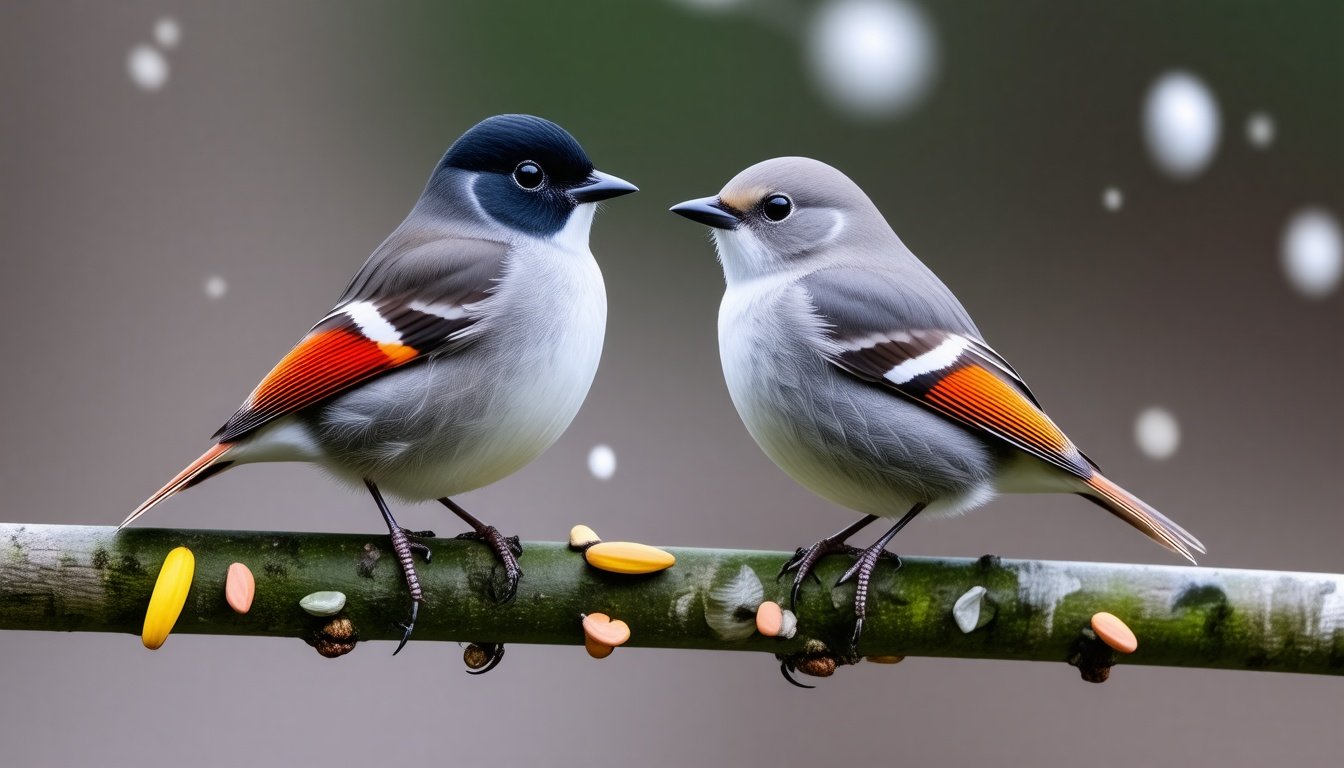
There is something about watching birds flit around the backyard that feels like magic. Almost like tiny feathered visitors dropped from the sky just to remind us that life is happening around us, even when the world feels quiet. And if you have ever tried changing the seeds you offer these little creatures as the seasons shift, you know it can be a bit like a secret conversation—guessing who will show up, who will stick around, and who will simply say, “No thanks.”
When fall rolls into winter, the bird menu needs a bit of a makeover. Seeds that made the birds chirp with delight in October might suddenly fall flat in December. It took me a few seasons to figure out why—and how different birds react to those changes. Let me tell you, it is a lot more emotional and fun than you would expect. Their reactions feel like tiny, little stories unfolding right outside my window.
Why Changing Seeds Matters (More Than You Think)
At first, I thought birds were simply picky eaters or maybe they just liked variety like me. But then I started noticing patterns. Birds have different needs depending on the season. In fall, they seem to want comfort food that helps them build up energy post-summer. When winter hits, they switch gears and look for fuel to stay warm and survive long, chilly nights.
Changing seeds is not just about swapping snacks. It is about giving each bird what it truly needs at the moment. And if you do not adjust, some birds will stop visiting. It feels like a gentle nudge from nature, reminding us that even the smallest creatures are tuned in to the rhythm of the earth.
Fall Favorites: The Seeds That Draw the Crowd
When autumn leaves scatter and the air turns crisp but is not freezing yet, my backyard birds have definite opinions about what they want. Here are the seeds that seem to work wonders for fall visitors:
- Black Oil Sunflower Seeds: A classic. Fatty, nutrient-rich, and easy for many birds to crack open. Finches, chickadees, and cardinals go nuts for these.
- Milo (Sorghum): I learned that ground-feeding birds like doves and sparrows adore milo. It is small, round, and less oily than sunflower but still satisfying.
- Peanuts (Shelled or In-Shell): Jays and woodpeckers treat peanuts as a delicacy. I keep a little separate feeder just for them in the fall.
One thing I found fascinating is that in the fall, birds seem to snack throughout the day, almost like trying to enjoy the last bit of easy energy before winter. I would see cardinals perched on the feeder, pecking slowly, while sparrows hopped around on the ground, picking up every tiny seed.
It feels like a bird buffet. Everyone gets their favorite, but all the options are still familiar and comforting.
Winter Menu Switch: Seeds That Bring the Heat
Winter is a whole different story. The cold nights and shorter days mean birds need seeds that pack a punch of energy—fast. They also need stuff that will last longer in the cold weather without spoiling or shrinking away in the chill.
So, I started swapping out some fall favorites for these winter go-tos:
- Nyjer (Thistle) Seeds: If you have ever watched finches, you know they become obsessed with nyjer in winter. It is tiny, fatty, and perfect for their delicate beaks. The look on their faces when they find it—it is like discovering treasure.
- Safflower Seeds: Cardinals love these. Plus, they are harder for squirrels to eat, which is a nice bonus when you want the birds to get their share without drama.
- Cracked Corn: It is not glamorous, but it provides quick carbs for sparrows and juncos warming up after a frost.
- Suet Cakes (often mixed with seeds): For woodpeckers and nuthatches, suet is a winter essential because it gives them concentrated fat to survive freezing nights. I hang suet near the seed feeders and watch the acrobatics that follow.
When I first made the switch, some birds hesitated. They seemed to wonder if I was playing a trick. But within a day or two, the winter regulars arrived, and the feeder became a different kind of buzz—more urgent, more focused. It felt like an all-hands-on-deck moment. The birds were fueled, serious, ready for the battle against cold.
How Different Birds Reacted
I could spend hours just watching the differences. Changing the seeds from fall favorites to winter specials does not just change who shows up—it changes how they behave. Here are some of my favorite bird responses, maybe you will recognize them:
Chickadees
These little fluff balls are the best at adapting. In fall, they were playful, hopping from branch to branch, sampling everything and chatting to each other. Once winter seed time arrived, chickadees got laser-focused. They zeroed in on black oil sunflower seeds and suet with no hesitation. It was like turning from children at recess into serious snack detectives looking for life-saving calories.
Finches
Finches are the drama queens (in a good way) of the feeder. With sunflower seeds in fall, they swarmed the feeder, creating a dizzying whirl of yellow and brown wings. Come winter, their obsession for nyjer is all-consuming. They ignore all other options and crowd around the tiny mesh feeders filled with those little thistle seeds. It is hilarious. I could swear some of them squawk, “Finally, the good stuff!”
Cardinals
Cardinals are the divas who appreciate consistency but also demand quality. They loved sunflower seeds in the fall but switched to safflower seeds with a look that said, “I am fancy and you better get this right.” What I notice is that cardinals seem more patient in winter, sitting quietly and nibbling slowly, almost savoring each seed. It is like their way of conserving energy, something not obvious in the colorful birds that seem all flash and noise.
Sparrows and Juncos
These guys are the ground crew, pecking around the base of the feeders. They appreciate milo in the fall but really perk up when cracked corn appears come winter. Their energy seems more urgent too, as if they are constantly reminding me, “Hey, we are here. Don’t forget about us!” It makes me smile because they are often the most overlooked visitors but really hold the backyard down.
Woodpeckers and Nuthatches
These birds are winter’s toughest customers. They seem to treat suet like gold bars. If you offer suet too early in fall, they might ignore it. But once winter settles, they become obsessed. Watching a woodpecker cling upside down on the suet feeder is a reminder of pure grit and survival instincts at work. Nuthatches join in with their head-down antics, like tiny acrobats with a purpose.
Three Simple Tips That Helped Me Make the Seasonal Switch
If you feel like you want to try changing up your bird seed with the seasons but worry about scaring off your feathered friends, here are three things I learned that make the change smoother:
- Mix Things Up Gradually: Throw a little winter seed into the fall mix before fully switching. It gives birds a chance to discover new favorites without feeling betrayed.
- Watch the Weather: When a cold snap is coming, add more high-energy seeds like sunflower and suet to prepare birds for a tough night.
- Keep Feeders Clean and Fresh: Some seeds spoil faster in wet or freezing weather. Fresh food means happy birds and fewer worries about illness.
Why I Keep Feeding Them All Year Long
You might wonder why bother changing seeds at all? Why not just leave one kind out? The answer is as simple as love. Birds depend on us more than we realize, especially during winter when nature’s buffet is limited. Also, watching their little reactions to food changes feels like a tiny act of kindness that connects me to the rhythm of the natural world.
Feeding birds in fall and winter is like sending handwritten letters to friends far away. It shows care, understanding, and patience. Some seasons they respond warmly, flitting in with excitement. Others, they come cautiously, unsure about new offers. But always, they come. And I keep learning how to be a better host for these wild, beautiful guests.
So the next time you switch seeds from fall to winter, pay close attention. There will be surprises. Some birds will stick to their old favorites, some will discover new loves, and some may skip a visit or two. But if you watch carefully—and maybe even talk back—they will let you in on their little seasonal secrets. It turns out, they have a lot to say about the food on your feeder.