
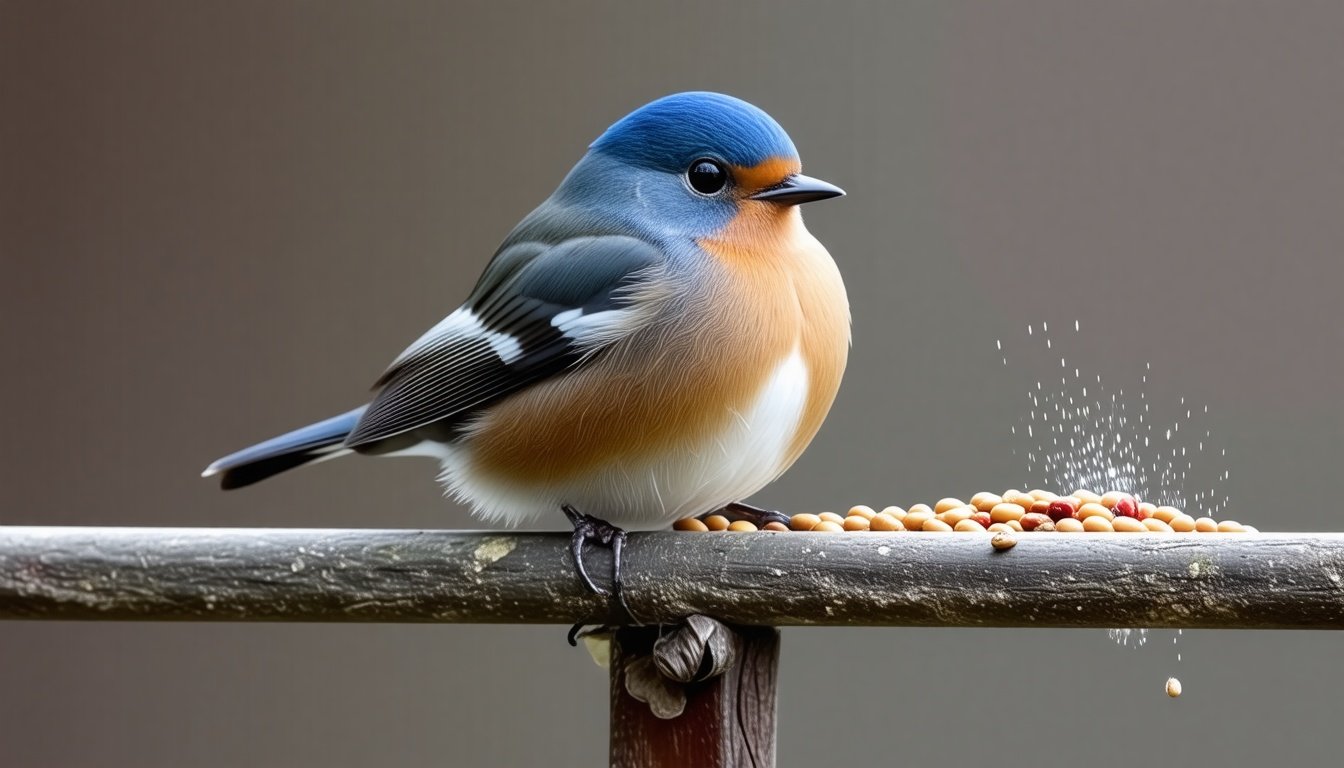
Have you ever sat by your window on a chilly morning with a cup of coffee, watching a little parade of birds pecking away at your feeder? There is something almost magical about that moment. The tiny flickers of feathers, the curious little heads, the way they seem to chatter and squabble over the best bites. It makes you think, what are they really craving? And does it change when the seasons flip around like pages in a book?
I have spent years figuring out exactly what seeds make those feathered visitors happiest at different times of the year. Why? Because feeding birds is not just a cute hobby—it’s a chance to nurture a tiny ecosystem right in your backyard. And you do not want to feed them the same old thing all year long. Their needs shift, their favorites evolve, and frankly, their taste buds get bored. That is why I choose different seeds for birds based on what the season brings to the plate.
Seasonal Bird Feeding: More Than Just Tossing Seeds
Here is the deal: birds have natural diets that change through the year. In spring and summer, many birds enjoy fresh insects and juicy berries hiding in the leaves. Come fall, seeds become a treasure trove for them to fatten up before winter. And winter? Well, that is when they truly depend on backyard feeders for survival.
So, throwing out the same sunflower seed mix year round? It might not cut it. Providing the right seed at the right time keeps birds healthy, happy, and coming back for more. Also, it means you get to watch the really good stuff—the birds you might only see once in a while, or whose songs brighten the frostiest days.
Spring: A Time of Growth and Fresh Beginnings
Springtime brings a curious energy. The ground thaws, flowers pop up, and baby birds begin their noisy lessons in flying and eating. Many adult birds feed mainly on insects during this time to deliver protein-rich meals to their chicks. But your feeder can still play a supporting role.
- Nyjer (thistle) seeds attract finches like goldfinches, which love these tiny, oily seeds. Nyjer offers a burst of energy, perfect as birds recover from winter.
- Black oil sunflower seeds are a spring staple. They are easy to crack open and packed with fat and protein. Birds like chickadees, nuthatches, and titmice all appreciate them.
- Mealworms (live or dried) are like little protein snacks that mimic what baby birds get from parents. Offering mealworms on a platform feeder can be a springtime hit.
Why put out seeds when birds have so many bugs to eat? It gives adult birds a break and a safe food source when insects might still be scarce after a cold spell. It is like a thoughtful snack for your feathered friends during a busy season.
Summer: The Buzz and the Blossom
Summer’s hot and buzzing, everything is green and full of life. Birds are busy raising second broods or teaching fledglings to hunt on their own. Seeds are less important because real food (bugs, nectar, fruit) is everywhere. But sometimes, those hot days dry up the ground, and bird food can get scarce.
- Black oil sunflower seeds remain a favorite all year, but especially when insects start to vanish during hot spells.
- Safflower seeds are great for cardinals and grosbeaks and less appealing to squirrels (a bonus, if you dislike sharing your feeder with bushy-tailed raiders!).
- Fresh fruit or berries placed near feeders give an extra vitamin boost, attracting orioles, waxwings, and tanagers.
One thing I learned is to keep seed offerings lighter and to switch around feeder types—platform feeders for fruit, mesh sock feeders for thistle. That way, you invite different species to munch alongside each other without too much fuss.
Fall: The Great Fattening Up
When you look outside in fall, the trees are putting on a show, some birds are migrating, while others get ready for the cold months ahead. This is the season to bulk up. Seeds are like little power bars for birds, packed dense with the good stuff.
- Peanuts (unsalted and shelled) are perfect fuel for blue jays and woodpeckers, providing protein and fat.
- Black oil sunflower seeds continue to shine. They are the Swiss Army knife of bird seeds—versatile and favorites of almost every backyard bird.
- Millet attracts sparrows, doves, and juncos, which flock to the ground to snack through leaf litter.
Providing a variety means more visitors, more bird songs, and more joy during what can be a quietly beautiful but bittersweet time of year. You can almost sense the urgency in their pecks, as if they know winter is sighing right around the corner.
Winter: When Survival Is the Name of the Game
Winter is hardcore. Snow covers crumbs, cold winds blow, and insects vanish like magic. Birds depend on backyard feeding stations for warmth and nourishment. Their goal is simple—to survive until spring arrives again.
- Black oil sunflower seeds remain a non-negotiable staple. The oil content keeps birds warm and energetic.
- Suet cakes (fat mixed with seeds, nuts, berries) are like bird energy bars, especially loved by woodpeckers and chickadees.
- Cracked corn appeals to larger ground-feeders like jays and doves, providing carbs and a break from too many oily seeds.
Winter might be the toughest season for birds, but it is also the one where you can feel the strongest connection to your feathered neighbors. Watching a tiny chickadee fluff up its feathers and dive into a suet cake feels like witnessing a small miracle of resilience.
Which Birds Like What? Sorting Out the Seed Fan Club
Here is a quick bird-school cheat sheet. Knowing who likes which seed will save you from guessing and will turn you into the popular spot on the block.
- Goldfinches: Nyjer seeds, sunflower chips
- Cardinals: Safflower seeds, sunflower seeds, peanuts
- Chickadees: Black oil sunflower seeds, suet
- Blue Jays: Peanuts, cracked corn, sunflower seeds
- Sparrows and Doves: Millet, cracked corn
- Woodpeckers: Peanuts, suet cakes, sunflower seeds
- Nuthatches: Black oil sunflower seeds, suet
If you want to see a mix of species, offer several seed types and scatter them around. Different birds like to feed at different heights and places, so variety is the spice of feeder life.
Why Changing Seeds Feels So Rewarding
The first year I started switching seeds based on season, I thought it was just a little experiment. Then something shifted. More birds showed up. The cardinals sang louder. The finches danced around my feeder with little bursts of excitement I had not seen before.
Seasonal feeding connects me to nature in a deeply satisfying way. It feels like a daily conversation without words. Birds tell you what they want, and when you listen, the whole backyard feels alive.
Also, switching seeds keeps feeding fun for me. I do not get bored watching the same old bird chow get gobbled up day in, day out. It becomes an ongoing story, an invitation to learn more about these little creatures and their world.
Tips for Changing Your Seeds Smoothly
- Rotate seeds gradually. If you dump a new seed type without warning, birds might hesitate. Mix old with new for a day or two.
- Keep feeders clean. Moldy seeds hurt birds more in cold weather than you can imagine.
- Watch which birds visit after you switch. You might get a surprise guest if you try a new seed!
- Use different feeders for different seeds. Mesh feeders for Nyjer, platform feeders for peanuts, tube feeders for sunflower seeds—this is like setting a buffet perfect for every guest.
Final Thoughts That Come With Bird Feeder Memories
Feeding birds seasonally is a small act with a big heart. It means you notice the little cycles of nature, the changing cravings of creatures we often take for granted. It means you slow down enough to see a flash of blue or a burst of yellow and know that you helped make that moment happen.
This is not just about filling a feeder. It is about building a relationship, a tiny piece of magic, one seed at a time. And honestly, I cannot wait to see what seeds next season will bring, and which new bird stories will step up to my window.