
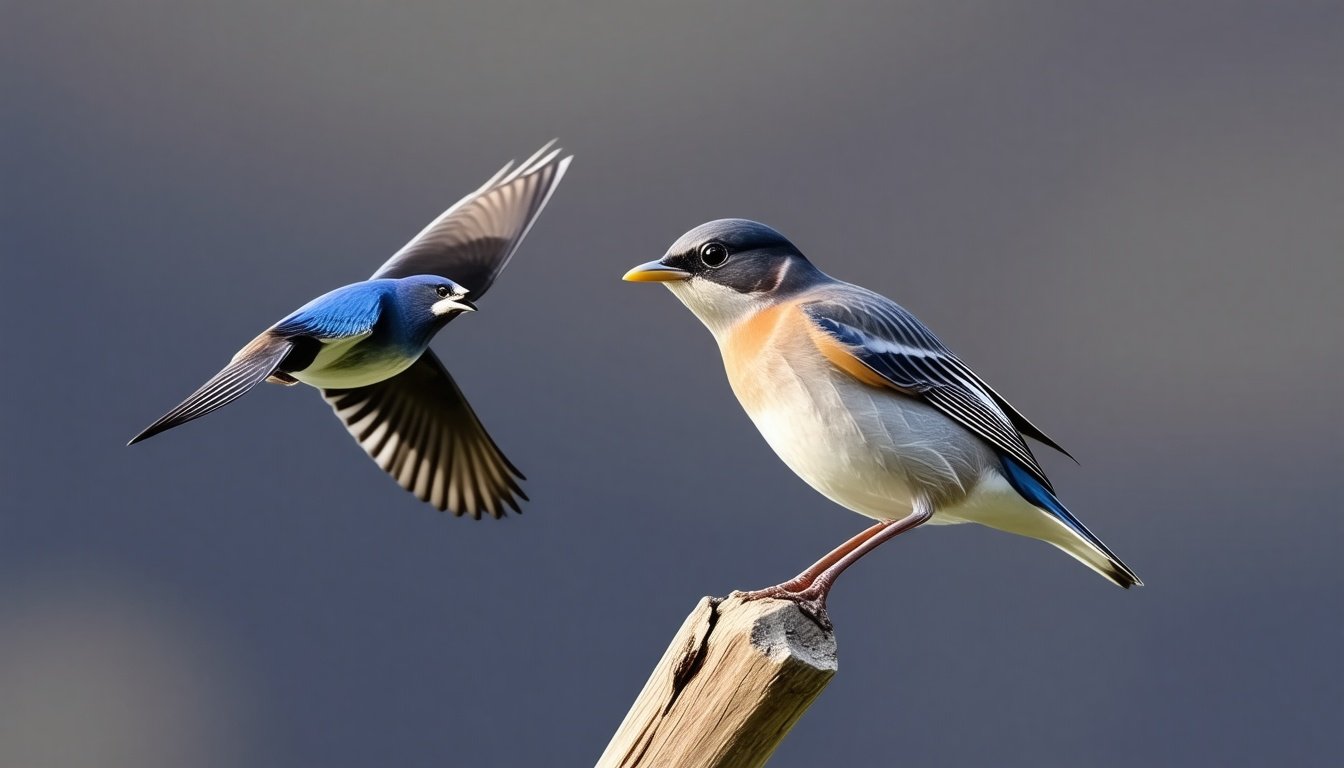
Have you ever stood by your window, bird feeder in sight, and thought, “Why have my feathered friends vanished all of a sudden? Did I annoy them somehow?” Spoiler alert: you did not. It is just that birds are not like the mailman coming at the exact same time every day. They follow schedules written by nature itself, moving across continents in a grand, invisible dance called migration. If you really want to keep those delightful visitors coming back, it helps to get in tune with their travel plans.
Feeding birds is a joy that connects us to the wild—even if that wild is just the neighborhood park or your backyard. But here is the catch: birds do not want snacks all year round. Their needs change with the seasons, and their presence waxes and wanes like some cosmic calendar. Feeding them without thinking about their migration patterns is like trying to throw a party when everyone is on holiday somewhere else. You might put out some crumbs, but your effort will mostly go to waste.
Let us get honest: watching birds arrive and leave, adjusting your feeding game around that, is more rewarding than a Netflix series binge. You learn their personalities, their cravings, their moods. Suddenly, the world of bird feeding becomes a story, a mystery you get to solve every season. And if you want to be the cool human everyone’s tweeting about (pun intended), understanding when and what to feed different birds on the move is your golden ticket.
Why Birds’ Eating Habits Change With Migration
Birds are basically tiny travelers with epic journeys. Some fly thousands of miles twice a year, crossing mountains, oceans, deserts, and cities. You might imagine they just eat whatever they find on their way, but nah, it is more complicated.
Migration drains their energy. They burn fuel like runners in a marathon. So, when they pause, their bodies demand food that packs a punch—high-fat, nutrient-rich goodies to help them refuel and keep flying. When they are not in migration mode, their food needs relax a bit.
Think about it this way: you do not go for a salad when you are about to do a triathlon. You want something that fuels you hard, fast, and well. That is the same for birds.
Also, some birds that migrate to warmer places avoid cold winters with scarce natural food. When they return, they might want a different menu to help them rebuild after the trip or to prepare for the next flight. That means your feeding schedule needs to follow their footsteps, literally, if you want to keep feeding meaningful and inviting.
Seasonal Bird Feeding Guides for Different Bird Species
Let us take a closer look at three very different bird species and how their migration rhythms shape feeding ideas. We are talking about the bold American Robin, the delicate Ruby-throated Hummingbird, and the sturdy Dark-eyed Junco. They each have unique schedules and tastes.
The American Robin: The Early Bird Migrator
Robins have this timeless charm. You probably associate their arrival with Spring, hearing their cheerful songs like the world is waking up again. They migrate south for winter but come back early in the season, hopping and hunting for worms and berries before the snow completely melts. Feeding them needs some thought.
- Spring and Fall: Feed robins soft fruits like chopped apples, raisins, and berries, along with mealworms. They love protein during migration to rebuild their energy.
- Winter: If robins stay around (some do), provide berries and seeds. They are tougher in cold weather but still appreciate extra food when natural sources are scarce.
- Summer: Robins mostly feed themselves by catching insects. Your feeder can take a break or offer occasional treats like fruit chunks.
Here is the interesting bit: robins like to feed on the ground or low bushes. So, scatter food near bushes or on platforms rather than using hanging feeders. They prefer a cozy table over a skyscraper.
Ruby-throated Hummingbird: The Tiny Skyhawk
These are the little superheroes of migration. They can weigh less than a nickel but fly over the Gulf of Mexico without stopping. Imagine that kind of endurance! Their energy needs are sky-high, and their feeding routine must match their wings’ frenzy.
- Spring and Summer: Feed hummingbirds sugar water with a simple mix of four parts water to one part white sugar. No need for fancy stuff; they cannot digest honey or artificial sweeteners. Change the nectar every two days—it gets gross fast.
- Fall: Keep feeders up longer as hummingbirds start their southbound journey. They will binge on nectar to build fat reserves.
- Winter: Most hummingbirds migrate south to Mexico or Central America, so you can take the feeders down when they leave to avoid mold and attracting wasps.
Oh, and here is a pro tip: make sure your feeder is clean and placed in a shady spot. Heat can spoil nectar quickly, and no hummingbird wants a sour snack. Keeping the feeder fresh is like making sure the coffee shop only serves fresh brews.
Dark-eyed Junco: The Winter Visitor You Did Not Expect
Dark-eyed Juncos are like the surprise guests who show up just when you thought the party was over. They breed in northern forests and come down to towns and backyards during winter, when snow covers their normal food spots.
- Winter: Juncos thrive on sunflower seeds, millet, and cracked corn. They also love ground feeders or trays filled with mixed seed. Since they prefer to feed on the ground, place food where they can safely munch.
- Spring and Summer: They head back north to breed, so regular feeding can pause unless you want to help out fledglings.
- Fall: Gradually start putting out food before they arrive, so they find a friendly stopover.
Here comes a little heartstring tug: Juncos often travel long distances, and the food you provide might just be the difference between them having a safe, warm day or struggling to survive harsh weather. Providing consistent food in winter means more than snacks—it means hope.
Building Your Feeding Calendar Around These Journeys
So how do you keep track? Honestly, it can feel like juggling flaming torches when the birds keep coming and going on their own unpredictable timetables. But it does not have to be a headache. Start simple.
- Watch your garden. Notice who shows up first and how long they stay.
- Keep a little notebook—or use your phone—to track the birds you see and when.
- Adjust your feeding schedule seasonally instead of feeding the same stuff all year.
- Get a local bird migration map or app, so you know when the big waves happen.
Here is something fun: you might get to see those thrilling first arrivals in spring, or the melancholy last goodbyes in fall. Your feeder becomes more than a tray of seeds. It becomes a stage for tiny dramas, adventures, and reunions.
Small Changes That Make a Big Impact
Sometimes it is easy to forget the little stuff. You do not need to be a wizard or spend crazy amounts of money. Small switches in what you feed and when turn your yard into a friendly pit stop for birds on the move.
- Switch from sunflower seed to fruit and insects during spring migration to better match bird diets.
- If you feed hummingbirds, make sure their nectar is fresh and the feeder is clean.
- Use ground feeders or scatter seed for ground-feeding birds like robins and juncos.
- Remove feeders when birds are gone for the season to avoid attracting unwanted pests.
It is like offering your friends their favorite snacks at the perfect time. If you do that, they will keep coming back—and maybe bring their friends too.
When Feeding Meets Compassion
Bird feeding is more than just entertainment. It is a way to feel connected and responsible. Watching those tiny lives rely on the care we offer can be humbling and joyful at the same time. Migration is hard even for birds that are built for it. Helping them along with thoughtful feeding is a simple kindness that says, “I see you. I got your back.”
So next time you hear the whistle of a migrating crowd overhead or spot a flash of wings darting around the feeder, think about the epic journey they are on. Adjust your schedules, swap the snacks, and know you are part of something beautiful. You are not just feeding birds—you are fueling dreams, survival, and the magic of nature’s great adventure.
And hey, if a bird stops by and gives you a knowing glance like, “Thanks, human,” just smile. That is the best reward of all.