
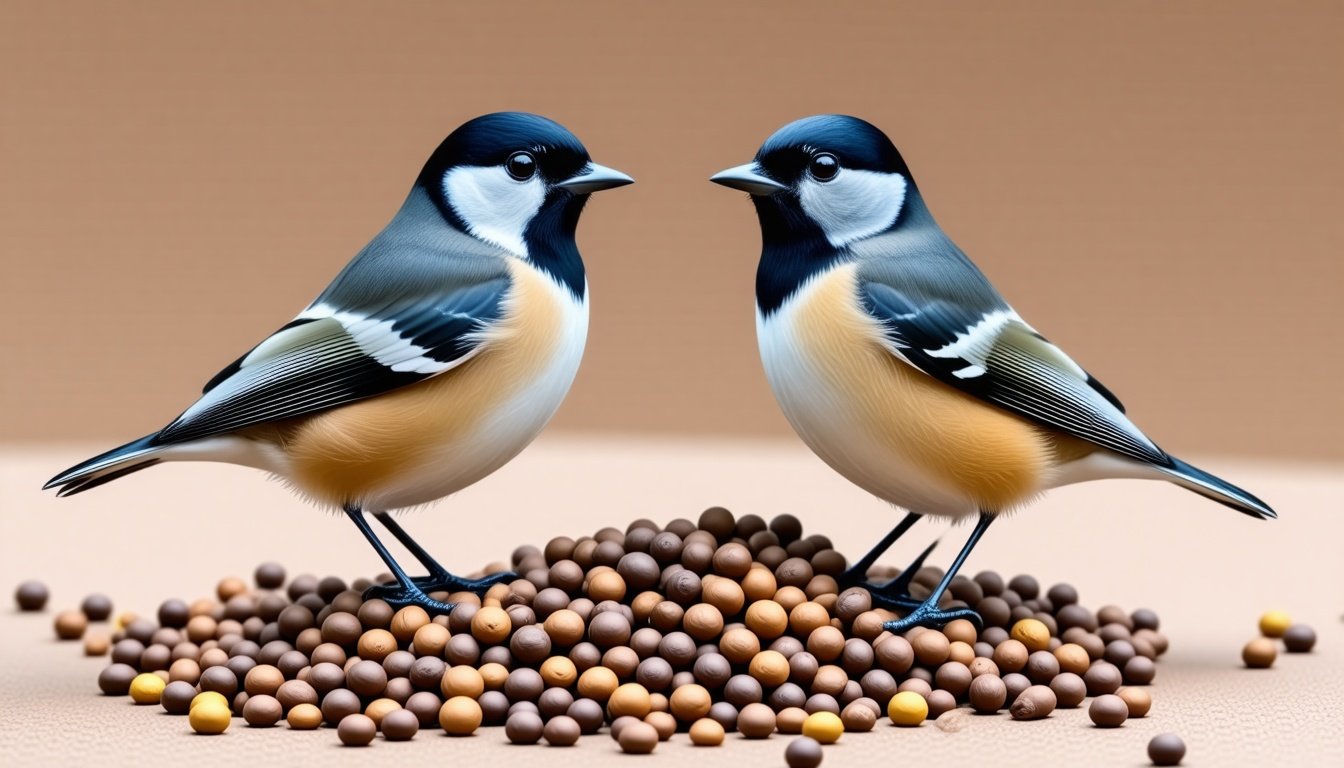
There is something quietly magical about watching chickadees flit around your backyard, heads bobbing like tiny, feathered acrobats. They show up in all seasons, giving your outdoor space a sprinkle of life no matter the weather. But here is a secret most casual bird watchers might not know: what you feed these little dynamos really needs to change as the seasons change. And if you want to keep your chickadees happy—really happy—it pays to think about more than just tossing out some birdseed whenever you feel like it.
Birds are not vending machines. They have moods, cravings, survival strategies, and frankly, personalities. The chickadee, with its bold black cap and bright eyes, might look like a simple critter, but they have complicated needs. Their choices in food are wired tightly to the rhythm of the seasons. So what does that mean for us backyard bird cooks? It means that switching up the menu throughout the year is not just helpful, it is the difference between a backyard brunch spot and a wild bird five-star restaurant.
Why Seasons Matter to Chickadees
Let us stop for a moment and think about what the seasons actually do. The chill of winter, the buzzing heat of summer, the sneaky dampness of fall, and the hopeful, blossoming spring. Every phase is a dramatically different challenge for a tiny bird like the chickadee.
During winter, food naturally becomes scarce. Insects vanish, seeds get buried under snow, and energy demands skyrocket because these birds burn calories just to keep their bodies warm. When spring and summer arrive, the chickadee’s diet shifts dramatically. Now, it is not just about surviving but thriving, finding protein-rich insects to fuel nest-building and raising lively chicks.
Fall is like a tricky transition period—food is still around but less predictable, and chickadees start preparing for the coming cold. This push and pull throughout the year means that what chickadees want to eat changes. If you do not adapt, you might find them disappearing off your bird feeders, off to other neighbors who understand the seasonal switch.
Winter: The Time for Energy Powerhouses
When snow piles up and the world turns mostly gray, chickadees face a survival marathon every day. Their little hearts race to keep the warmth going, and failure to fuel up means trouble. This is when I break out the big guns of bird feeding.
- Black Oil Sunflower Seeds: These seeds are the MVPs of the winter bird feed world. They pack a punch of fat and energy, which chickadees adore. Plus, the thin shells make it easy for their tiny bills to crack open.
- Suet Cakes: Fat equals fuel. Suet is basically pure animal fat, sometimes mixed with nuts and berries. It is perfect for giving chickadees the extra calories they need to brave the cold. I hang suet cages near trees where chickadees love to perch.
- Peanuts (Shelled or Unshelled): Protein and fat, peanut style. I try to give these in moderation because they can mold if left out too long, but chickadees find them irresistible.
One funny thing about winter feed is that chickadees are more social and daring. I have watched scores of them hanging out together, practically forming little winter gangs. Sometimes it feels like they are throwing a neighborhood party just to get through the cold.
Spring and Summer: Bug Time and Protein Choices
The arrival of warmer days is like flipping a switch for chickadees. All of a sudden, their diet gets much more protein-heavy. They spend hours foraging for insects and spiders to feed hatchlings, so if you want to keep them visiting, your feeder setup needs to reflect that reality.
- Mealworms: Alive or dried, mealworms are a godsend for chickadees in spring and summer. These wriggly treats closely mimic what chickadees hunt in the wild.
- Insect Suet: A suet cake with embedded insects can tempt chickadees to stick around your yard, especially if the natural insect population is low.
- Fruit Pieces: Small bits of apple or berries are sometimes appreciated, but chickadees are more interested in bugs during breeding season.
Here is the wild card: spring and summer feeders sometimes feel underused because chickadees are spending less time on feeders and more time hunting live food. This is a good thing! It means your feathered friends are doing what they are supposed to do. If you keep offering the right protein-rich treats, though, you will catch plenty of visits and maybe some adorable chickadee baby sightings.
Fall: The Great Transition Menu
Fall can feel like a confusing time in your backyard. Leaves fall in heaps while the birds start thinking about winter. Their diets begin to shift again, but the natural food options might still be patchy.
- Sunflower Seeds: Still a crowd pleaser. They help chickadees pile on fat before winter hits.
- Mixed Seed Blends: A bit of variety helps mimic the scattered nature of fall food sources.
- Tree Nuts and Berries: Offer hazelnuts, and if you find a safe way to do so, juicy berries will catch their interest.
One thing I try not to do in fall is suddenly flood the feeders with too much suet or mealworms. Chickadees are starting to rely less on fresh insects and more on stored fat reserves, so focus on seeds and nuts instead.
How I Adjust My Feeders Seasonally
You might be wondering how a person actually juggles all this feeding variety in real life. It sounds like a lot, but it really is a handful of changes sprinkled through the months. Here is how I handle it without turning my yard into a bird buffet chaos zone:
- Winter Set Up: Black oil sunflower seeds in tube feeders, suet cages on the side, and peanuts in small mesh bags. I clean feeders weekly to prevent mold and disease.
- Spring and Summer Shift: Switch the suet to insect-based types, add dried mealworms on a tray feeder, and reduce the peanuts. I also keep fresh water available because hot weather makes it harder for birds to find water naturally.
- Fall Transition: Move back to mixed seeds and sunflower-centric feeding, drop the insects slowly, and add tree nuts. I keep watching the chickadees’ behavior closely—if they come back for suet, I leave some out longer.
Each year, I learn new tricks like when the first frost hits, or when to stop offering live mealworms because the critters start to die off in the cold. It is a little seasonal dance, a conversation with nature.
Watching Chickadees Teach Me Patience and Attention
Feeding chickadees through the seasons has taught me more than just recipes for birdseed mixes. It has been a lesson in patience, mindfulness, and the quiet joy of nurturing life that depends on us.
Some days, the chickadees come in flocks, squabbling and chirping like a theater troupe. Other days, it is just one or two shy visitors, careful and quiet. They remind me that life is a series of small moments, not just big flashy ones. I keep my feeders clean, my offerings fresh, and I watch for their subtle changes—in behavior, in preferences, in numbers. It feels like we share an unspoken agreement: I provide, they visit, and together we weather the seasons.
Tips for Anyone New to Feeding Chickadees
- Start simple: Black oil sunflower seeds and suet are a great base.
- Observe and adjust: Watch what they eat most in each season and tweak your offerings accordingly.
- Keep feeders clean: Moldy food can harm birds fast.
- Fresh water is key: Birds need it year-round, especially in hot summer.
- Be patient: Chickadees might take a few days to discover new feeders or foods.
At the end of the day, feeding chickadees is a little gift you give to your outdoor world. They bring a sparkle to the dullest winter day and a lively buzz to summer mornings. Changing what you feed them as the seasons turn shows you care enough to meet their needs, not just your own desire to see birds. And believe me, they notice. They come back again and again, like good friends, to remind you that life goes on, beautifully, through every season.