
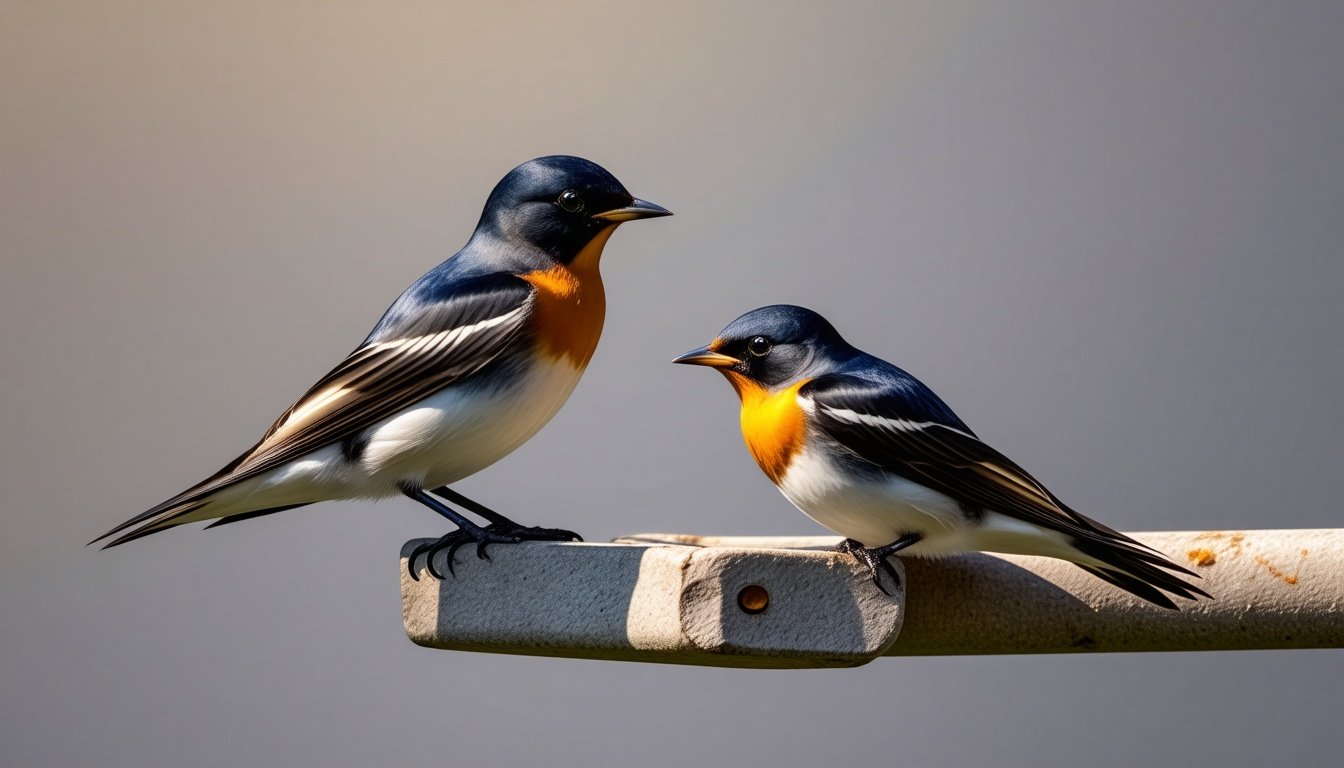
There is something quietly magical about watching swallows dart and dip through the sky, their sleek bodies catching the light like tiny airborne jewels. Every year, they travel thousands of miles, crossing continents and oceans, because the world isn’t quite right for them all year round. Their migration is like a living poem, written every spring and fall, one line at a time. You ever wonder how you could nudge the universe just a little bit, maybe make their journey a smidge easier? Me too. That is why I changed some of my feeding habits, and I want to share what I learned—because helping these acrobats of the sky is less about fancy rigs and more about simple kindness.
Swallows have always fascinated me. Watching their aerobatic shows over the garden while sipping morning coffee gave me a small but real joy. But when I found out how much stress their migration puts on them, it felt wrong to just admire from afar. Swallows eat on the wing, gulping down tiny flying insects, which are harder to find during migration. It felt like giving them a little help could make a big difference. Sounds easy, right? Turns out, it takes more thought than just tossing birdseed on the patio.
Why Feeding Swallows Is Different
Most of us picture bird feeding as dropping sunflower seeds or peanuts into a feeder. But swallows? They do not eat seeds. Nope. These aerial hunters feast on flies, gnats, mosquitoes, and other aerial insects. So, you cannot just stick a hopper feeder out and hope for the best. What I discovered is that helping swallows means supporting their natural insect diet as much as you can.
Also, these little guys are super picky. Give them the wrong food, and they will politely fly away, never to return. I got a couple of heartbreaking visits from confused swallows who clearly had their hopes up, only to flap away disappointed. So, feeding swallows means becoming a little insect gardener yourself, or at least making your yard a better insect buffet.
Better Bug Habitat in Your Yard
This was my first big change. I stopped mowing parts of my lawn as often (don’t worry, the neighbors survived), letting patches of wildflowers and native plants grow. You know those tiny white flowers that look like they belong in a meadow? They attract so many insects. And guess who swoops in to snack on them? Exactly—swallows love those flying bugs. Having a natural bug buffet nearby means less energy spent hunting for food mid-flight.
My neighbors thought I was losing it, at least at first. “You are letting weeds take over!” they said. I told them I was just trying to feed the sky’s best flyers. It turns out, even a little wild patch can mean the difference between a swallow stopping by or moving on.
Seasonal Tips for Feeding Swallows
Migration happens in waves, and swallows have a finely tuned schedule. What they need in early spring when they first arrive is different from what they might want in the fall on their way south.
Spring: Protein Power-Up
After a long journey, swallows need protein. That means insects are king. I began by planting native flowering plants that bloom early—like goldenrod and milkweed. These bring out aphids and other insects early in the season. You might wonder, “Why not just buy insect larvae or mealworms?” You can! But swallows prefer live, flying insects. So the closer you get to natural, the better.
If you want to get fancy, a small shallow dish with water placed near flowering areas helps too. Swallows often dip in for a quick drink or bath mid-flight. I kept the water fresh, cleaned the dish every day, and watched as the swallows returned again and again. Even my dog seems to approve.
Summer: Keep Things Buzzing
By summer, insect populations pick up, but swallows are busy feeding their young or building nests. I added a tiny mud puddle near the wildflower patch. Swallows are mud architects; they use wet mud to build their nests on barns, bridges, or under eaves. Watching them gather mud balls and carry them away was like seeing live art in the making.
Plus, I kept watering the garden regularly. Moist soil attracts insects, which means food for swallows. It felt like I was running a small insect hotel, and the swallows were my happy guests.
Fall: The Big Eat to Power Down
As fall migration starts, swallows bulk up for the long trip. They eat nonstop, so I made a point to keep those insect-friendly plants thriving as late as possible. I also started leaving out shallow trays with clean water during warm days, so they had a safe place to sip.
One foolproof trick I read somewhere crazy enough to try: use a small outdoor fan near plants to simulate a breeze. It encourages insects to fly more, making it easier for swallows to hunt. Yes, I looked ridiculous setting up a fan for bugs. But hey, anything for the birds.
What Not To Feed Swallows
Not everything you might want to offer is good. I quickly learned that bread crumbs, sunflower seeds, or any kind of seed mix were useless for these insectivores. They looked at me like I was insane when I tried once—sorry, swallows.
Also, sugary water or hummingbird nectar is a no-go. Swallows do not sip nectar. That stuff belongs to hummingbirds and orioles, not these flycatchers.
Another thing: avoid pesticides in your garden at all costs. This may seem obvious, but sometimes we forget that spraying insecticides kills the very bugs the swallows need. I made the hard switch to natural pest control and embraced a few “pests” that now happily buzz in my garden.
Watching the Rewards
After I made these changes, little things started happening. The swallows began staying longer in my garden, performing their wild aerial dances, sometimes even perching in the early morning right on the feeder pole while waiting for breakfast. Their chatter felt like a thank-you note.
I noticed fewer insects in the air overhead, which at first seemed like bad news. But it was just the swallows feasting. I love the thought that my small patch of wildness feeds these speedy travelers on their incredible journey.
Feeding Guides for Other Seasonal Birds in Your Yard
While swallows stole my heart, I have also learned that different birds want different things at different times. If you want to really live that backyard birdlife, here are some quick notes on other seasonal feeders:
- Robins in Spring: They love earthworms and berries. You can plant berry bushes and keep the soil moist to invite worms.
- Goldfinches in Summer: These little guys adore thistle seeds. Growing thistle or buying thistle seed feeders works wonders.
- Woodpeckers in Fall: They go nuts for suet. Cold days mean they need fat to fuel their winters. Hang a suet cage, and watch the show.
- Chickadees in Winter: These tough guys like sunflower seeds and peanuts. They fluff up to survive the cold and need energy to stay warm.
Why It Feels Good to Feed Wild Swallows
Helping swallows is not about trying to control nature or turn your backyard into a bird theme park. It is about making a little corner of the world friendlier for these daring travelers. Their migration is wild and intense. Every bug caught is a tiny victory against exhaustion.
I never expected how much feeding swallows would connect me with the rhythm of the seasons. It made me more patient, more thoughtful. It is surprising how much joy comes from quiet mornings watching swallows loop and dive, knowing I played a small part in their journey.
Next time you see a flash of blue and white streaking by, think about the miles they have flown and how you can help with something as simple as growing a flower or leaving a muddy puddle. The world feels a bit brighter knowing you helped these little acrobats on their way.