
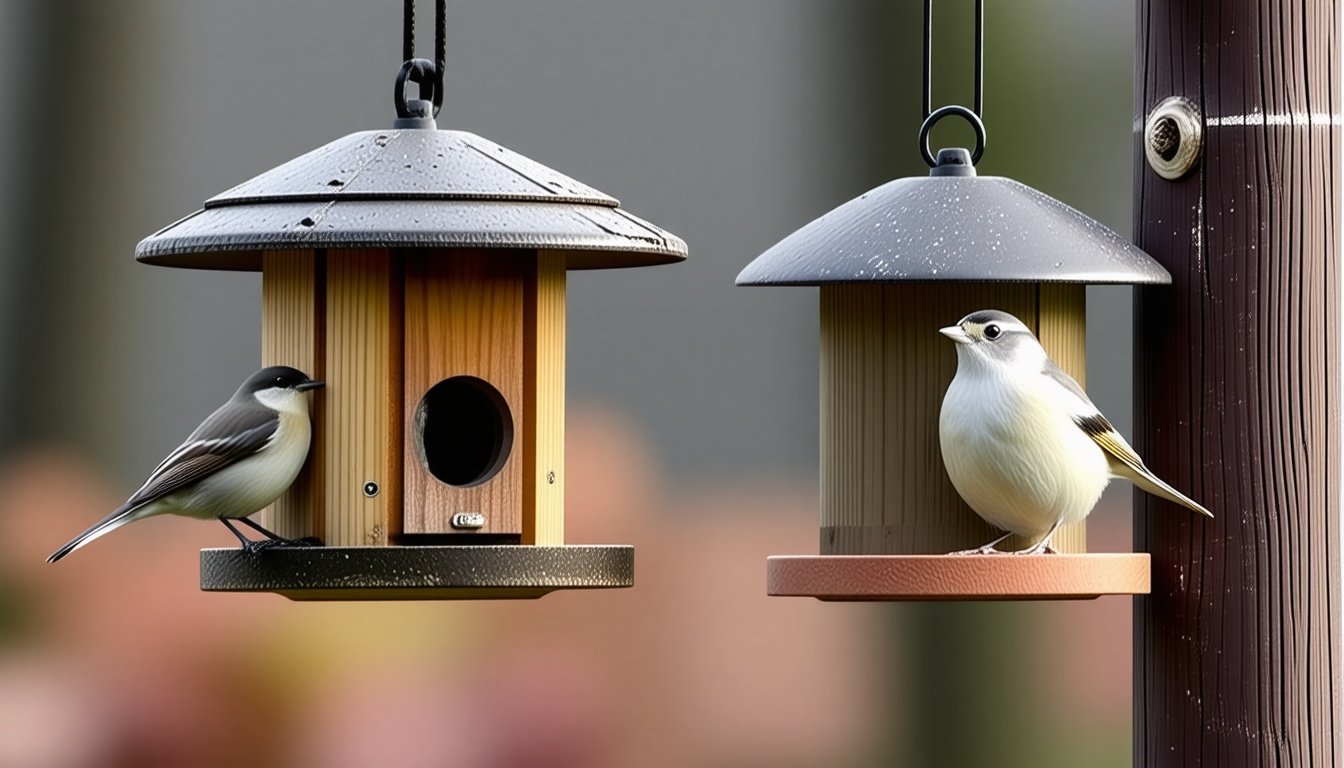
There is something absolutely magical about sitting by a window, cup of tea in hand, watching birds flit, dart, and peck at a feeder you set up. Birds have this way of turning an ordinary yard into a lively theater, each scene changing with the seasons and the creatures that come to visit. But here is the thing: if you want to keep those feathered visitors curious and coming back all year round, you cannot just hang up a one-size-fits-all bird feeder and call it a day. Nope. I have learned, through trial, error, and a fair bit of leafing through bird guides, that changing the way I feed birds throughout the year makes all the difference. Different birds like different food, different setups, and even subtle changes in where and how the food is offered can mean the difference between a dull backyard and a wild bird party.
So, let me walk you through how I twist and tweak my feeding stations to keep things interesting — not just for me, but for those beautiful winged visitors. From winter’s chill to the burst of summer, every season brings a fresh chance to invite new guests to my garden.
Winter Wonders: Making Your Backyard a Cozy Buffet
Winter can feel like the world is asleep. Except it is not. Birds are still out there, braving the cold and snow. They need calories like you would not believe. The challenge? Food is scarce, and energy demands are high.
My first winter tip is to swap your usual feeders for ones that hold energy-rich foods. Hopper feeders or platform feeders work well because they can handle bigger seeds and even suet — that fatty, calorie-packed stuff birds go wild for.
What I Feed in Winter
- Black-oil sunflower seeds: These seeds are little powerhouses. Birds like chickadees, nuthatches, and cardinals can’t get enough of them. I use a large tube feeder with multiple perches so several birds can eat at once. It helps prevent squabbles and keeps the chatter going.
- Suet Cakes: Fat is king in winter. I hang suet feeders near trees or shrubs so birds can quickly flap in, grab a bite, and dart off. Woodpeckers, wrens, and even some warblers love this treat. Plus, watching a woodpecker cling upside down to a feeder is pure backyard theater.
- Millet Mix: Sparrows and doves enjoy millet. I sprinkle some on platform feeders or a flat surface. It is like leaving out crumbs at a fancy outdoor café.
Something I learned the hard way: keep water nearby during winter. Frozen water means hungrier birds, so a heated bird bath or a simple shallow water dish changed daily can make your yard a hotspot for bird traffic.
Spring Shift: Welcome Migrants and Nesting Birds
Spring is that buzzy, hopeful season when bird activity explodes. Migrants return, babies hatch, and everyone gets busy rebuilding after the lonely winter. Here is when feeding stations need to feel like a welcome mat, not just a snack bar.
I put out feeders that attract seed-eaters and nectar-sippers, changing the layout to accommodate different species. Bright colors become more important — hummingbirds in particular love red, so a feeder with red accents is a must.
Spring Feeding Essentials
- Nyjer Seed: Tiny black gold for finches. Goldfinches, pine siskins, and redpolls adore it. This can get messy, so I use a specialized finch feeder with small holes so the seed does not spill everywhere.
- Fresh Nectar: Hummingbird feeders filled with homemade nectar (four parts water, one part sugar, boiled and cooled) draw these tiny jewels like a magnet. No red dye, please — it is unnecessary and potentially harmful.
- Mealworms: When nesting season kicks into gear, birds need extra protein. I have a small tray feeder just for mealworms. Bluebirds and robins swoop in for this rich treat, which helps chicks grow strong and healthy.
I also make sure to trim back some shrubs and leave patches of bare ground or leaf litter around my feeders. Many ground-feeding birds will pick through these areas for insects and seeds, making them feel right at home.
Summer Setup: Hydration and Variety
Summer is wild in my yard. I mean, the heat can fry you if you stay outside too long, but the birds? They are buzzing, bathing, and begging for a drink. Feeding during summer means more than just food — water becomes a main act.
My approach is to offer lighter, fresher fare and fresh water sources that birds can splash in or sip from. It is about turning the garden into a little oasis, a happy buffet with drinks on the side.
Feeding Tips for Summer
- Fruit and Berries: Orioles and tanagers go crazy for oranges, grapes, and chopped berries. I slice up some oranges and hang them near the feeders; the fruit attracts birds that do not usually visit seed-only feeding stations.
- Water Features: A mister or shallow bird bath becomes the summer MVP. Birds love to bathe and cool off. I clean the water regularly to avoid mosquito problems and keep it fresh.
- Insect Snacks: As many birds feed on insects to raise their young, I sometimes set out live or dried insects, like crickets or waxworms. Bluebirds and swallows appreciate this snack—it helps them pack on protein.
This is also the season when I experiment with different feeder types. Tray feeders, nectar feeders, and even DIY fruit feeders made from mesh bags all come into play. Summer feeders have to be easy to clean and fill because heat means things spoil fast.
Fall Fare: Preparing for the Cold
Fall feels like a soft exhale after the summer rush. Birds prepare for migration or the coming winter, stocking up on energy. I change my feeding stations to heavy-duty setups that offer lots of seeds and nuts.
This is the time when you want to impress the jays, squirrels (uninvited but persistent guests), and woodpeckers that are gearing up for colder days and leaner times.
Fall Favorites
- Peanuts (Shelled or Whole): Jays and woodpeckers love nuts. I use a sturdy peanut feeder or a mesh bag hung from a branch. Watching a clever jay crack open a peanut is worth every minute of setup.
- Mixed Seeds: A mix of sunflower, safflower, and cracked corn draws a wide variety of birds. I combine this in a hopper feeder that holds large quantities so I do not have to refill constantly.
- Berry Bushes: Planting or leaving wild berry bushes near feeders attracts warblers and thrushes. I leave those patches alone even as other leaves fall—it creates a lovely, natural buffet.
Something I started doing recently is moving some feeders closer to trees or brush. It makes shy birds feel safer, and since fall winds pick up, branches break the breeze and help birds stay warm while they eat.
Modifying Feeders: Small Changes, Big Impact
Over the years, I learned that you do not need a million feeders. You just need the right feeder in the right spot with the right food at the right time. I keep a few key types and switch them around like puzzle pieces:
- Tube Feeders: Great for sunflower and nyjer seeds, especially for smaller birds who prefer to hang upside down and pick seeds out.
- Platform Feeders: Perfect for fruit, nuts, and mixed seeds. Also works for ground feeders like doves and juncos. I often place these feeders near cover so birds can dart to safety if needed.
- Suet Feeders: Hanging near tree trunks, replicating natural feeding spots for woodpeckers and nuthatches.
- Nectar Feeders: For hummingbirds, Orioles, and other nectar lovers. I clean these weekly to stop mold and fermentation.
Sometimes I get crafty and make my own feeders using old jars, mesh bags, and even pine cones smeared with peanut butter and rolled in birdseed. It is fun, cheap, and sometimes the birds love it even more than the fancy ones from the store.
Where You Put Feeders Matters
I used to cram all feeders onto one pole in the middle of my yard. The birds did not love the crowding, and the jays bullied smaller birds away. Now, I spread feeders out, giving shy birds their own corners and noisier birds room to strut.
Placement also depends on season. In winter, I put feeders near evergreens where birds can hide from hawks and the wind. In summer, I tuck feeders near shady trees to keep the feed from spoiling too quickly and help birds stay cool.
Watch for spots where you can see feeders clearly from your favorite chair but also spots where birds can quickly escape if they sense danger. It feels like creating tiny safe zones in your backyard.
A Final Thought on Patience and Curiosity
At the end of the day, modifying feeding stations to attract different birds throughout the year is like having a backstage pass to nature’s show. Birds are unpredictable, beautiful, and funny little creatures. Some days the feeders are empty, and I wonder if I am talking to myself. Other days the yard buzzes with so much noise and movement that I forget to finish my tea.
The key is to keep watching, listening, and tweaking. When I notice a new bird peeking in, I make small changes — maybe adding a little sunflower seed here, a bit of fruit there. And soon enough, that shy visitor feels like a regular.
Give it a try. Change up your feeders, change up your food, and watch your backyard turn into a living, breathing story that changes with the seasons. Birds will show up if you make it worth their while. Trust me.