
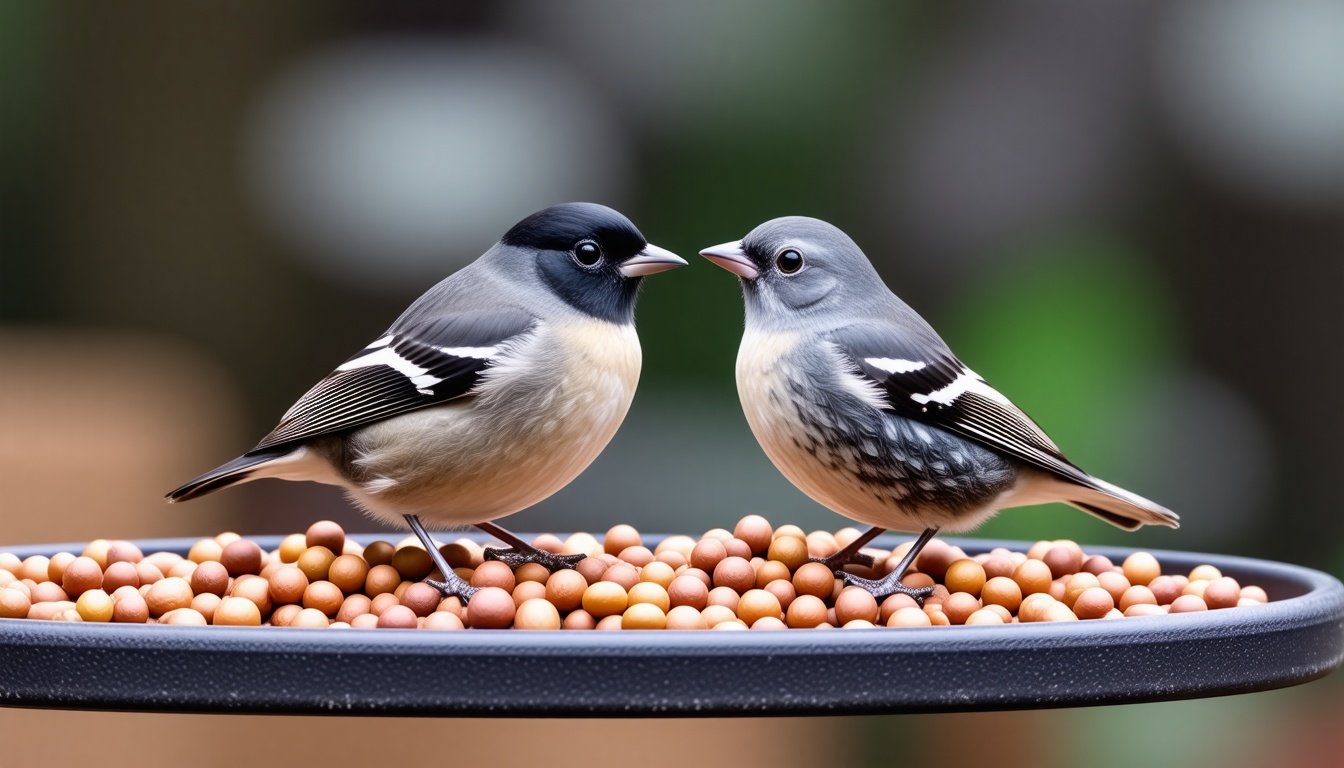
You know that feeling when you see your backyard birds shifting their tunes, the way their feathers fluff up a bit more, and the way they start to munch on something new? That little nudge from nature telling you, “Hey, it is time for a menu change.” If you are anything like me, that moment becomes a sort of quiet ritual — a chance to rethink what treats go on the feast table for our feathered pals. After all, birds do not do well with surprises, but they sure appreciate a gentle, thoughtful introduction to a new snack when seasons slip and slide.
Changing bird foods with the seasons is kind of like switching up your own diet — you would not want to chug pure ice cream during winter or stick only to hot soup in the heat of July, right? Birds have their busy seasons, their chill seasons, and those awkward in-betweens when they need a little help finding the right fuel. So how do I do it? How do I make sure my backyard visitors enjoy what I put out without freaking out? Grab a cup of tea (or a snack, no judgment), and I will walk you through exactly what I do when it is time to introduce new bird foods during seasonal changes.
Getting Cozy with the Seasons
First things first — do I really think about the seasons when feeding birds? Heck yes! Birds do not just wing into my yard blindly; they follow the rhythm of the earth. Spring calls for rebuilding energy after winter. Summer throws in lots of insects and berries. Fall starts to prep birds for the cold. Winter? Survival mode. Understanding this simple dance is the heart of changing foods without stressing the birds or myself.
When spring comes knocking, it is not just about tossing out seeds like some kind of bird buffet. It is about providing food that supports new life — lots of protein and easy-to-digest goodies. Come fall, it is more about packing on the fat, and in winter, it is about consistent, energy-rich options.
Why Not Just Leave the Usual Food Out All Year?
You might ask, why bother adjusting anything? Why not just leave black oil sunflower seeds out all year? Well, the truth is, birds get picky. Some foods are seasonal treats for them — just like that pumpkin spice latte everyone suddenly loves in autumn (even if you do not). Plus, the kinds of birds visiting change, and their diets change, too.
Some foods even spoil or attract unwanted pests if left out too long, especially when weather goes wild. So switching it up is a kindness to everyone: the birds, your yard, and you.
How I Start Introducing New Foods
Starting slow is my mantra. The last thing I want is a bird food revolt on my hands. When spring rolls around and I want to add mealworms or suet, I do not just dump a pile out and call it a day. I begin with tiny amounts mixed with what they already know. That way, the birds get curious instead of cautious.
For example, I might scatter a few mealworms right next to sunflower seeds. At first, only the most adventurous titmice or chickadees nibble at them. But by day three or four, more birds join the party. It is like hosting dinner guests who need a little coaxing before trying the weird green salad you made. Once the new food feels friendly, I phase out the old stuff bit by bit.
Patience here is everything. Sometimes it takes a week or two for birds to fully accept a new treat, and that is perfectly fine. I watch their behavior like a detective solving the puzzle — who tries the new food first? Who waits? Who just ignores it altogether?
Making the Switch Without Drama
- Mix old favorites with new offers. Throw in small amounts of new seeds or insects alongside the staples.
- Offer new foods during peak feeding times. Early morning and late afternoon work best when birds are most hungry.
- Keep feeding consistent. Birds crave routine. Erratic changes confuse and stress them.
- Observe and adjust. If a new snack is ignored for a week, try another. Birds know what they need.
And yes, I talk to my birds while doing this. Maybe it is silly, but there is something about a little chatter that feels like teamwork. Plus, watching birds up close as they investigate that wiggly mealworm? Priceless.
Seasonal Bird Feeding Guides for Different Species
Birds are not all cut from the same feather. Different species have their own quirks about what they like and when. Knowing who visits your yard can make food switching way easier.
Spring: Feed the Nest Builders
Spring is baby-meal season. Many birds need protein-heavy foods to build strong nests and healthy chicks. Here is how I cater to some of my common spring visitors:
- Chickadees and Nuthatches: Offer suet with bits of dried mealworms or peanut butter. These tiny birds need loads of protein.
- Robins: They love soft fruits like chopped apples or berries. I put these on a platform feeder.
- Blue Jays: They enjoy acorns and peanuts in the shell. Drop these near their favorite perches.
Introducing these foods slowly means mixing a few suet nuggets in with their usual seeds. I also add a shallow water dish because hydration matters as much as food.
Summer: High Energy and Hydration
Summer can be sticky and hot. Insects rule the menu naturally, but some birds still swing by for a quick treat.
- Warblers: These little guys eat insects but love sugar water nectar feeders during summer.
- Goldfinches: They love nyjer seed, a tiny seed packed with oil for energy.
- Swallows: Mostly aerial feeders but may visit water sources if available.
I add nectar feeders mid-summer and keep seeds available but lighter. Sometimes I toss out fresh berries for those who want a juicy snack, but always watch for mold or rotting pieces.
Fall: Packing on the Pounds
Fall is the time to get ready for the cold road ahead. Birds need energy and fat to survive chilly nights.
- Cardinals and Grosbeaks: These seed lovers go wild for black oil sunflower seeds and safflower seeds.
- Mourning Doves: Provide cracked corn and millet scattered on flat areas or on the ground.
- Woodpeckers: Suet with bits of nuts and pumpkin seeds is a hit.
I start placing suet cakes back out around mid-September and increase the seed amounts gradually. I also leave more fruit like crabapples or even persimmons if I can find them.
Winter: The Hardest Time
Winter is like a survival test for birds. They need high-fat, high-energy food that lasts and stays fresh despite the cold.
- Chickadees and Titmice: Peanut butter suet and sunflower chips keep them going.
- Juncos and Sparrows: Cracked corn and millet help, especially if snow covers natural food.
- Bluebirds: Mealworms can be frozen and offered fresh when thawed.
I check feeders daily this time of year because food can freeze or get buried in snow. Feeding in multiple spots helps spread the crowd and reduces stress.
Little Things That Make a Big Difference
Introducing new bird foods is not just about what I put in the feeder. It is also how I do it.
- Feeder Type Matters: Tube feeders for seed lovers, platform feeders for fruit eaters, and suet cages where woodpeckers can dance around.
- Keep It Clean: I wipe down feeders regularly to stop mold and bacteria. Nobody likes a gross meal.
- Watch the Weather: Rain can spoil seeds quickly. I cover feeders or move the food under shelter during storms.
- Stay Patient: Birds take their time. Sometimes they will not try new foods for a while, and that is okay.
One day I left out a new nut mix, and no one touched it for days. Then, out of nowhere, the squirrels discovered it, and chaos ensued. Lesson learned: squirrels are food critics with big voices.
Why I Keep Doing It
If you wonder why someone would go through all this food juggling for wild birds, I get it. It might seem like a fuss. But there is magic in watching a shy bird brave a new food, or seeing a fledgling strengthen before takeoff. It is a small way to connect with the natural world, to feel the pulse of life shifting with the seasons.
Plus, it is fun! There is a surprise in every handful of seed, a story in every bird’s visit. And knowing I helped that happen — well, that feels pretty good.
Final Thoughts on Adding New Bird Foods
Changing bird foods during seasonal shifts is like telling a story, slowly, gently, and with care. It is not about rushing the birds to accept the new dish but inviting them to try it on their own time. It is about watching, waiting, and learning alongside them.
Remember, every garden and every flock is unique, so what works for me might need a slight twist for you. Just be patient, keep it simple, and trust your backyard birds — they know exactly what they want, even if it takes them a few tries to say yes.
So next time you see buds sprouting or leaves turning, think of it as the perfect time to set a new table outside. Because birds love a little variety just like we do. And that, my friend, makes the dance of the seasons a whole lot tastier.