
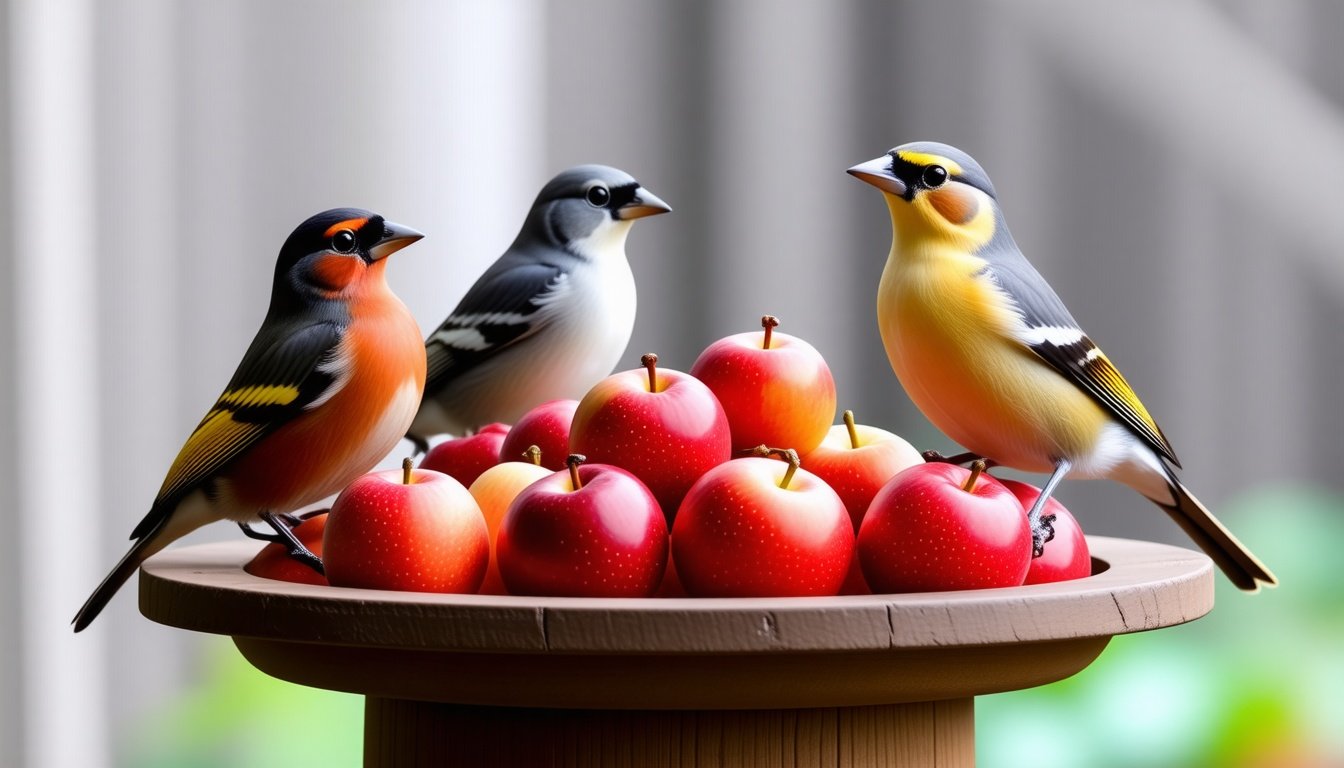
Summer. The season when trees sway lazily under the sun, the air buzzes with life, and birds flaunt their brightest feathers like they just stepped out of a fashion show. If you have even a tiny corner of green outside your window, you probably know the secret happiness of watching birds flit about, chirping their little hearts out. But here is the thing: summer is not just a vacation for birds. They work hard, hunting bugs, raising babies, and yes—sometimes, they need a little snack boost. So, how do you help them out without turning your yard into a bird buffet gone wild? Well, I have a method for offering fruit and nectar that respects their needs and keeps your garden feeling like a peaceful retreat.
Why Fruit and Nectar? Why Summer?
Summer is a wild ride for birds. Think of it as the bird version of a Netflix marathon with no breaks. They are busy with nesting, feeding chicks, and defending territories. Bugs are great protein, but sometimes birds need sugar and vitamins. That is where fruit and nectar come in. These tasty treats give birds energy and hydration to keep going through their busy days when things get hot and sticky.
But it is not just about tossing out a handful of grapes and calling it a day. Different birds have different tastes and needs. You want to offer food that will actually help them, not attract unwelcome pests or make them sick. Plus, offering the right fruit and nectar means you can watch your feathered friends up close, learning their moods and quirks. It feels like a secret club you are invited to.
The Birds of Summer and Their Tastes
If you have a feeder or a bird bath, you might have noticed a curious crowd—in summer, the cast might change from winter’s usual suspects. Here are some summer stars and what they like:
- Hummingbirds: Nectar lovers who zip around like tiny helicopters. They need sugar water to fuel their mad energy but do not mess with artificial sweeteners or colored syrup.
- Orioles: They have a sweet tooth for ripe fruit and nectar, especially oranges and grape jelly.
- Tanagers and Grosbeaks: These colorful birds enjoy berries and soft fruit like cherries or mulberries.
- Woodpeckers: Yes, they sometimes sip nectar, too! They also like fruit but tend to peck at it more than nibbling.
- Warblers and Finches: Mostly eat insects but will enjoy fresh fruit on hotter days when bugs hide out.
Summer is truly a buffet, and if you tailor your offerings, the birds will keep coming back like the best dinner guests ever.
My Easy-Peasy Method for Offering Fruit
I want to share what I do that is simple but effective, a little ritual that has made my backyard a summer hotspot for birds without turning it into a messy orchard. It breaks down to three main rules:
- Pick the right fruit
- Present it naturally
- Keep it fresh
Pick the Right Fruit
Fruit that is either too hard or too mushy usually gets ignored or attracts bugs. Birds like something that is just ripe enough—soft enough to peck but still fresh. In my experience, berries like blueberries, blackberries, and strawberries are like bird candy. Especially wild blackberries. And if you have a tree nearby that drops cherries, well, you are a hero. Other favorites are sliced oranges or apple wedges (no seeds, please). The juices from these fruits are like little energy drinks for birds under the sun.
The trick is not to offer fruit that is overripe or moldy because that can make birds sick, and let us be honest: no one wants a sick bird to visit their yard.
Present Fruit Naturally
Here is where a lot of folks get greedy with their fruit buffet: throwing fruit on the ground sounds kind of lazy, but it invites ants, flies, and other critters you might not want lounging around. I hang fruit on hooks or tie them with string to branches. This way, birds can hover or perch and pick at the fruit safely. Using special fruit feeders is great but not necessary; a little string and an eye for a good branch works wonders.
Another small tip: place fruit near your nectar feeders or bird baths. Birds love a combo meal, and this also helps you watch different species interact (which is part of the fun!).
Keep It Fresh
Nothing kills a summer bird party like forgotten fruit turning into a gooey mess. Change your fruit daily or every other day, especially in hot weather. It sounds like a lot but once you get the rhythm, it feels like a gift you give to your feathered friends and yourself. Also, rinsing feeders or plates prevents disease and keeps the crowd safe and happy.
Nectar: Making It Right
You have seen those hummingbird feeders filled with bright red nectar. It looks fancy, and it kind of is, but the secret to a happy hummingbird is sugar water that tastes just right. Here is my super simple recipe:
- 1 part white sugar
- 4 parts water
Boil the water, stir in sugar until dissolved, cool it down, and fill your feeder. No red dye. None. Birds do not need it, and honestly, it can hurt them.
Changing the nectar every few days is non-negotiable because sugar water can ferment or grow mold, and that is a no-go for happy birds. I usually time a quick cleaning and refill every three days.
One neat thing about nectar feeders is watching hummingbirds dive-bombing each other for a spot. It feels like a tiny reality show, and I get front-row seats!
Special Nectar Touches
If you want to bonus your nectar game, add a few drops of lemon juice to prevent mold longer without hurting the birds. Some folks swear by adding vitamin supplements, but honestly, I stick to just sugar and water. Birds have evolved on nectar for a long time; simple is often best.
Different Birds, Different Needs: Seasonal Feeding Tips
Hummingbirds: The Speed Demons
These guys burn fuel fast. They rely on nectar and small insects. Offer your nectar every day. If you throw in some tiny berries or fruit pieces near the feeder, they might stay longer and chill a bit. Remember to cover feeders to keep bees and ants out.
Orioles: The Fruit Lovers
Orioles go crazy for oranges and grape jelly (only the jelly, no additives or artificial stuff). You can halve an orange and hang it or smear some jelly on a platform feeder. They also like nectar but with a larger feeder designed for them since their bills are bigger than hummingbirds’.
Tanagers and Grosbeaks: Berry Fanatics
These birds love soft fruits. Offer chopped berries or grape clusters. I have noticed that they prefer fruit over seeds during the summer heat. A bowl feeder works great, but keep it shaded to slow spoilage.
Woodpeckers: The Peckers
Woodpeckers enjoy fruit too, but they like to peck at it hanging from branches or in pine cones. I rig up a few pine cones with peanut butter and some smashed berries on them. It is messy but fun to watch.
Why This Matters to Me
Feeding summer birds is not just a hobby; it is a connection to life that often feels rushed and disconnected. Watching birds flock and feed makes me feel part of an ongoing story bigger than myself. The soft flutter of wings, the sharp chirps, the quick tussles over a juicy berry—these moments remind me to slow down and breathe.
And here is the thing: summer birds work hard just like us. Helping them feel energized and cared for feels good in a way that no gadget can replace. It brings a quiet joy, a feeling like I am sharing a secret with nature.
Wrapping Up My Bird Feeding Story
Offering fruit and nectar in summer is a small act with a big heart. It takes a sprinkle of thought, a dash of patience, and a pinch of love. When the sun is beating down and birds pause to drink from the fruit you set out, it is magic. The yard becomes a stage, and the birds are the performers—and you, lucky you, are the front-row audience.
So go on, pick some berries, mix up some nectar, and set out a summer snack table for your local birds. Watch closely. Laugh at their antics. Feel your spirits rise. Summer birds and their sweet needs make the season sweeter for all of us.