
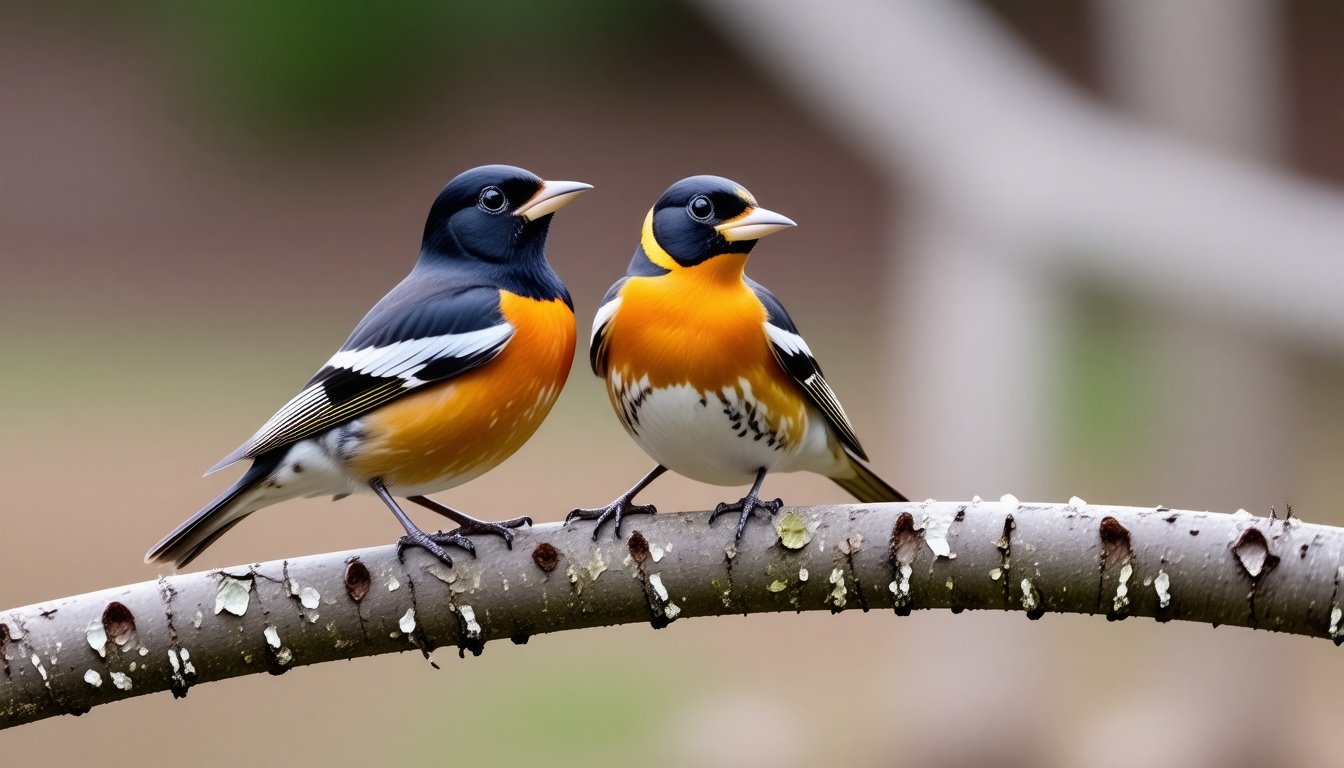
Imagine sipping your morning coffee, the sun barely up, when suddenly, a flash of fiery orange darts through your backyard. For a split second, this delicate creature pauses, dips its slender beak into a juice feeder you set up, then vanishes into the air like a spark caught on the wind. That, right there, is the magic of feeding orioles during their migration, and let me tell you, it is one of the most unexpectedly joyful ways to connect with nature.
I never thought I would find myself so hooked on a tiny, colorful bird like the oriole. It started one late spring when I noticed a few of them zipping past my deck. Something about their striking orange and black feathers grabbed my attention immediately. I thought, why not try to feed them? What could be easier than hanging some nectar and fruit and just watching them enjoy? Turns out, feeding orioles through their migration is a whole experience—a mix of patience, surprise, and a bit of trial and error.
Learning the Ropes: What Makes Orioles Special
First off, orioles are not your everyday backyard visitors. They have this quirky mix of being shy yet bold. They do not just chow down on any random stuff you throw out. Nope. They want their food fresh, sweet, but also natural. And they sure know how to sniff out a good deal.
Orioles are passerine birds, famous for their vibrant orange colors. They travel thousands of miles, heading north in the spring to breed and returning south for winter. This migration means they really appreciate a pit stop along the way. It felt like my little yard became a roadside diner for these tired travelers.
But feeding orioles is not as simple as setting up a bird feeder and waiting. Their taste buds are picky—think of them as tiny gourmets of the bird world. I learned some do’s and don’ts the hard way, mostly from a trail of wasted food and missed visits.
The Perfect Menu: What Orioles Actually Eat (Hint: No Bread Crumbs)
- Nectar: Orioles love sweet nectar, similar to hummingbirds, but with some differences. Store-bought hummingbird nectar mix works well, but fresh sugar water made at home (four parts water to one part white sugar, no red dye) is even better.
- Fruit: They adore juicy fruits—especially orange slices, grapes, and ripe peaches. I found that halving or quartering the fruit works best so orioles can hang onto it or peck easily.
- Jelly: Grape jelly is their absolute favorite treat, but be careful not to offer jelly with artificial sweeteners or preservatives.
- Insects: Since orioles eat bugs too, live mealworms or other insects can be a nice protein boost, especially during breeding season.
What they avoid? Bread, seeds, and dry stuff. I once set out a seed feeder hoping they would try it; crickets, I learned, were more interested in the seed feeder than they were.
Setting Up the Hospitality Suite: Feeding Orioles in Your Yard
Setting up an inviting spot for orioles can feel like a science experiment mixed with an art project. You want the feeder to be easy to find but not too exposed. Orioles love to perch, so including some branches or shrubs nearby is a big plus.
I started with a classic oriole feeder—a bright orange, shallow dish designed for holding nectar and jelly. I found this worked wonders, especially when hung near flowering trees. The birds were curious at first, then regular visitors.
One quirky thing I noticed: orioles are a little shy. They prefer quiet, calm spots. I had to move the feeder a few times after realizing my barking dog was quite the unwelcome guest. Also, keep your feeders clean! Orioles hate gunk and mold, and dirty feeders can make them sick. Cleaning every few days with warm soapy water became part of my routine.
The Timing: When Do Orioles Drop By?
Unlike some birds that stick around all year, orioles are seasonal guests in most places. They show up mostly from late April to early July on their way north. If you want to catch them on their journey south, late August through September is the window.
I was amazed at how the landscape changed when orioles arrived. Suddenly, my yard felt livelier, brighter, and even a bit whimsical. It was as if the sun had decided to stop by briefly through these little flitting flashes of orange.
Why Feeding Orioles Feels Like Magic
Let me tell you—feeding orioles is not just about the birds. It is a gift to yourself. There is something wildly joyful about watching a delicate wild creature trust you enough to share a meal. A flash of bright feathers, the quick sip of nectar, a pause to snack on jelly—it all becomes a tiny miracle you witness every day.
I had moments standing outside, sometimes for minutes, sometimes just seconds, feeling connected. From noisy city streets to quiet backyard mornings, those encounters offered a peaceful, grounding contrast to life’s usual rush.
And there is a little thrill in knowing you are part of their story, even if just for a moment. That the food you provide helps fuel their epic journey north or south. It reminded me how small acts of kindness, even to the smallest creatures, ripple out in ways we may never fully understand.
Some Unexpected Perks
- Photography fun: Orioles do not pose, but catching a blurry photo of one mid-hover feels like winning the lottery. I ended up with some of my favorite nature shots.
- Kid-friendly learning: My niece came over one day and immediately fell in love with bird watching. Feeding orioles became a natural way to teach her about migration and nature’s rhythms.
- A natural mood booster: Seriously, these birds made me feel lighter during stressful times. Their bright colors and lively movements injected a bit of happiness into gloomy days.
Common Challenges and How I Handled Them
Feeding orioles was not always smooth sailing. Some days, the feeders sat untouched. Other times, squirrels moved in as unwelcome guests. And the occasional rainstorm washed away the fruit.
Here are some lessons I learned:
- Patience is key: Orioles do not show up on command. It took me weeks before they became regulars.
- Location, location, location: Moving feeders to find the sweet spot made all the difference.
- Squirrel proofing: A hanging feeder attached to a thin wire with a baffle above helped keep squirrels at bay.
- Freshness matters: Changing nectar and fruit every two days prevented mold and kept the orioles interested.
Seasonal Bird Feeding Guide: Orioles and Beyond
Orioles are awesome, but they are just one piece of the big migratory puzzle. Feeding birds seasonally means understanding what each species needs during their stopovers.
Spring and Early Summer: Orioles, Hummingbirds, Warblers
- Offering: Nectar, fresh fruit, jelly, insects
- Why: Many birds are heading north to breed and need extra energy.
- Tip: Provide plenty of water sources like birdbaths to keep them hydrated.
Late Summer and Fall: Preparing for the Journey South
- Offering: High-energy foods like sunflower seeds, suet, and fruit
- Why: Birds bulk up for long flights south.
- Tip: Keep feeders stocked consistently—birds rely on these pit stops.
Winter: Resident Birds Like Chickadees and Cardinals
- Offering: Seeds, suet, nuts
- Why: Food is scarcer, and winter is harsh.
- Tip: Provide shelter with brush piles or dense shrubs nearby.
Each season calls for a different kind of bird party, and paying attention to who shows up gives you endless chances for connection and surprise.
Final Thoughts from My Oriole Feeding Adventure
Feeding orioles turned out to be one of those small joys that sneaks into your life, then refuses to leave. It is simple—just some sugar water, fruit, patience, and a little bit of hope. What you get in return is a front-row seat to one of nature’s quietly stunning rituals.
So, if you ever find yourself intrigued by those fiery flashes in the trees, set out a little oriole welcome mat. Watch, wait, and listen. You just might feel your world a little brighter, a little lighter, and a heck of a lot more connected.