
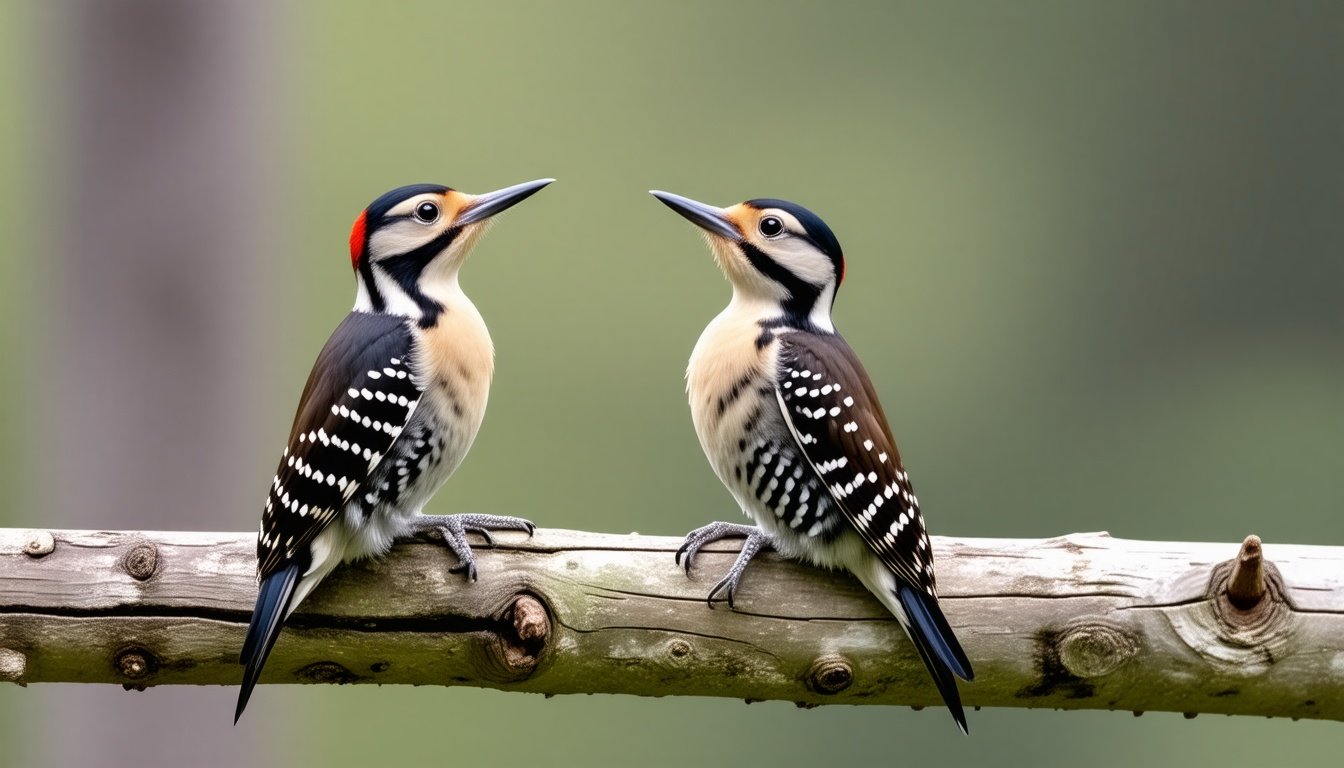
Watching woodpeckers is a bit like having a tiny drummer in your backyard concert. Their steady tapping, the flash of red feathers, the way they dart from tree to tree—it somehow feels like a secret show designed just for you. I never thought I would get hooked on feeding these feathered percussionists, but here I am, fiddling with feeders, switching foods with the seasons, and learning a heck of a lot about their wild ways. And honestly, it has made my backyard feel alive throughout the year.
Woodpeckers are a bit stubborn, in the best way. They do their own thing, show up when they want, and expect their favorite treats on their own schedule. Feeding them takes patience, observation, and a little trial and error. What works in July can be a flop in February. The way I feed my woodpeckers changes with the seasons, and so does my fascination. Let me share how my feeding habits shift across the year and how these changes keep the woodpeckers—and me—happy through every twist and turn of the calendar.
Spring: Fresh Starts and Buzzing Activity
Come spring, the woodpeckers shake off the cold and start making more noise. It feels like their way of saying, “Hey, I am back!” The tapping gets louder, faster, sometimes almost frantic. This is the season when they are busy finding mates, marking territories, and prepping for a new family.
In spring, I swap out the heavy, fat-rich snacks I use in winter for lighter fare. They are not just munching for warmth anymore; they want fuel for energy and courtship displays. I bring out fresh suet mixed with bits of peanut butter and bits of dried fruit. The sweetness seems to catch their attention. It makes me smile watching them try to stash away treats for later—serious little planners, these birds.
- Tip to try: Try offering suet cakes with added mealworms or chopped apples. It appeals to their insect-chasing instincts.
- Why it works: Their spring diet in the wild naturally shifts toward more insects and fresh fruits to fuel the busy months.
Another favorite in spring is sunflower seeds, especially striped ones. Woodpeckers seem to love cracking open the shells with their sharp beaks. Sometimes, I hang seed-filled feeders on the side of tree trunks. It feels like watching a crafty puzzle unfold as they figure out how to get every last seed out.
Springtime patience
One thing about spring woodpeckers: they are bold but unpredictable. Some days they swarm the feeder like party guests; other days, they vanish for hours. So, I keep the feeders clean and stocked but also leave some bare tree trunks or dead branches—they like pecking natural wood too. Plus, after a winter indoors, it is nice to let them get their nature fix.
Summer: The Busy Buzz and High-Energy Feeding
By summer, woodpeckers have little ones to feed, so their energy needs shoot up. This means they are hungry and fast-paced, visiting feeders many times a day, sometimes with a whole gang of youngsters in tow. The backyard goes crazy, which can be both delightful and exhausting.
This is the season when I make sure the feeders are ultra-sturdy. Woodpeckers do not tiptoe—they hammer, cling, and sometimes make a racket that sounds like a tiny construction site. To keep up with their appetite, I add more protein-packed foods:
- Mealworms (live or dried)
- Bacon fat suet
- Chunks of peanuts (unsalted, please!)
The mealworms are a big hit. There is something about wriggly bugs that really lights up their day. Watching a woodpecker snag a mealworm, then dash to feed its chick, is like watching a tiny superhero run errands. It is pure bird-parent dedication.
I have also learned that summer heat can turn suet into a melty mess real quick. So, I switch to no-melt suet cakes or simply offer nuts and seeds more. This keeps the feeders neat and gets the woodpeckers back for seconds without a sticky situation.
Summer feeding hacks
If you want a crowd-pleaser, try mixing peanut butter with oats and freeze it in molds. It holds shape in the heat and adds a solid protein punch. Just remember: do not add sugar or anything artificial—woodpeckers are smarter than they look and not fans of junk food.
Fall: Gathering Supplies for the Cold Months
Fall is when the woodpeckers start thinking ahead—as do I. The days shorten, and the chill creeps in, but the bright colors of leaves make the backyard like a cozy painting. Feeding shifts again. Now, it is about helping the birds stock up for winter but also matching their diet with what nature still has to offer.
I usually increase sunflower seed availability. These seeds are like little energy bombs. Woodpeckers love them for snacking and storing. I also put out shelled peanuts to make it easier for hungry birds to grab a quick bite. The beauty of fall feeding is watching the woodpeckers grow a bit plumper, fluffing up their feathers, and getting ready for the cold months ahead.
Suet makes a comeback here, but with some fall flavors—sometimes mixed with pumpkin seeds or cranberries. Who knew these birds could enjoy a little seasonal flair? It is satisfying knowing I am giving them a taste of home, right when they need it most.
- Fall feeding tip: Add some fruit bits like chopped apples or berries. Woodpeckers enjoy this natural sweetness.
- Why it matters: Fall diets shift toward a balance of fat and carbs to build fat reserves.
The subtle art of feeder placement in fall
In fall, birds become a bit more cautious. I keep feeders near trees but also provide some cover. Woodpeckers like to have an escape route if they sense danger. It is a little dance between hospitality and safety, and it has taken me a while to figure it out. But once the birds trust the spot, it becomes a colorful, noisy hangout.
Winter: Fat is King and Patience is a Virtue
Winter is the real test. The cold is bone-deep, food is scarce, and woodpeckers need every calorie they can get. This is when I put out the good stuff: high-fat suet, peanuts, and sometimes even a little bacon fat treat (yes, I have a thing for bacon fat suet—it is like crack for birds). Their visits get short but frequent, and it feels like they are popping in to refuel before disappearing into the frosty woods.
One surprising thing I discovered is that woodpeckers tolerate cold feeders better when the food is dry. Wet or frozen food means wasted calories trying to get to the snack, so I keep feeders dry and shaded when possible. Also, sometimes I add a heated suet feeder (a neat gadget) to keep treats soft and accessible. It is a small luxury, but it helps keep the birds coming back.
- Winter essentials: High-fat suet cakes, whole peanuts, and chunky seeds.
- Don’t forget: Clean feeders often in winter to prevent mold and disease.
Winter feeding taught me patience. Woodpeckers show up in brief bursts, usually alone or in pairs, keeping an eye out for hawks or other threats. Watching them navigate the snow and ice, hammering away for their breakfast, feels like witnessing true grit. They are the backyard’s winter warriors.
How Feeding Woodpeckers Changed Me
Feeding woodpeckers all year round is more than just a hobby. It has taught me how connected we are to nature’s rhythms, how much these little birds rely on what we offer, and how rewarding it is to be part of their world, even if just for a moment each day.
I started out curious but clueless—throwing out random seeds and hoping for the best. Now, I watch for subtle signs: the time of day they show up, how eagerly they eat, and how their pecking changes with weather. I tweak my offerings, learn new recipes for suet cakes, and sometimes just sit quietly, watching the dance between light and feathers.
Most importantly, it has made me patient. Waiting for that tap near the window can feel like waiting for a good story. And when the woodpeckers arrive, it is like catching a glimpse of something wild and wonderfully real.
Extra Tips for Feeding Different Bird Species in Your Backyard
Woodpeckers are amazing, but your yard is full of other feathered friends craving your attention too. Here are a few quick ideas to balance your feeding stations depending on the season and bird types:
- Goldfinches: In summer and fall, thistle (nyjer) seeds keep their tiny tummies happy.
- Chickadees and nuthatches: They love suet and sunflower seeds throughout fall and winter.
- Mourning doves: Scatter cracked corn and millet on the ground in fall and winter.
- Robins and thrushes: Offer chopped fruits like berries or apples in spring and summer.
Feeding multiple bird species means keeping feeders clean and placing them at different heights and spots. Woodpeckers like trunks and thick branches, while finches prefer hanging feeders swaying in the breeze.
Final Musings
At the heart of it, feeding woodpeckers through the seasons is about more than just food. It is about watching life unfold, changing with the weather, and finding little moments of joy in the tap-tap-tap outside your window. It feels like a quiet friendship—no words needed, only trust and treats.
So, if you want to fall in love with woodpeckers the way I did, start simple. Watch, learn, and shift with the seasons. You do not need fancy equipment or exotic snacks. Just patience, a little knowledge, and an open heart. The woodpeckers will come to you, drumsticks ready, ready to share their wild rhythms with you all year long.