
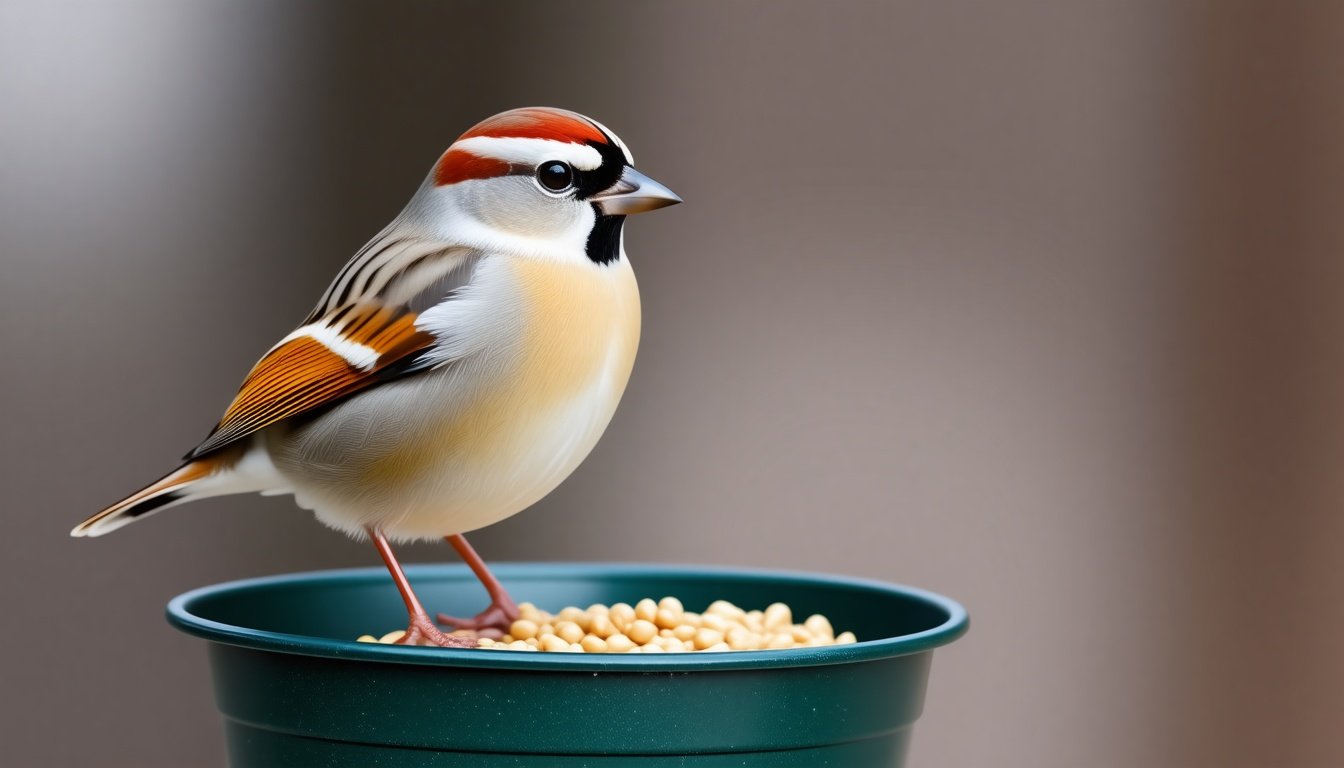
Winter is that season when the world seems to hold its breath. The trees stand bare, the grass hides beneath a frosty blanket, and the daylight feels like a borrowed gift. For birds, especially the humble sparrow, winter can be one long, tough day after another. Watching these tiny warriors struggle through biting cold and scarce food feels like watching a favorite character in a story walk through a storm. And so, I decided to step in with my little offering of bird food magic to help sparrows survive the chill. What I learned along the way? Well, let me tell you—it is part science, part art, and a whole lot of heart.
Why Feed Sparrows in Winter?
Okay, first things first. Why even bother feeding sparrows in winter? I mean, birds have been around since forever, right? They are supposed to be tough cookies. But here is the thing: city life and climate shifts have made their natural food sources pretty scarce. For sparrows, who are small and burn through energy like a tiny furnace, winter poses a massive challenge.
Feeding sparrows is not just about stuffing bird feeders. It is about giving them a fighting chance when the world outside turns cold and quiet. Have you ever seen a sparrow puff up its feathers to stay warm? It looks like a fluffy ball of determination, and that sight alone is enough to warm your human heart.
The Sparrows’ Winter Struggle
Sparrows do not migrate. They stick around, braving winds that cut like tiny knives and snow that piles up like giant piles of whipped cream (if whipped cream were cold and mean). Their natural diet—mostly seeds and insects—dries up when the earth freezes. Bugs vanish beneath the snow, and seeds get buried or eaten by other wild creatures.
This means sparrows need help, especially in the coldest months. Feeding them is like offering a warm hug, but one made of sunflower seeds and cracked corn.
What I Offer to Help Sparrows Survive
So, what exactly goes into my sparrow care package? I do not just toss random food in a tray and hope for the best. There is a sort of rhythm and a bit of a secret recipe to it. It took me some trial, error, and a few “What the heck is this bird doing?” moments to figure it out. Ready to know my winter sparrow-saving formula?
1. The Right Seeds
Sparrows love sunflower seeds. Not in the shell, but the naked little hearts inside. They are packed with fat, which keeps birds warm and energized. I buy sunflower seeds at a local store—not fancy, just plain black oil sunflower seeds. Here is a little tip: avoid milo and sorghum seeds. Sparrows are picky and will turn their beaks up at those.
2. Cracked Corn for the Win
Yes, corn. Cracked corn works like bird candy for sparrows. It is full of carbs, which is like instant fuel for their tiny bodies. I scatter cracked corn on the ground to attract them and let them forage naturally, just like they would in the wild.
3. Fresh Water Is a Game Changer
Water often gets forgotten in winter bird feeding, but it is a lifesaver. Frozen water means frozen birds, too. So, I bring out a heated birdbath. It may sound fancy, but it is just a simple plug-in device that keeps the water from freezing. Watching sparrows take little sips and even bathe on chilly days feels like a small miracle.
4. Fat Balls and Suet Cakes
Fat balls (or suet cakes) are like the winter dessert for sparrows. They are loaded with animal fat and seeds. I hang a few around the garden, and sparrows flock to them like kids to a candy store. Sometimes I get covered in accidental bird droppings, but hey, that is part of the deal.
Setting Up My Sparrow-Friendly Feeding Spot
Feeding sparrows is more than stuffing their bellies; it is about creating a safe zone, a little oasis in the big, cold world. I have learned a few things about their comfort and safety.
1. Location, Location, Location
Pick a quiet corner of your yard or balcony. Sparrows are social but also shy. They like places where they can quickly hide if a cat or hawk comes prowling. I keep feeders near bushes or trees so sparrows can hop away rapidly if danger lurks.
2. Keep It Clean
Bird feeders can get nasty fast. Moldy seeds are like poison for sparrows. I clean my feeders regularly. Yes, even in winter. A weekly rinse with warm water and a quick scrub keeps the germs at bay. It feels like I am giving sparrows a health spa treatment.
3. Feed Often, Feed Well
Winter food supplies are limited, so I fill their feeders every two days. This way, there is always something fresh and inviting. I learned that if you let the food run out, sparrows will search elsewhere and might not return.
Seasonal Bird Feeding Guides: A Brief Look
Since this blog focuses on seasonal feeding, I thought I would share a little extra love for other bird species during winter and other seasons. Each bird has its quirks and favorites, so knowing what to offer can make a big difference.
Winter Feeding Tips for Different Birds
- Chickadees: These curious cuties adore sunflower seeds and peanut pieces. Try hanging suet feeders high up where squirrels cannot steal all the goodies.
- Cardinals: These bright red gems love safflower seeds and cracked corn. They prefer feeders close to thick shrubs for quick cover.
- Woodpeckers: Suet cakes are their favorite winter snack. Sometimes I place them on tree trunks to mimic their natural feeding spots.
Spring and Summer Feeding
When the snow melts and flowers bloom, nature offers a buffet, but extra treats never hurt. In spring, insects become abundant, but offering mealworms attracts insectivores like bluebirds. Summer is great for fruit-loving birds, so slices of orange or berries can delight orioles and tanagers.
Fall Feasting
Fall is a critical time because birds bulk up for migration or winter survival. Offering a mix of seeds that include sunflower, millet, and cracked corn helps birds build fat reserves. Also, planting native berry bushes supports natural food sources.
Watching the Sparrow Stories Unfold
There is something quietly magical about watching sparrows gather at feeders on a cold day. Their tiny feet perched on edges, their quick pecks at seeds, their constant chatter—it feels like a secret conversation you are lucky enough to overhear. Sometimes, a brave sparrow will hop right up to my window and look in with those bright eyes like it is saying, “Thanks for the snack.”
I like to think that in some small way, my simple offering of seeds and water helps these little birds hold on through tough times. And maybe, just maybe, it reminds me of resilience—the kind we all need when winter feels endless.
Your Turn: Give Sparrows a Hand
If you have a yard, balcony, or even a windowsill, why not try your hand at feeding sparrows this winter? It is easier than you think. You do not need fancy gadgets or expensive seed blends. A little kindness, some sunflower seeds, and fresh water can turn your space into a tiny sanctuary.
And who knows? You might find yourself looking forward to that frosty daily visitor, the sparrow who shows up like clockwork, reminding you that even in the coldest months, life finds a way. It is a small, beautiful act—feeding sparrows—that connects us to the wild and to hope.
So go on. Open your heart. Open your feeder. Watch the magic unfold one tiny seed at a time.